


How Artificial Intelligence Is Transforming the Air Transportation
Artificial Intelligence (AI) is rapidly reshaping the global air transportation industry. From flight operations and air traffic management to cargo logistics and customer service, AI is helping airlines and logistics companies improve efficiency, reduce costs, and enhance safety. As technology continues to evolve, AI is becoming a key driver of innovation across the aviation sector.
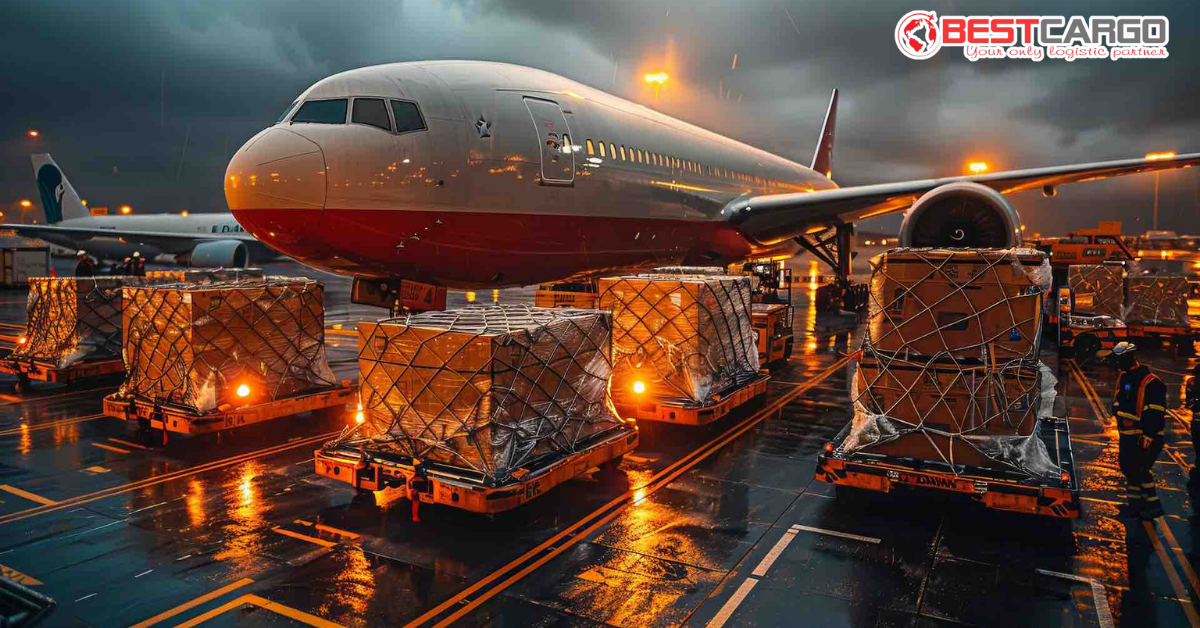
What Is AI in Air Transportation?
AI in air transportation refers to the use of advanced technologies such as machine learning, predictive analytics, computer vision, and automation systems to optimize aviation operations. These technologies enable airlines and logistics providers to process large amounts of data, make smarter decisions, and improve overall performance.
Today, AI is being used in both passenger and cargo transportation. It supports everything from route planning and maintenance scheduling to cargo tracking and customer support.
Improving Flight Operations and Efficiency
One of the most significant benefits of AI is its ability to improve operational efficiency. Airlines can analyze weather conditions, fuel consumption, and flight routes in real time to optimize flight planning.
AI-powered systems help airlines:
- Reduce flight delays.
- Improve route optimization.
- Lower fuel consumption.
- Increase operational efficiency.
- Minimize unnecessary costs.
By making data-driven decisions, airlines can improve performance while maintaining high service standards.
Enhancing Air Traffic Management
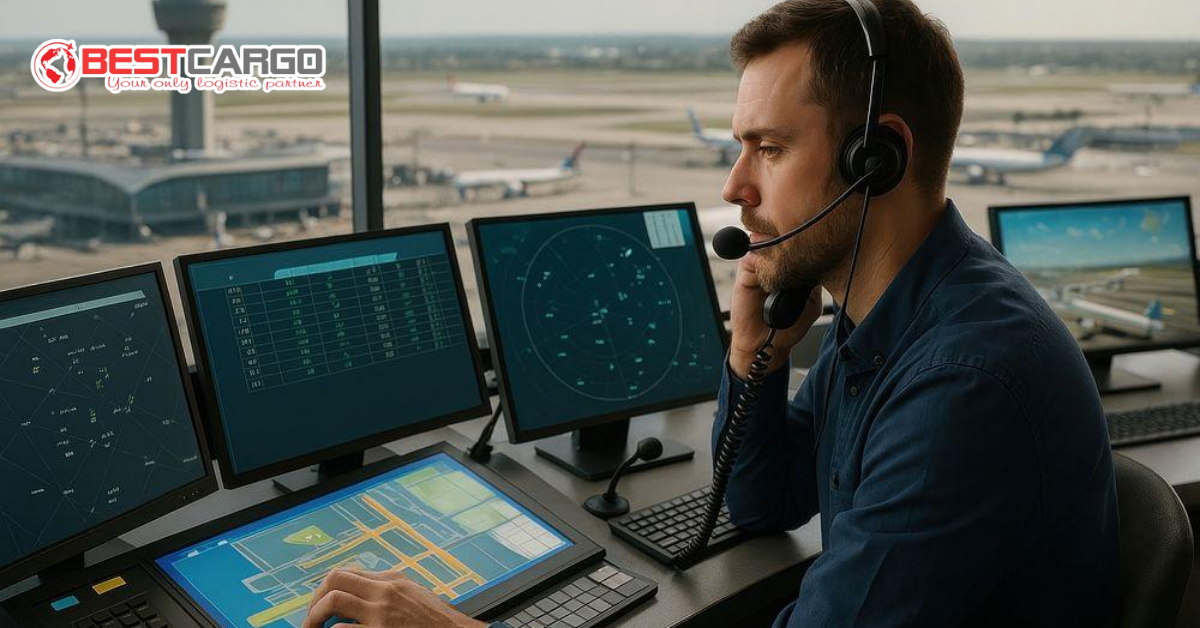
Air traffic management is becoming increasingly complex as global air travel continues to grow. AI helps air traffic controllers manage aircraft movements more effectively and safely.
Advanced AI systems can analyze traffic patterns, predict congestion, and recommend optimal flight paths. This reduces delays, improves airspace utilization, and enhances overall flight safety.
As airports become busier, AI is expected to play an even greater role in managing air traffic efficiently.
Predictive Maintenance for Aircraft
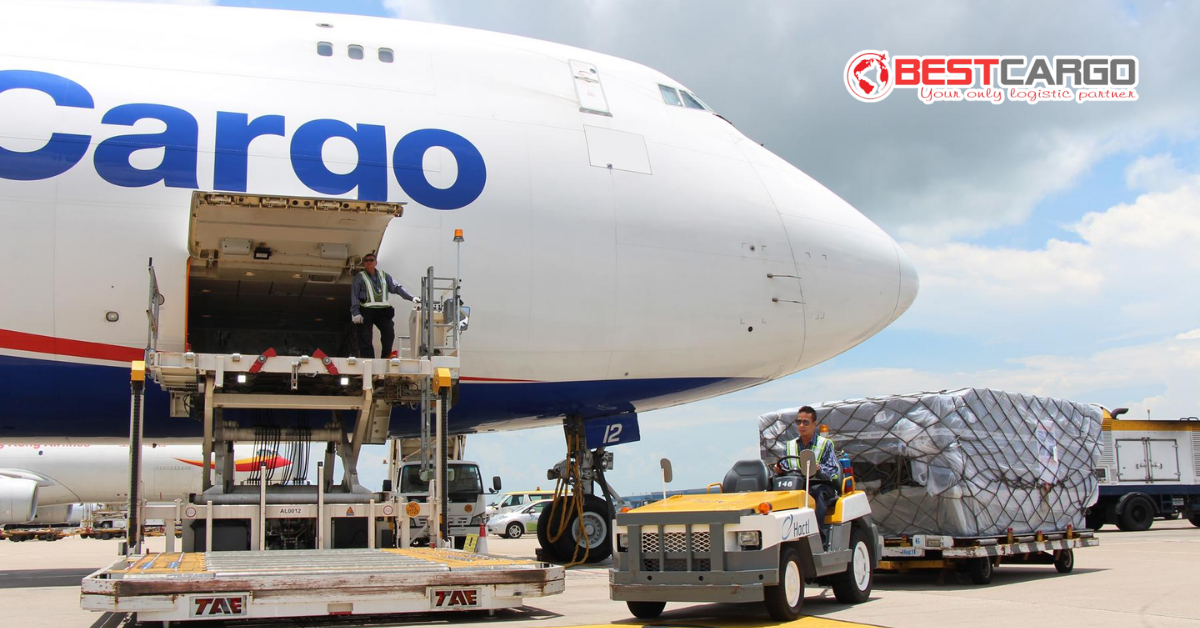
Aircraft maintenance is critical for ensuring safety and reliability. Traditional maintenance schedules often rely on fixed inspection intervals. AI introduces a more proactive approach through predictive maintenance.
By analyzing data collected from aircraft sensors, AI can identify potential issues before they become serious problems. This allows maintenance teams to take preventive action and reduce unexpected equipment failures.
The benefits include:
- Improved aircraft safety.
- Reduced maintenance costs.
- Less operational downtime.
- Increased fleet reliability.
Predictive maintenance is becoming one of the most valuable applications of AI in aviation.
Transforming Air Cargo and Logistics
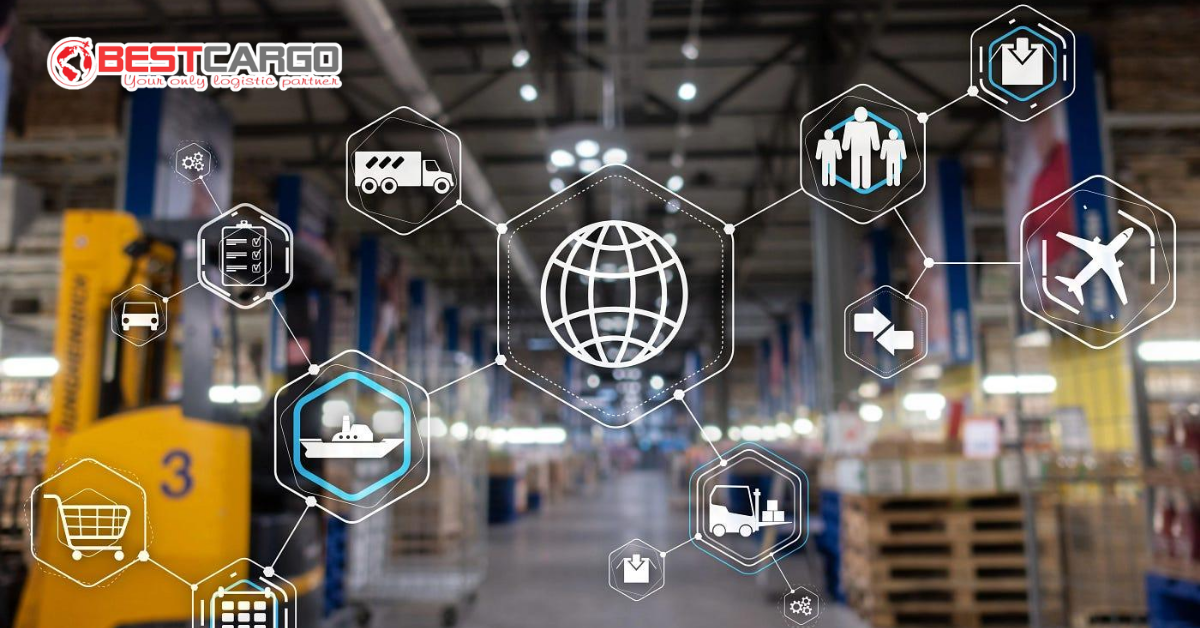
AI is also revolutionizing air cargo operations. Logistics companies are using AI to improve cargo management, warehouse operations, and shipment tracking.
AI systems can predict demand, optimize cargo space, and identify the most efficient transportation routes. Real-time tracking technologies also provide greater visibility throughout the shipping process.
These improvements help businesses:
- Deliver goods faster.
- Reduce transportation costs.
- Improve supply chain efficiency.
- Enhance customer satisfaction.
As global trade continues to expand, AI-driven logistics solutions will become increasingly important.
Improving Customer Experience
Customer expectations continue to rise in the aviation industry. AI helps airlines deliver faster and more personalized services.
Many airlines now use AI-powered chatbots and virtual assistants to handle customer inquiries. These tools provide instant support for flight bookings, schedule changes, baggage information, and travel updates.
AI also helps airlines analyze customer preferences and offer personalized recommendations, improving the overall travel experience.
Supporting Sustainability Goals
The aviation industry faces increasing pressure to reduce carbon emissions and support environmental sustainability. AI can contribute to these goals by optimizing flight routes, reducing fuel consumption, and improving resource management.
Smart planning systems help airlines operate more efficiently while lowering their environmental impact. AI can also support sustainable air cargo operations through better logistics planning and load optimization.
As sustainability becomes a priority, AI will play a key role in helping the industry achieve its environmental objectives.
Challenges of AI Adoption in Aviation
Despite its advantages, implementing AI in aviation comes with challenges. Developing and maintaining AI systems requires significant investment, advanced infrastructure, and skilled personnel.
Organizations must also address issues related to data security, privacy, and regulatory compliance. In addition, AI systems need continuous monitoring to ensure accuracy and reliability.
However, as technology matures and adoption increases, many of these challenges are expected to become more manageable.
The Future of AI in Air Transportation
The future of AI in aviation looks highly promising. Airlines, airports, and logistics providers are expected to increase investments in intelligent technologies over the coming years.
Future developments may include:
- Fully automated airport operations.
- Advanced predictive maintenance systems.
- Smarter air traffic management.
- Autonomous cargo handling solutions.
- More personalized passenger services.
These innovations will help create a safer, more efficient, and more sustainable aviation ecosystem.
Conclusion
Artificial Intelligence is transforming the air transportation industry in many ways. From improving flight operations and predictive maintenance to enhancing air cargo logistics and customer experience, AI is driving significant change across the aviation sector.
As technology continues to evolve, AI will become even more important for airlines and logistics companies seeking greater efficiency, safety, and sustainability. Organizations that embrace AI today will be better positioned to compete and succeed in the future of aviation.
Frequently Asked Questions
1. What is AI in air transportation?
AI in air transportation refers to the use of artificial intelligence technologies to improve aviation operations, safety, efficiency, and customer service.
2. How does AI improve airline operations?
AI helps airlines optimize flight routes, reduce fuel consumption, predict maintenance needs, and improve operational efficiency.
3. Can AI enhance air cargo management?
Yes. AI can optimize cargo space, improve shipment tracking, forecast demand, and streamline logistics processes.
4. How does AI support aviation safety?
AI analyzes large amounts of operational data to detect potential risks, predict equipment failures, and support safer decision-making.
5. What are the benefits of predictive maintenance in aviation?
Predictive maintenance helps identify potential issues before they occur. This reduces downtime, maintenance costs, and unexpected failures.
Read more:
Air Cargo Booking for Lanterns from Vietnam to France
Booking tải hàng không từ Bình Thạnh đi Mỹ
