



Safety Standards for Heavy Freight Transportation
Heavy freight transportation is a vital part of the global supply chain. Industries such as construction, manufacturing, mining, and energy rely on the safe movement of oversized and heavy cargo every day. However, transporting large loads also comes with greater risks. Poor loading practices, vehicle failures, and inadequate driver training can lead to accidents, cargo damage, and costly delays. Following proper safety standards helps businesses minimize these risks while ensuring efficient deliveries.
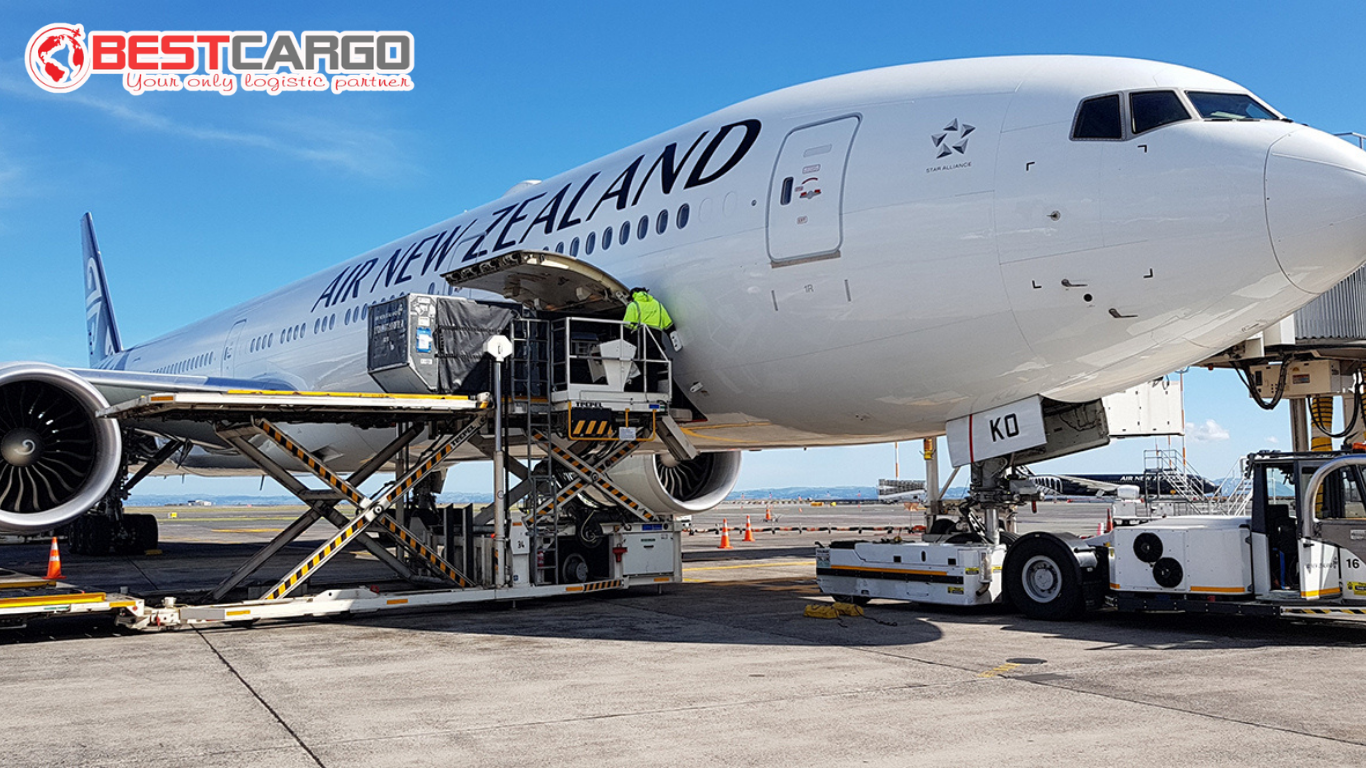
Why Safety Standards Matter
Safety standards are designed to protect drivers, cargo, and other road users. They provide clear guidelines for every stage of transportation, from loading and securing cargo to vehicle inspections and route planning.
Companies that follow these standards benefit in several ways. They reduce the likelihood of accidents, lower maintenance costs, improve delivery reliability, and comply with transportation regulations. Strong safety practices also help build customer trust and protect a company’s reputation.
Proper Cargo Loading and Securement
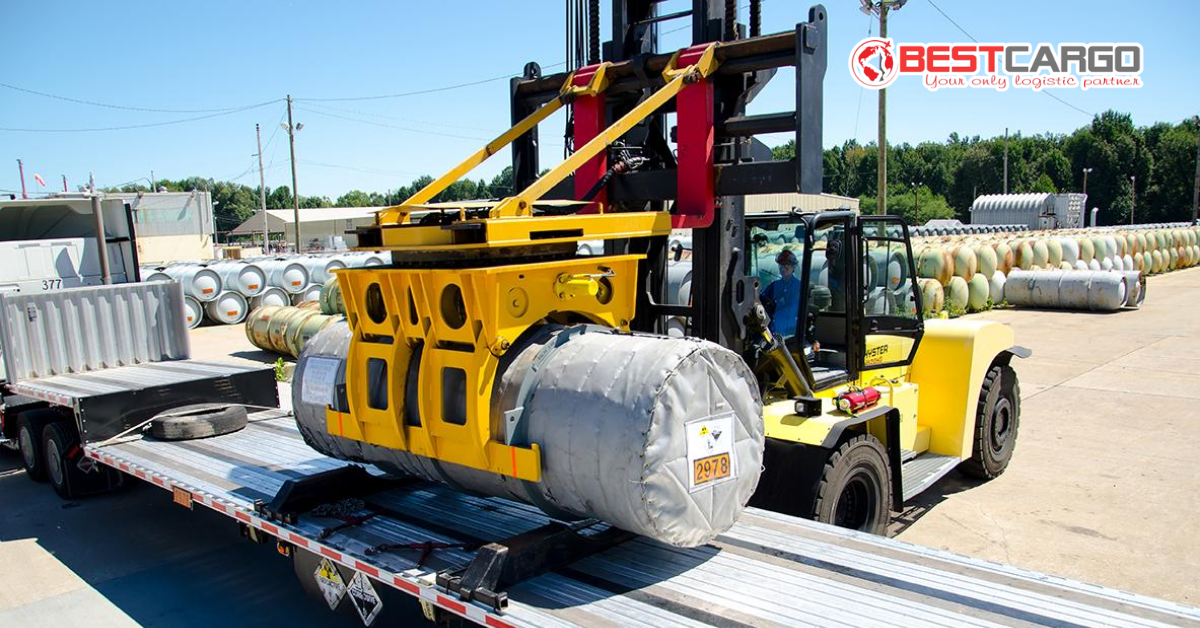
Safe transportation begins with proper cargo loading. Heavy freight must be evenly distributed across the vehicle to maintain balance and improve stability during transit. Uneven loads increase the risk of rollovers, especially when driving on curves or uneven roads.
Cargo should also be secured using certified chains, straps, binders, or locking devices. These tools prevent movement while the vehicle is in motion. Before every trip, drivers should inspect all securing equipment to ensure it is in good condition. For long-distance transportation, additional inspections should be carried out during scheduled stops.
Overloading should always be avoided. Exceeding the vehicle’s weight capacity places extra stress on the brakes, tires, and suspension system. It also increases fuel consumption and may result in legal penalties.
Regular Vehicle Inspections

Routine vehicle inspections are essential for preventing mechanical failures. Before each trip, drivers should check critical components such as the braking system, tires, steering, lights, suspension, and trailer connections.
Regular preventive maintenance also helps identify worn parts before they become serious safety hazards. Keeping vehicles in good condition not only improves safety but also reduces unexpected breakdowns and costly repairs.
Driver Training and Safety
Professional drivers are one of the most important factors in transportation safety. Even with advanced equipment, unsafe driving practices can lead to accidents.
Companies should provide regular training on defensive driving, load securement, emergency response, and fatigue management. Drivers should also understand how weather conditions, road gradients, and sharp turns affect heavy vehicles. Well-trained drivers are better prepared to respond to unexpected situations and protect valuable cargo.
Comply with Transportation Regulations
Heavy freight transportation is subject to strict regulations in many countries. These rules cover vehicle weight limits, oversized load permits, driver working hours, warning signs, and approved transportation routes.
Following these regulations helps companies avoid fines and operational delays. More importantly, compliance improves road safety and protects public infrastructure.
Businesses operating internationally should also stay informed about regional transportation requirements, as regulations may differ between countries.
Technology Improves Transportation Safety
Technology has become an important part of modern freight transportation. GPS fleet tracking allows companies to monitor vehicle locations in real time. Electronic logging devices help ensure compliance with driver working-hour regulations. Tire pressure monitoring systems reduce the risk of tire failures, while AI-powered route planning helps drivers avoid traffic congestion and hazardous roads.
These technologies improve visibility throughout the transportation process and enable faster responses to unexpected situations.
Best Practices for Safe Heavy Freight Transportation
Companies can improve transportation safety by following a few simple practices. Vehicles should be inspected before every trip, and cargo should always be secured using certified equipment. Drivers need regular safety training and should carefully monitor weather and road conditions before departure. Preventive vehicle maintenance and proper route planning also reduce operational risks and improve delivery performance.
Frequently Asked Questions
1. What is heavy freight transportation?
It refers to transporting oversized or overweight cargo using specialized vehicles and equipment.
2. Why is cargo securement important?
Proper cargo securement prevents shifting loads, reducing the risk of accidents and cargo damage.
3. How often should heavy trucks be inspected?
Heavy trucks should be inspected before every trip and maintained regularly according to safety guidelines.
4. What technologies improve transportation safety?
GPS tracking, electronic logging devices, tire pressure monitoring systems, and AI-based route planning all improve transportation safety.
Conclusion
Safety should always be the top priority in heavy freight transportation. Proper cargo loading, regular vehicle inspections, skilled drivers, regulatory compliance, and modern technology all contribute to safer operations. By following industry safety standards, logistics companies can reduce risks, protect valuable cargo, and deliver shipments more efficiently. Investing in safety is not only a legal responsibility but also a smart business strategy for long-term success.
Read more:
Vietnam Strengthens International Logistics Connections
A basic process to exporting for beginners
