



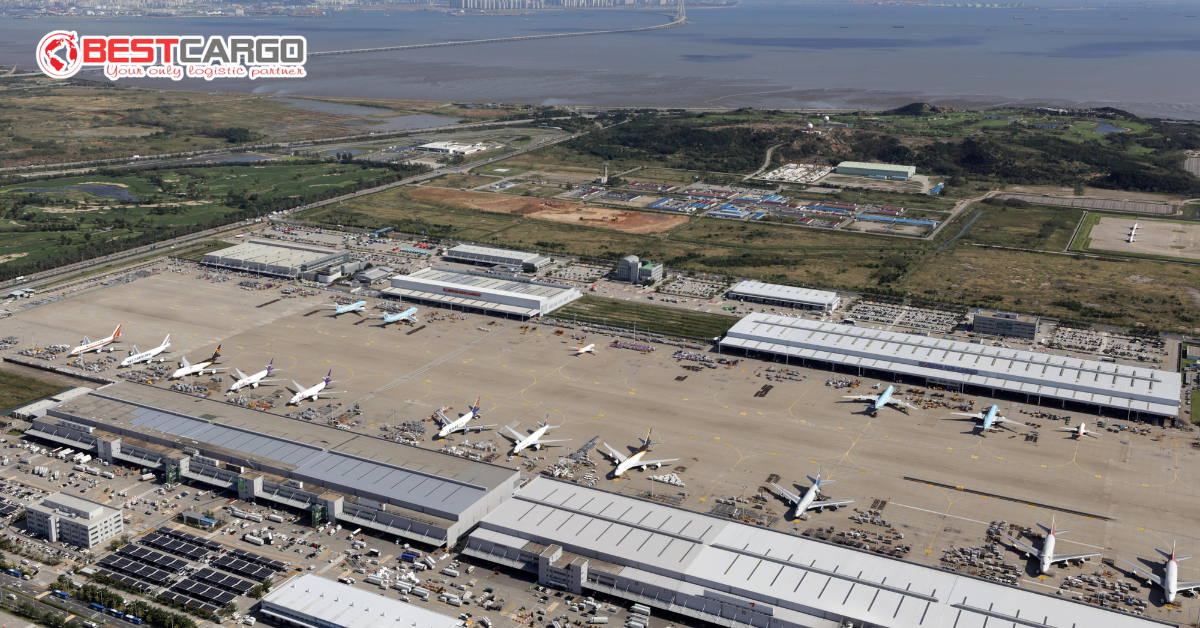
The World’s Fastest-Growing Air Cargo Hubs
As global trade continues to expand and e-commerce drives demand for faster deliveries, air cargo hubs are becoming increasingly important to international supply chains. Modern cargo airports are investing heavily in infrastructure, automation, and digital technologies to handle growing shipment volumes more efficiently.
Several airports around the world have emerged as key logistics centers, supporting international trade with extensive cargo networks, advanced facilities, and strategic geographic locations.
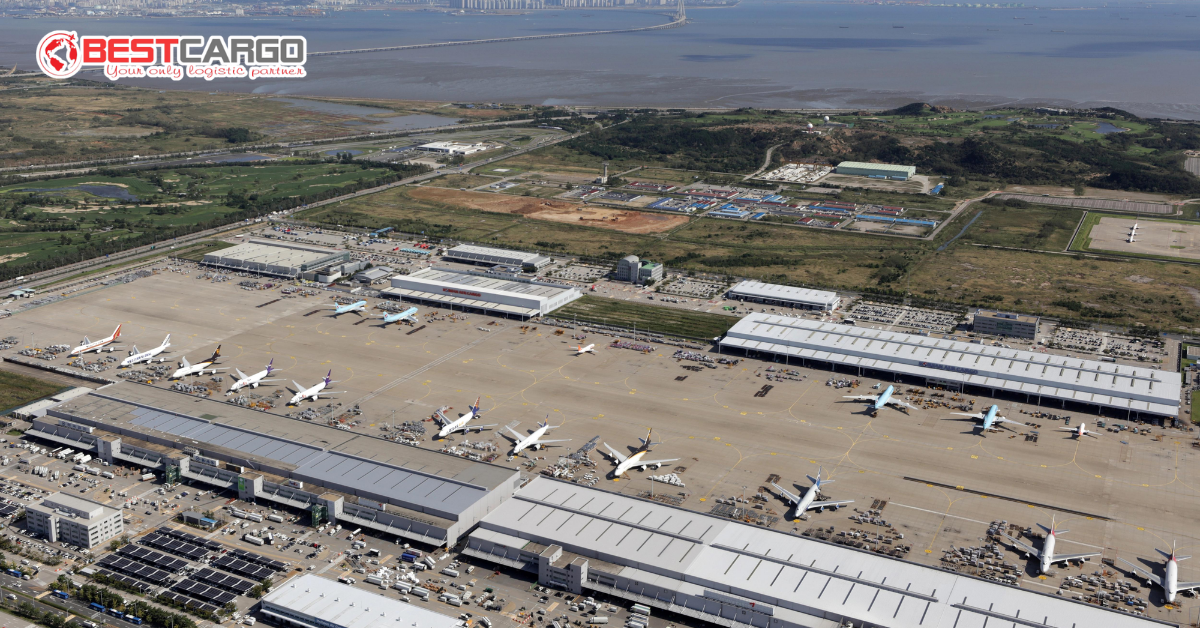
What Is an Air Cargo Hub?
An air cargo hub is a major airport that serves as a central point for receiving, sorting, and distributing freight to domestic and international destinations. These hubs connect airlines, freight forwarders, customs authorities, and logistics providers, allowing cargo to move quickly between global markets.
As supply chains become more complex, the role of air cargo hubs continues to grow.
Why Air Cargo Hubs Matter
Modern air cargo hubs help businesses:
- Reduce international shipping times.
- Improve supply chain efficiency.
- Expand access to global markets.
- Support cross-border e-commerce.
- Enhance cargo tracking and handling.
For exporters and importers, choosing a well-connected cargo hub can significantly improve delivery performance.
The World’s Fastest-Growing Air Cargo Hubs
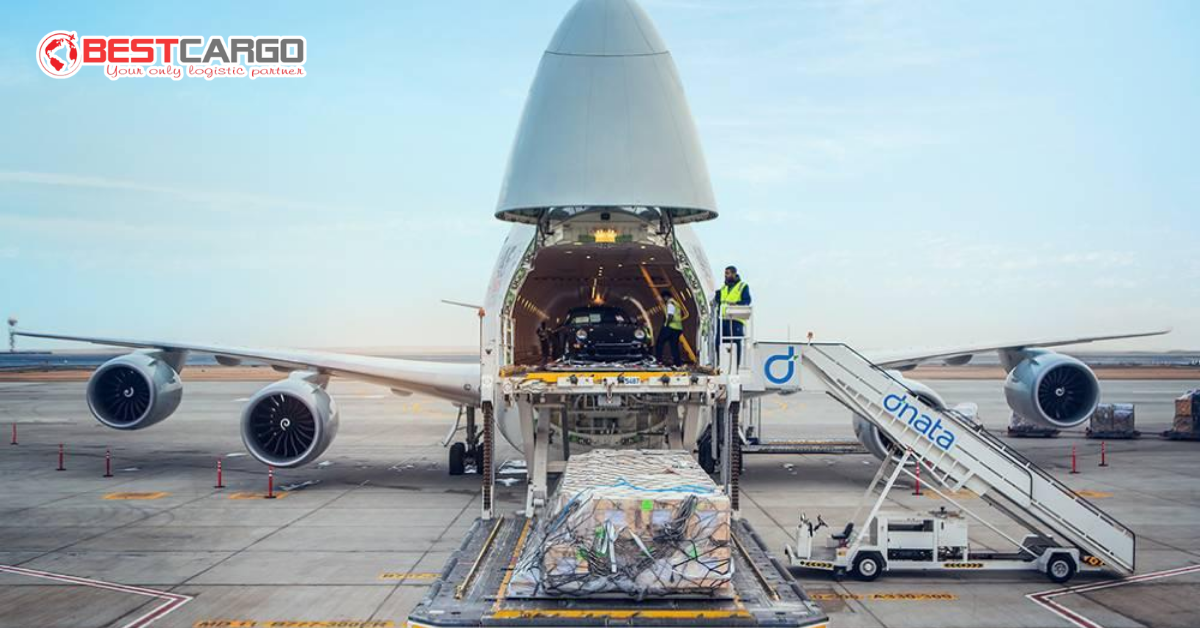
Hong Kong International Airport (Hong Kong)
Hong Kong remains one of the world’s busiest air cargo airports thanks to its strategic location, extensive international flight network, and advanced cargo handling facilities. It continues to play a vital role in connecting Asia with North America and Europe.
Shanghai Pudong International Airport (China)
Shanghai Pudong has experienced significant cargo growth, driven by China’s manufacturing sector and expanding international trade. The airport serves as a major gateway for electronics, pharmaceuticals, and e-commerce shipments.
Singapore Changi Airport (Singapore)
Singapore’s strategic position in Southeast Asia has made Changi one of the region’s leading logistics hubs. Continuous investment in automation and digital technologies has strengthened its role in global air freight.
Incheon International Airport (South Korea)
Incheon has become an important cargo gateway connecting Northeast Asia with major international markets. The airport is recognized for its efficient customs procedures and advanced logistics infrastructure.
Dubai International Airport (United Arab Emirates)
Located between Asia, Europe, and Africa, Dubai serves as a global logistics bridge. Its extensive airline network and modern cargo facilities have supported rapid growth in international freight operations.
Key Factors Driving Growth
Several trends are contributing to the rapid expansion of these cargo hubs:
- Growth of global e-commerce.
- Increasing demand for express delivery.
- Investment in airport infrastructure.
- Digital transformation in logistics.
- Expansion of international trade agreements.
These factors continue to increase demand for faster and more reliable air freight services.
Technology Is Reshaping Cargo Hubs
Leading airports are adopting advanced technologies to improve operational efficiency, including:
- Artificial Intelligence (AI).
- Automated cargo handling systems.
- Internet of Things (IoT) sensors.
- Digital customs documentation.
- Real-time shipment tracking.
These innovations help reduce processing times while improving shipment visibility and security.
What This Means for Businesses
As air cargo hubs continue to expand, businesses can benefit from:
- Faster international deliveries.
- Improved shipment reliability.
- Better global connectivity.
- Enhanced supply chain flexibility.
- Reduced transit times.
Selecting logistics providers with strong global air cargo networks can help companies remain competitive in international markets.
The Future of Global Air Cargo Hubs
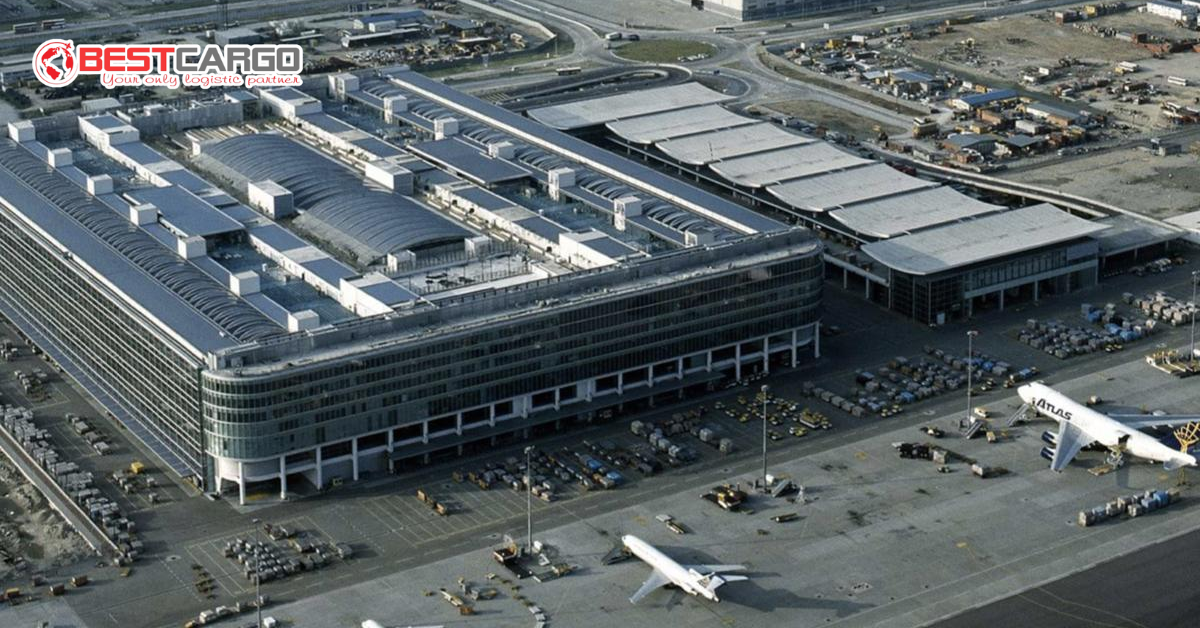
Industry experts expect air cargo hubs to continue evolving through greater automation, sustainability initiatives, and digital integration. Future developments may include AI-powered operations, smart warehouses, autonomous cargo handling, and greener airport infrastructure.
As international trade grows, these logistics hubs will remain essential to the movement of goods around the world.
Conclusion
The world’s fastest-growing air cargo hubs are transforming global logistics through investment in technology, infrastructure, and operational efficiency. Airports such as Hong Kong, Shanghai, Singapore, Incheon, and Dubai continue to strengthen their positions as key gateways for international trade.
For businesses engaged in global shipping, understanding the role of these cargo hubs can help improve supply chain planning, reduce delivery times, and support long-term growth.
Frequently Asked Questions
1. What is an air cargo hub?
An air cargo hub is a major airport where freight is collected, sorted, and distributed to domestic and international destinations.
2. Which airport handles the most air cargo?
Hong Kong International Airport has consistently ranked among the world’s leading air cargo airports due to its extensive global network and cargo capacity.
3. Why are air cargo hubs important?
They improve shipment efficiency, reduce transit times, and connect businesses to international markets.
4. What technologies are used in modern air cargo hubs?
Many airports use AI, automation, IoT, digital documentation, and real-time tracking to streamline cargo operations.
5. How do air cargo hubs benefit international businesses?
They provide faster shipping, better connectivity, improved reliability, and more efficient supply chain management.
Read more:
Understanding IATA Regulations for Air Freight
A basic process to exporting for beginners
