



Shipping Vietnamese Dried Shrimp to Japan by Air Freight
Shipping Vietnamese Dried Shrimp to Japan is an increasingly attractive opportunity for seafood exporters as demand for authentic Vietnamese ingredients continues to grow. Dried shrimp is widely used in Japanese cuisine, Asian restaurants, food manufacturers, and specialty grocery stores due to its rich flavor, long shelf life, and versatility.
For premium seafood products, air freight offers a fast, reliable, and secure transportation solution that helps preserve product quality and ensures timely delivery to customers across Japan.
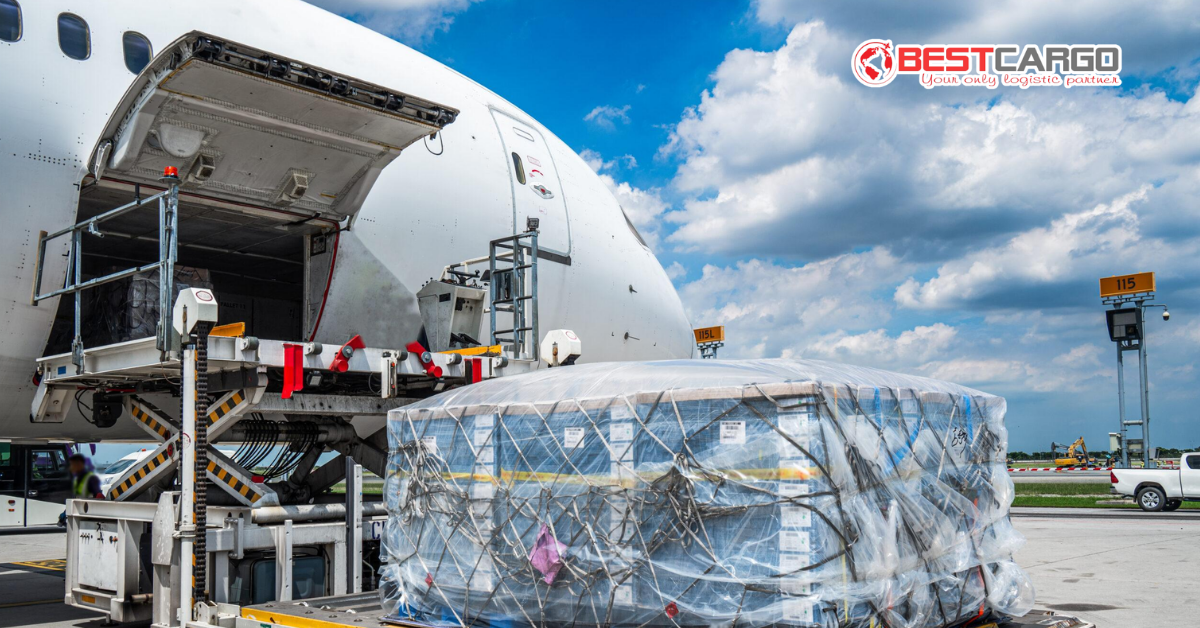
Why Choose Air Freight?
Although dried shrimp has a relatively long shelf life, rapid transportation helps maintain product freshness and supports efficient inventory management.
Key benefits of air freight include:
- Fast international delivery.
- Shorter transit time.
- Reduced storage and handling.
- Reliable flight schedules.
- Real-time shipment tracking.
- Ideal for urgent orders and premium seafood products.
Air freight is particularly suitable for exporters supplying wholesalers, retailers, and restaurants that require consistent product quality.
Popular Dried Shrimp Products for Export
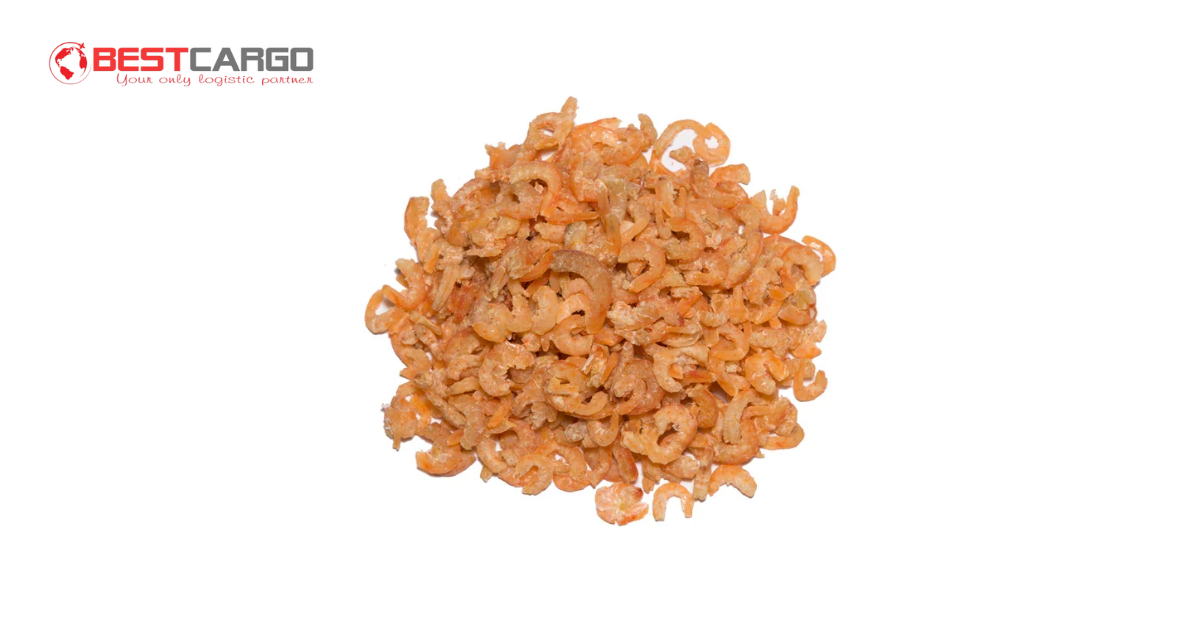
Vietnam exports various dried shrimp products that meet different market demands.
Common export products include:
- Premium whole dried shrimp.
- Small dried shrimp.
- Peeled dried shrimp.
- Sun-dried shrimp.
- Organic dried shrimp.
- Vacuum-packed dried shrimp.
- Retail-ready dried shrimp packages.
- Premium seafood gift boxes.
- Dried shrimp for food processing.
- Bulk dried shrimp for commercial buyers.
These products are supplied to supermarkets, seafood distributors, restaurants, and food manufacturers throughout Japan.
Packaging Guidelines
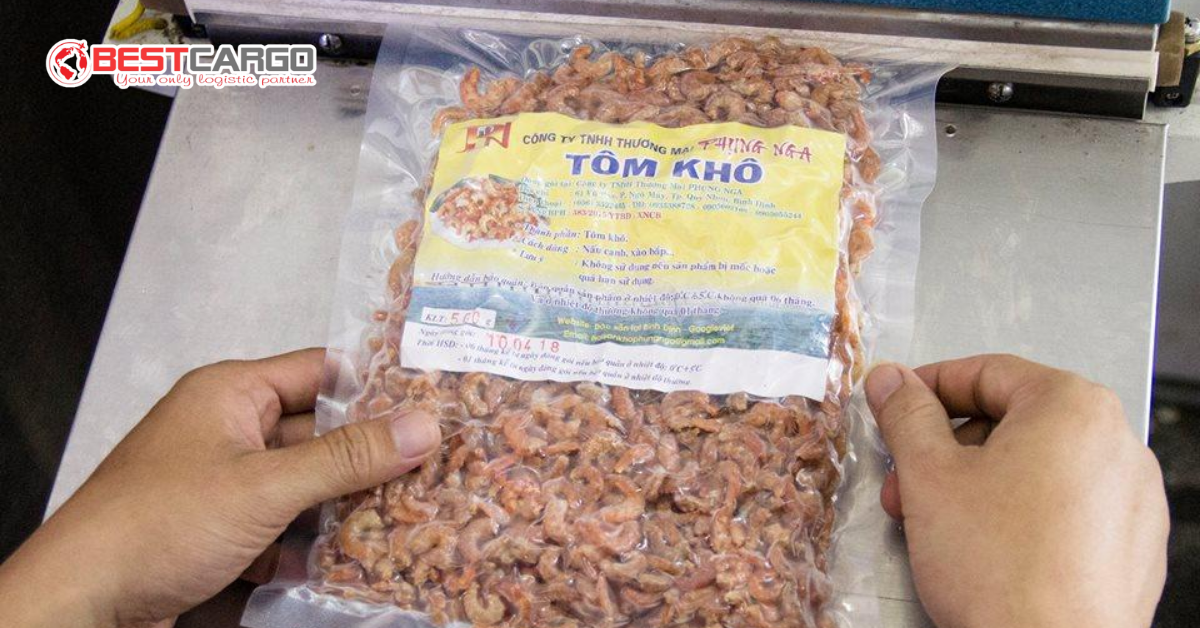
Proper packaging is essential to protect seafood products during international transportation.
Recommended packaging practices include:
- Use food-grade moisture-resistant packaging.
- Vacuum-seal products to preserve freshness.
- Pack retail units in durable corrugated cartons.
- Fill empty spaces with protective cushioning.
- Clearly label cartons with handling information.
- Maintain clean and hygienic packaging conditions.
Professional packaging minimizes the risk of contamination and physical damage during shipping.
Required Export Documentation
Preparing complete export documentation helps ensure smooth customs clearance.
Typical documents include:
- Commercial Invoice.
- Packing List.
- Air Waybill (AWB).
- Export Customs Declaration.
- Certificate of Origin (if applicable).
- Health Certificate or food safety documentation as required.
- Additional import documents requested by Japanese authorities.
Exporters should always verify Japan’s latest seafood import regulations before shipment.
Important Considerations for Shipping to Japan
Japan maintains strict standards for imported seafood products.
Exporters should pay attention to:
- Compliance with Japanese food safety regulations.
- Accurate ingredient and product labeling.
- Proper expiration date labeling.
- Hygienic packaging.
- Complete customs documentation.
- Working with experienced air freight providers.
Meeting these requirements helps reduce customs delays and improves buyer confidence.
How to Reduce Shipping Costs
Businesses can improve shipping efficiency while controlling transportation expenses.
Helpful strategies include:
- Consolidate multiple customer orders.
- Optimize carton dimensions.
- Use lightweight but durable packaging.
- Schedule shipments in advance.
- Partner with experienced logistics providers.
These practices help reduce shipping costs while maintaining product quality.
Why Choose a Professional Logistics Partner?
An experienced logistics company provides comprehensive export support.
Typical services include:
- Air freight consultation.
- Export packaging guidance.
- Customs documentation assistance.
- Cargo tracking.
- Door-to-door delivery.
- International logistics planning.
Professional logistics support enables exporters to focus on expanding their business while ensuring reliable delivery.
Frequently Asked Questions
1. Can dried shrimp be shipped by air?
Yes. Air freight is an excellent option for premium dried shrimp, urgent commercial orders, and product samples.
2. How long does shipping to Japan take?
Most air freight shipments arrive within 1–3 business days, depending on flight schedules and customs clearance.
3. How should dried shrimp be packaged?
Products should be vacuum-sealed in food-grade packaging and packed inside strong export cartons to maintain freshness and prevent damage.
4. What export documents are required?
Exporters typically need a Commercial Invoice, Packing List, Air Waybill, Export Customs Declaration, Certificate of Origin (if applicable), and food safety documentation required by Japanese authorities.
5. Is air freight suitable for small export shipments?
Yes. Air freight is ideal for small commercial orders, retail replenishment, promotional shipments, and product samples.
Conclusion
Shipping Vietnamese Dried Shrimp to Japan by air freight provides exporters with a fast, secure, and efficient logistics solution for one of Asia’s most demanding seafood markets. With proper packaging, complete export documentation, and support from a professional logistics partner, businesses can protect product quality, achieve faster delivery, and strengthen their competitiveness in the Japanese market.
Read more:
Shipping Organic Rice Crackers to Singapore by Air Freight
Gửi bột thạch sương sáo từ Hà Nội sang Mỹ
