


Global Trade Routes in 2026: How Shipping Networks Are Changing
Global trade routes in 2026 are changing rapidly. Geopolitical tensions, security concerns, port congestion, and supply chain diversification are affecting international shipping. These changes are forcing carriers and businesses to rethink traditional transportation routes.
For importers and exporters, changes in shipping networks can affect delivery times and logistics costs. Businesses therefore need to monitor global trade developments and prepare flexible transportation plans.
Why Are Global Shipping Routes Changing?
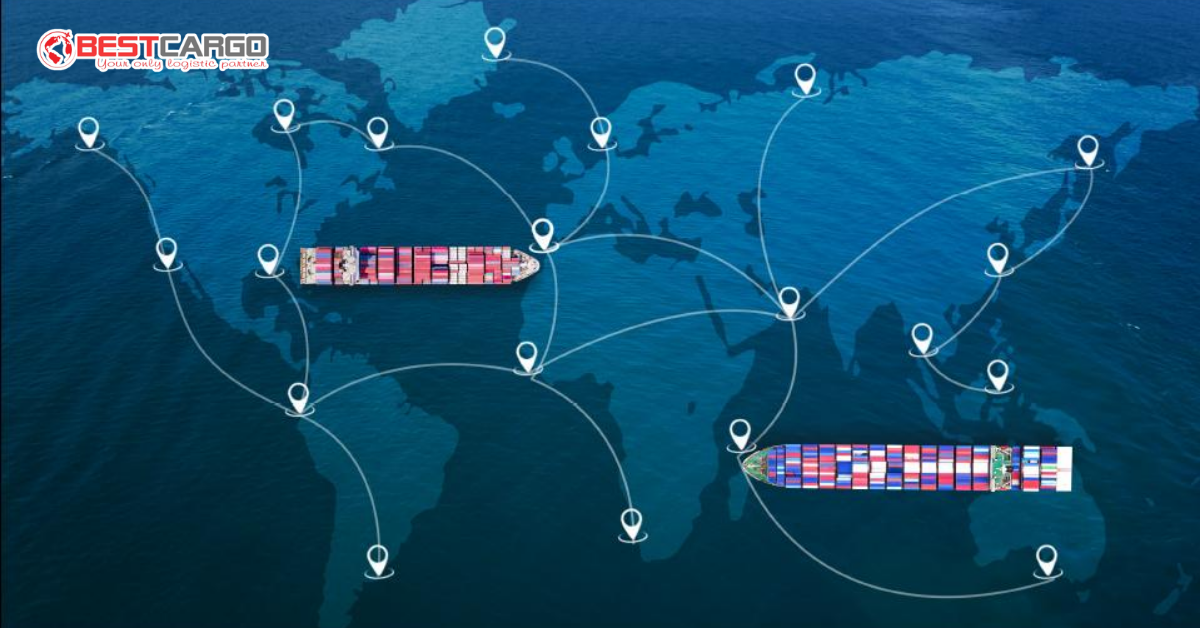
International shipping depends on stable and efficient trade routes. When a major route faces disruption, shipping companies may need to find alternatives. This can increase voyage distances and extend delivery times.
Several factors are contributing to these changes in 2026. Geopolitical tensions remain a major concern. Security risks can also influence vessel operations. At the same time, port congestion and changing production locations are creating new challenges for global logistics.
Geopolitical Tensions Affect International Shipping
Geopolitical developments can have a direct impact on maritime transportation. Shipping companies may avoid areas with higher security risks. They may also adjust sailing schedules to protect vessels and cargo.
When ships use alternative routes, voyages can become longer. Fuel consumption can increase as well. These additional costs can eventually affect freight rates and delivery schedules.
Businesses should therefore pay close attention to developments along major international trade corridors. Early preparation can help reduce the impact of unexpected route changes.
The Red Sea and Suez Canal
The Suez Canal remains one of the most important trade routes in the world. It connects Europe and Asia through the Mediterranean Sea and the Red Sea.
Disruptions around the Red Sea can create significant challenges for international shipping. When vessels avoid the area, they may choose a longer route around the Cape of Good Hope.
This alternative route can add considerable distance to a voyage. Transit times may increase as a result. Shipping companies may also need additional vessels to maintain regular schedules.
For businesses, these changes can affect inventory planning and delivery commitments.
The Cape of Good Hope Becomes More Important
The Cape of Good Hope provides an alternative maritime route between Asia and Europe. It is located at the southern tip of Africa.
The route is considerably longer than the Suez Canal route. However, it can become an important option when shipping conditions around the Red Sea become more difficult.
Longer voyages can increase fuel consumption and operating costs. They can also require more time to deliver goods. Businesses may therefore need to adjust their inventory and purchasing strategies.
The Panama Canal and Global Trade
The Panama Canal is another important part of global shipping networks. It connects the Atlantic and Pacific Oceans and supports trade between major markets.
However, canal operations can be affected by water availability. Restrictions on vessel transits can influence shipping schedules and route planning.
These challenges show that shipping networks can be affected by more than geopolitical events. Environmental conditions can also influence global transportation.
Supply Chain Diversification Is Creating New Trade Routes
Global companies are increasingly diversifying their supply chains. Many manufacturers are looking for additional production locations outside traditional manufacturing centers.
This trend is creating new cargo flows across Asia. Southeast Asia is one of the regions benefiting from this shift.
Vietnam, Thailand, Malaysia, and Indonesia are attracting investment in manufacturing and industrial production. As factories expand, demand for transportation and logistics services also increases.
This development could gradually change traditional trade routes in Asia.
Southeast Asia Plays a Bigger Role
Southeast Asia is becoming an increasingly important part of global supply chains. The region has a strong manufacturing base and a growing consumer market.
Vietnam is an important example. The country has strong export industries in electronics, furniture, textiles, and consumer goods.
Thailand and Malaysia also have developed manufacturing sectors. Indonesia offers a large domestic market and growing industrial capacity.
The growth of these markets is creating more regional cargo flows. It is also increasing demand for ports, airports, warehouses, and international freight services.
Air Freight Offers an Alternative
Changes in maritime shipping can create opportunities for air freight. Air transportation provides much faster delivery than ocean shipping.
Air freight is particularly suitable for high-value and time-sensitive products. Electronics, pharmaceuticals, perishable goods, and urgent spare parts are common examples.
E-commerce is also increasing demand for air cargo. Businesses need faster transportation to meet customer expectations.
However, air freight usually has higher costs than sea freight. Companies should therefore compare delivery requirements with transportation budgets before choosing a shipping method.
Multimodal Transportation Becomes More Important
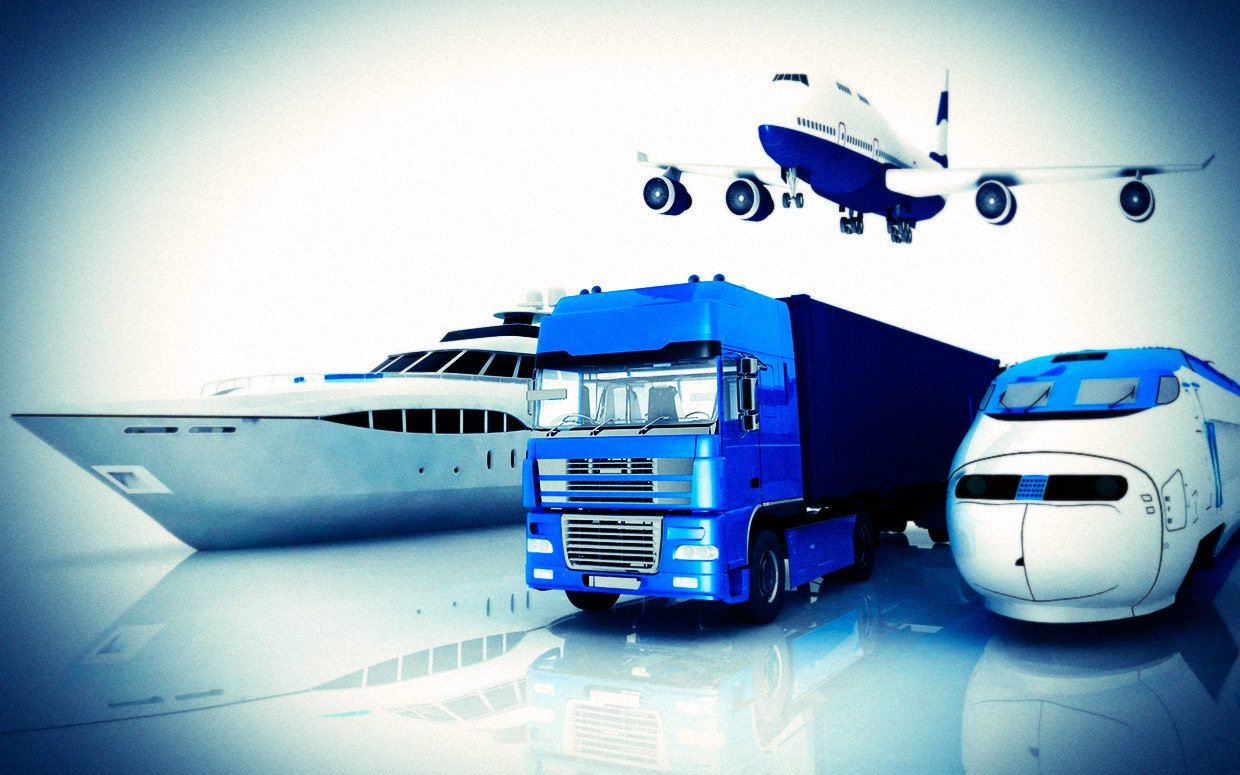
Businesses do not always need to rely on a single transportation method. Multimodal transportation can combine different modes to improve flexibility.
For example, cargo may travel by sea for the main international journey. Road or rail transportation can then be used for inland delivery.
Businesses can also combine air and sea transportation. This approach can provide a balance between speed and cost.
As global shipping networks become more unpredictable, multimodal solutions can help businesses respond to changing conditions.
How Changing Trade Routes Affect Businesses
Changes in shipping routes can directly affect business operations. Longer routes may increase transportation costs. They can also extend delivery times.
Longer transit times may create additional pressure on inventory. Businesses may need to maintain higher safety stock to avoid supply shortages.
Shipping changes can also affect production schedules. A delayed shipment of raw materials may cause delays further along the supply chain.
For these reasons, logistics planning is becoming increasingly important.
Businesses Need More Flexible Supply Chains
Businesses should avoid relying too heavily on a single shipping route. Using different ports and transportation methods can provide additional flexibility.
Companies can also work with multiple logistics partners. This approach can make it easier to find alternative solutions during disruptions.
Regularly reviewing shipping routes is another useful strategy. Businesses should compare transit times, freight costs, and service reliability before making transportation decisions.
Digital Technology Supports Better Logistics Planning
Technology is becoming an important part of modern supply chain management. Businesses need accurate information about cargo movements and transportation conditions.
Digital logistics platforms can provide updates about vessel schedules, port congestion, shipment locations, and estimated delivery times.
AI and data analytics can also support route planning. These technologies can help businesses identify potential delays and evaluate alternative transportation options.
Better visibility allows companies to respond faster when conditions change.
The Importance of Logistics Infrastructure
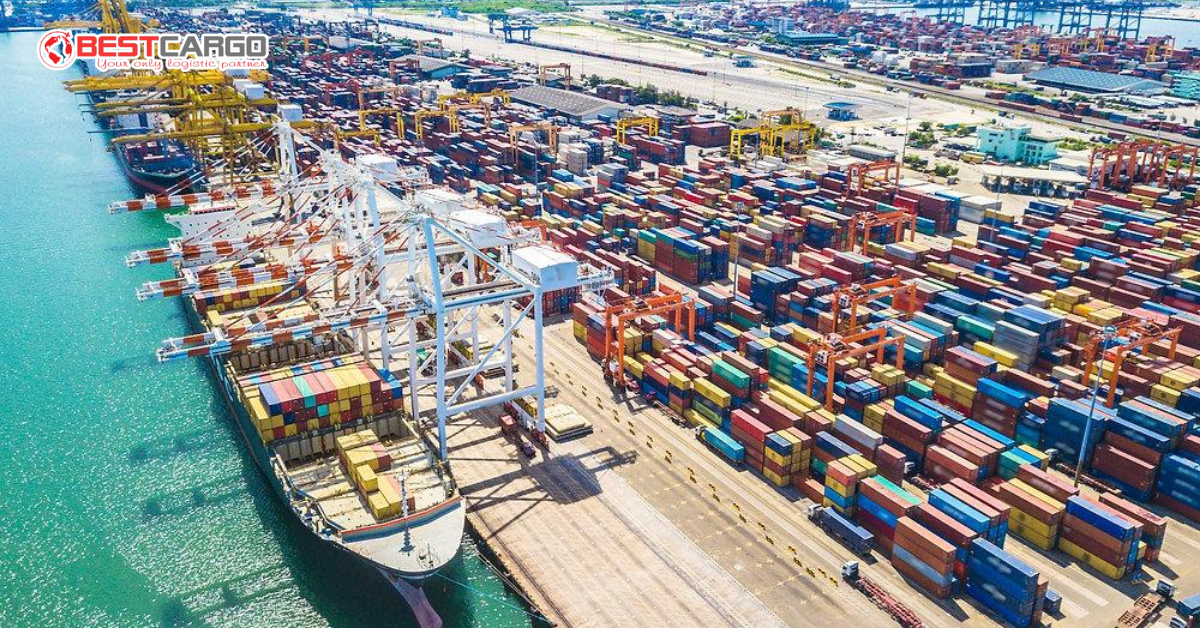
Infrastructure plays an important role in global trade. Efficient ports can reduce waiting times and improve cargo handling.
Airports are also important for time-sensitive shipments. Modern warehouses can help businesses manage inventory more efficiently.
As new manufacturing centers develop, logistics infrastructure must expand alongside them. Investment in ports, airports, roads, railways, and warehouses can support long-term trade growth.
What Should Importers and Exporters Do?
Importers and exporters should prepare for continued changes in global shipping. Monitoring international developments is an important first step.
Businesses should also evaluate alternative transportation routes. A backup route can reduce the impact of unexpected disruptions.
Inventory planning is another important consideration. Companies should determine appropriate safety stock based on product demand and transit times.
Working with an experienced logistics provider can also make transportation planning easier. Professional providers can monitor shipping conditions and recommend suitable alternatives.
The Future of Global Trade Routes
Global shipping networks are unlikely to return to a completely fixed structure. Companies are adapting to a more uncertain trading environment.
Manufacturing diversification will continue to create new trade flows. Alternative maritime routes may also become more important.
At the same time, businesses are placing greater emphasis on supply chain resilience. The cheapest transportation option is no longer the only consideration.
Reliability, flexibility, transit time, and risk management are becoming equally important.
Frequently Asked Questions
1. Why are global trade routes changing in 2026?
Global trade routes are changing because of geopolitical tensions, security risks, port congestion, environmental conditions, and supply chain diversification.
2. How do route changes affect shipping costs?
Longer routes can increase fuel consumption and vessel operating costs. These additional expenses may contribute to higher freight rates.
3. Why is the Cape of Good Hope important?
The Cape of Good Hope provides an alternative route between Asia and Europe. It can become important when vessels avoid the Red Sea or Suez Canal.
4. Can businesses use air freight instead of sea freight?
Yes. Air freight can be a suitable alternative for urgent, high-value, and time-sensitive shipments. However, transportation costs are usually higher.
5. What is multimodal transportation?
Multimodal transportation uses two or more transportation methods within one supply chain. It can help businesses balance cost, speed, and flexibility.
Conclusion
Global trade routes in 2026 are becoming more dynamic. Geopolitical risks, security concerns, port congestion, and supply chain diversification are changing how goods move around the world.
The Suez Canal, Cape of Good Hope, and Panama Canal remain important to international trade. At the same time, new manufacturing centers are creating additional trade flows across Asia.
These changes create both challenges and opportunities for businesses. Companies need flexible logistics strategies to manage uncertainty.
Air freight, sea freight, and multimodal transportation can each serve different supply chain needs. By choosing the right solution, businesses can control costs and maintain reliable deliveries.
Read more:
Southeast Asia Emerges as Asia’s New Logistics Hub
Gửi bột thạch sương sáo từ Hà Nội sang Mỹ
