



What Is Fuel Surcharge? Why Does Air Freight Cost Change?
Fuel surcharge is an important component of air freight pricing. It is an additional charge applied to shipments to reflect changes in aviation fuel costs. Because fuel is a major operating expense for airlines, changes in fuel prices can affect international air freight rates.
Understanding fuel surcharge can help importers and exporters better understand why an air freight quotation may change over time.
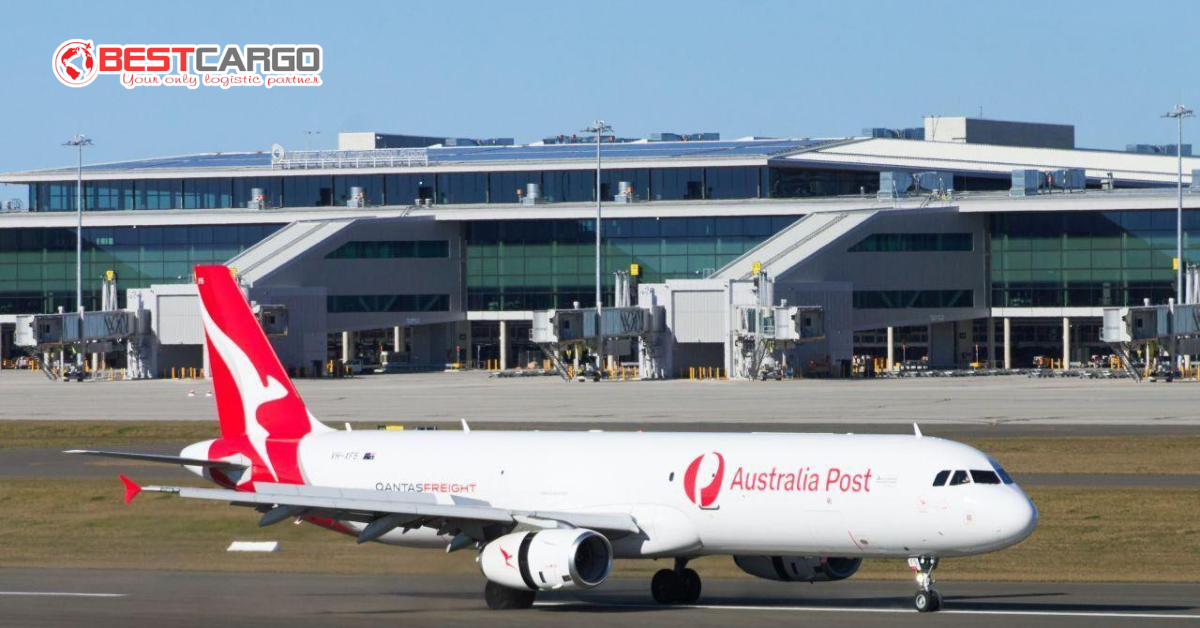
What Is Fuel Surcharge?
Fuel Surcharge (FSC) is an additional fee added to the base air freight rate.
Airlines use this charge to adjust transportation costs when fuel prices change. The surcharge may vary depending on the airline, route, market conditions, and pricing policy.
Therefore, the fuel surcharge is not necessarily fixed throughout the year.
Why Does Fuel Surcharge Affect Air Freight?

Fuel is one of the major costs of operating cargo aircraft.
When fuel prices increase, airlines face higher operating expenses. Part of this increase may be reflected in the fuel surcharge charged to customers.
When fuel prices decrease, the surcharge may also be adjusted.
This is one reason why an air freight quotation can change even when the shipment details remain the same.
How Is Fuel Surcharge Calculated?
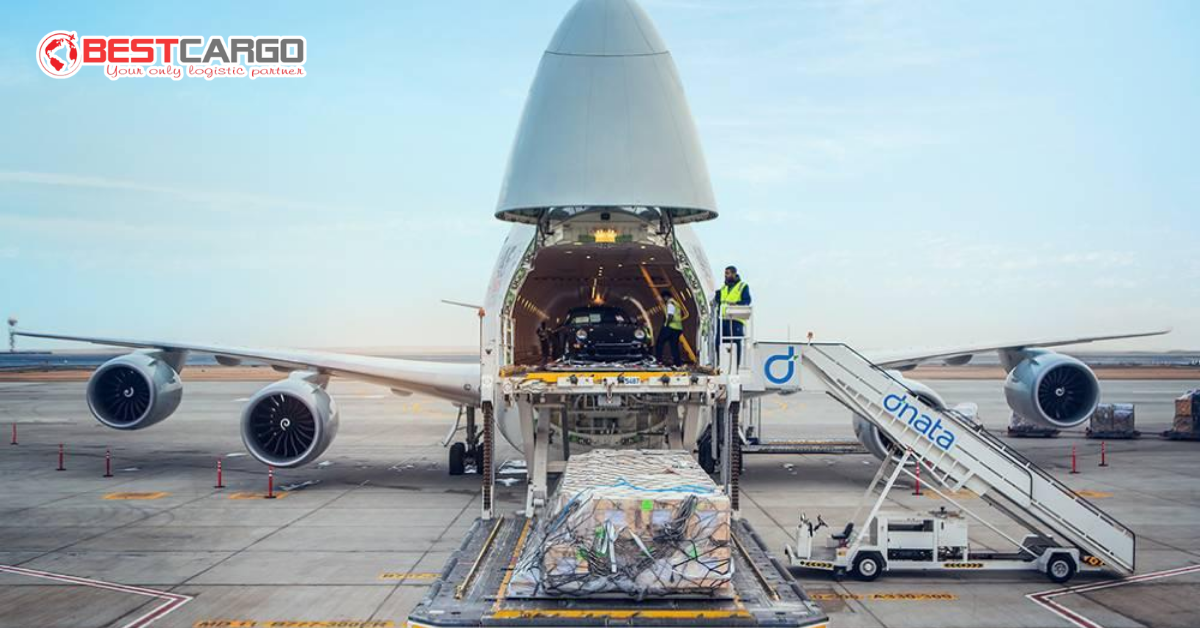
There is no single calculation method used by every airline.
Some carriers may calculate the surcharge based on the chargeable weight of the shipment. Others may apply a specific rate according to the destination or service.
For example, an airline may apply a fuel surcharge of a certain amount per kilogram.
If the chargeable weight increases, the total fuel surcharge will also increase.
The exact rate should therefore be confirmed when requesting an air freight quotation.
What Factors Can Change Fuel Surcharge?
Several factors can influence fuel surcharge.
Aviation Fuel Prices
Changes in global fuel prices are one of the main factors.
When aviation fuel becomes more expensive, airlines may review their surcharge levels.
Shipping Route
Different routes have different operating costs.
Long-distance routes may have different surcharge structures compared with shorter routes.
Airline Pricing Policy
Each airline may have its own method for calculating and adjusting fuel surcharges.
Two airlines serving the same destination may therefore provide different quotations.
Market Conditions
Demand for air cargo can also affect overall freight pricing.
During periods of high demand, air freight rates and related charges may increase.
Is Fuel Surcharge Included in the Air Freight Rate?
It depends on the quotation.
Some logistics providers may show the base freight rate and fuel surcharge separately.
Others may provide an all-in rate that already includes certain surcharges.
For this reason, customers should carefully check the quotation before comparing prices.
A lower basic freight rate does not always mean a lower total shipping cost.
Fuel Surcharge and Chargeable Weight
Fuel surcharge is often related to the chargeable weight of a shipment.
Chargeable weight is generally based on the higher value between actual weight and volumetric weight.
For example, a shipment may weigh only 20 kg physically but have a volumetric weight of 35 kg.
If 35 kg becomes the chargeable weight, the freight cost and certain weight-based charges may be calculated using 35 kg.
This is why packaging and shipment dimensions can affect the final cost.
How Can Businesses Control Air Freight Costs?
Businesses cannot control global fuel prices, but they can improve their shipping efficiency. First, companies should optimize packaging. Smaller and lighter packages can help reduce chargeable weight. Businesses should also compare different airlines and routes.
For regular shipments, negotiating suitable rates with a logistics provider may also help control transportation costs. Finally, companies should request a detailed quotation before confirming the shipment.
Why Should You Check Fuel Surcharge Before Shipping?
Fuel surcharge can have a noticeable impact on the final air freight cost. This is especially important for businesses that ship frequently or transport large quantities. Checking the latest surcharge allows companies to prepare a more accurate logistics budget. It also makes it easier to compare quotations from different logistics providers.
Frequently Asked Questions
1. What is Fuel Surcharge in air freight?
Fuel Surcharge is an additional fee used to reflect changes in aviation fuel costs.
2. Does Fuel Surcharge stay the same?
Not necessarily. The surcharge can change depending on fuel prices, airline policies, routes, and market conditions.
3. Is Fuel Surcharge included in the freight rate?
It depends on the quotation. Some providers list it separately, while others include it in an all-in rate.
4. Does shipment weight affect Fuel Surcharge?
Yes. When the surcharge is calculated according to chargeable weight, a higher chargeable weight can result in a higher total surcharge.
5. How can businesses reduce air freight costs?
Businesses can optimize packaging, compare airlines and routes, consolidate shipments when appropriate, and work with experienced logistics providers.
Conclusion
Fuel Surcharge is an important part of air freight pricing. Changes in aviation fuel prices can cause this surcharge to increase or decrease over time.
For importers and exporters, understanding Fuel Surcharge makes it easier to evaluate air freight quotations and plan transportation costs.
Before shipping, businesses should check the latest surcharge, chargeable weight, route, and other applicable fees. A detailed quotation can help avoid unexpected logistics costs.
Read more:
Southeast Asia Emerges as Asia’s New Logistics Hub
Gửi bột thạch sương sáo từ Hà Nội sang Mỹ
