



How Are High-Value Artworks Transported by Air Freight?
Transporting high-value artworks internationally requires careful planning, specialized packaging, and professional logistics coordination. Paintings, sculptures, antique objects, and collectible art pieces can be fragile, expensive, and difficult to replace if damaged.
For galleries, museums, collectors, and art dealers, air freight is often a preferred option for international shipments that require fast delivery and careful handling. However, successful transportation involves much more than booking a flight. Every stage must protect the artwork’s physical condition, authenticity, and value.
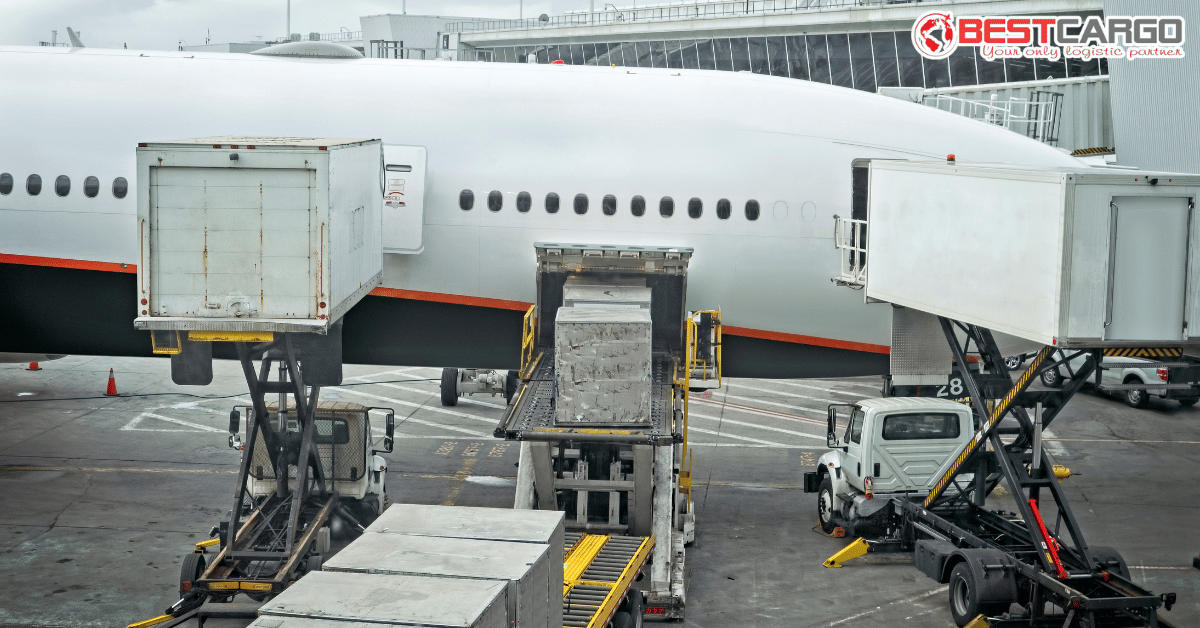
Why Choose Air Freight for High-Value Artworks?
Artworks may be sensitive to impact, vibration, humidity, temperature changes, and improper handling. Air freight can reduce transit time and limit the duration of exposure to transportation risks.
Key advantages include:
- Faster international delivery: Shorter transit times help meet exhibition and sales deadlines.
- Controlled handling procedures: Specialized logistics providers can coordinate careful cargo handling.
- Secure transportation: Shipments can be supported by appropriate security measures.
- Shipment tracking: Tracking information helps businesses monitor cargo movements.
- Flexible delivery options: Door-to-door services can simplify international art transportation.
Air freight does not eliminate every risk. Appropriate packaging, insurance, and handling arrangements remain essential.
Which Types of Artworks Can Be Shipped by Air?
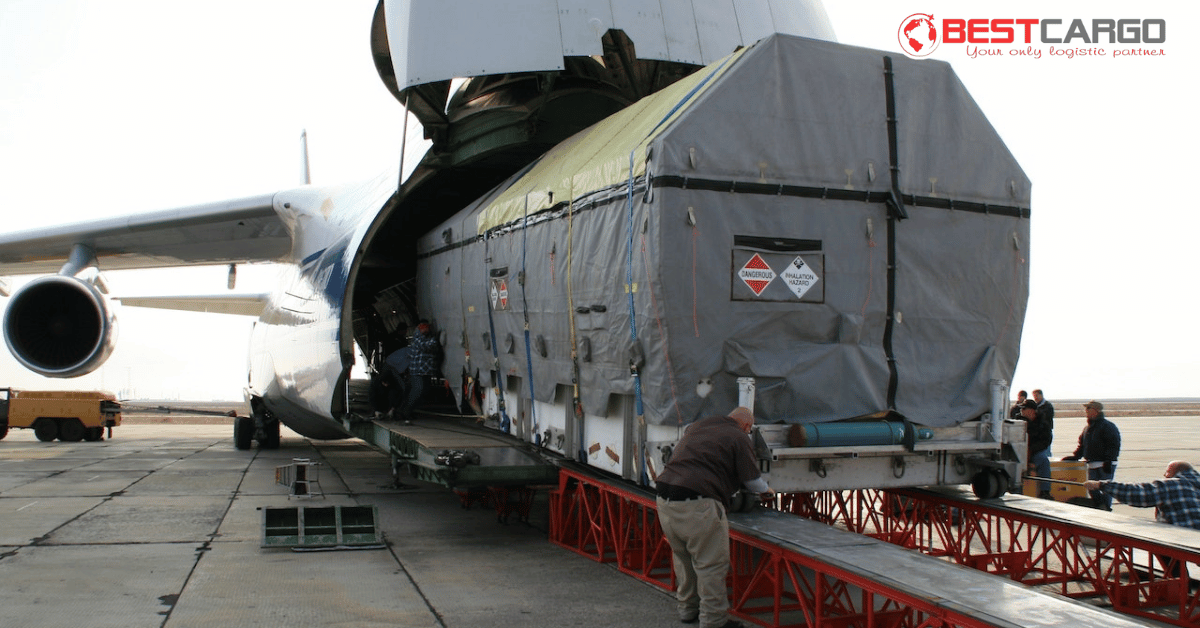
Many types of artwork can be transported by air, depending on their size, condition, materials, and destination requirements.
Common examples include:
- Oil and acrylic paintings.
- Lacquer paintings and traditional artwork.
- Sculptures and statues.
- Contemporary art installations.
- Antique furniture and decorative objects.
- Collectible ceramics and glass art.
- Photographs and limited-edition prints.
- Museum and exhibition pieces.
- High-value collectibles.
Each artwork requires an individual assessment. A framed painting may need corner protection and a rigid crate, while a sculpture may require a custom support structure.
Step 1: Assess the Artwork Before Shipping
Before arranging transportation, the shipper or art logistics provider should inspect the artwork and document its condition.
Important details include:
- Dimensions and total weight.
- Materials and construction.
- Existing cracks, scratches, or other damage.
- Sensitivity to temperature and humidity.
- Special handling requirements.
- Declared value and insurance needs.
Photographs and condition reports can help establish the artwork’s condition before shipment. This documentation is also useful if a damage claim arises.
For particularly valuable or fragile pieces, a professional art handler or conservator may need to recommend suitable preparation methods.
Step 2: Select the Right Packaging
Packaging is one of the most important parts of high-value art transportation. Standard cartons may be insufficient for fragile, oversized, or exceptionally valuable pieces.
Common packaging solutions include:
Protective Wrapping
Acid-free tissue, suitable protective films, and soft cushioning materials may be used depending on the artwork’s surface. Materials should be selected carefully to avoid abrasion, chemical reactions, or damage to delicate finishes.
Custom-Fitted Crates
Custom wooden crates can provide structural protection for paintings, sculptures, and large decorative objects. Internal supports should prevent movement without placing excessive pressure on the artwork.
Shock and Vibration Protection
Foam supports and other cushioning systems help absorb impacts during handling. Fragile components should be secured separately when necessary.
Moisture Protection
Suitable moisture barriers and humidity-control materials can help protect sensitive artworks. Packaging should also account for the artwork’s specific environmental requirements.
Any wooden packaging used for international shipments must comply with applicable import rules. Where required, solid wood packaging must meet the relevant ISPM 15 requirements.
Step 3: Prepare Export Documents
Accurate documentation helps prevent customs delays and supports the legal movement of artworks across borders.
Depending on the shipment, documents may include:
- Commercial Invoice or Pro Forma Invoice.
- Packing List.
- Air Waybill (AWB).
- Export customs declaration.
- Certificate of Origin, when applicable.
- Export permit or cultural property documentation, when required.
- Insurance documents.
- Condition report and photographs.
Antique or culturally significant artworks may be subject to additional export restrictions. Exporters should verify the rules of the country of origin and destination before booking transportation.
Step 4: Arrange Insurance and Security
High-value artworks can represent a substantial financial investment. Appropriate insurance can help protect the shipper against covered losses during transportation.
Before shipping, businesses should:
- Declare the artwork’s value accurately.
- Review the insurance policy’s coverage and exclusions.
- Confirm whether packing, loading, storage, and customs inspections are covered.
- Use secure packaging and appropriate shipment controls.
- Limit access to shipment details where practical.
- Keep photographs and shipping records.
Insurance terms vary, so the shipper should confirm the exact coverage before dispatch. A carrier’s standard liability may not be sufficient to cover the full value of an artwork.
Step 5: Coordinate Airport Handling and Air Transportation
Once the artwork is packed and the documents are ready, the logistics provider arranges cargo acceptance and transportation.
The process generally includes:
- Collecting the artwork from the gallery, studio, or storage facility.
- Checking the package dimensions, weight, and handling requirements.
- Completing export procedures.
- Delivering the shipment to the airport cargo terminal.
- Coordinating airline acceptance and loading.
- Monitoring the shipment during transit.
- Arranging arrival handling and import customs clearance.
For exceptionally valuable artworks, the logistics provider may arrange specialized handling, dedicated transport, or additional security measures based on the shipment’s needs.
Step 6: Complete Import Customs Clearance and Final Delivery
When the artwork arrives, the consignee or appointed customs broker must complete the applicable import procedures.
Customs requirements may depend on the artwork’s classification, value, origin, age, and intended use. Certain shipments may require permits or supporting documents.
After customs release, the artwork can be collected or delivered to its final destination.
The recipient should inspect the outer packaging before opening it. Any visible damage should be photographed and reported promptly to the relevant logistics provider or insurer.
Common Risks When Shipping High-Value Artworks
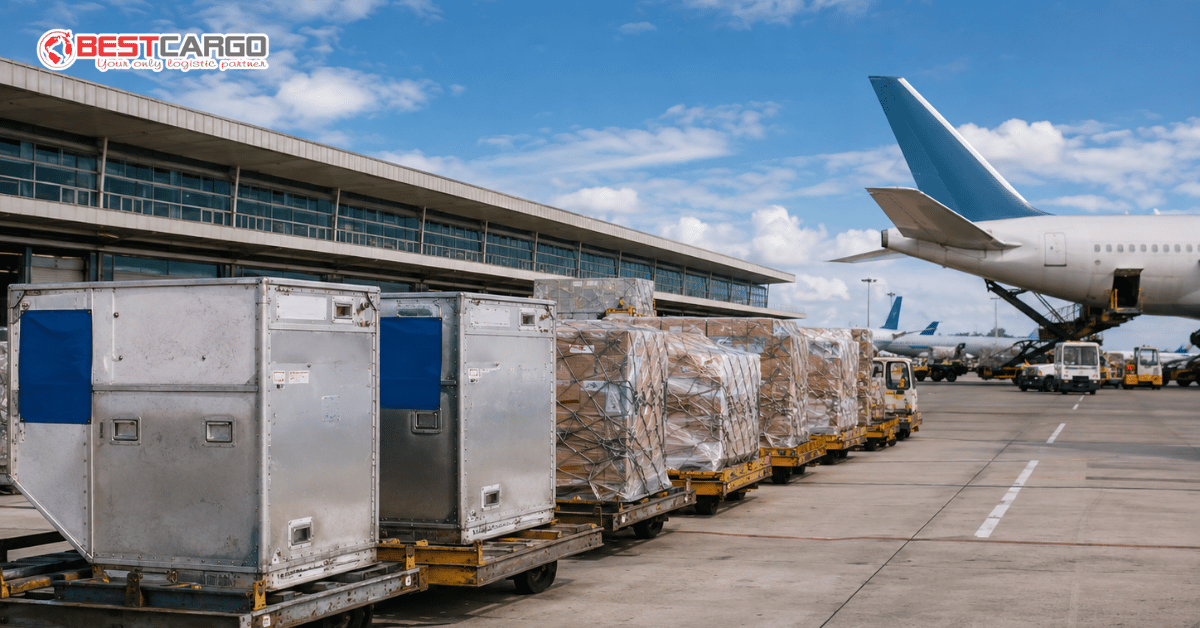
Even with professional handling, several risks need to be considered:
- Physical impact or vibration.
- Scratches and surface damage.
- Temperature or humidity fluctuations.
- Moisture exposure.
- Theft or loss.
- Customs delays.
- Inadequate packaging.
- Missing permits or incorrect documentation.
A detailed shipping plan helps reduce these risks and improves coordination between the shipper, freight forwarder, airline, customs broker, and recipient.
How to Optimize Air Freight Costs for Artworks
Shipping high-value art requires a balance between cost, safety, and delivery time.
Businesses can manage costs by:
- Selecting packaging that provides adequate protection without unnecessary bulk.
- Confirming crate dimensions before booking.
- Comparing suitable routing and service options.
- Consolidating shipments when timing and handling requirements allow.
- Preparing export documents in advance.
- Choosing a logistics provider experienced in art transportation.
The lowest shipping quote is not always the best option. Packaging quality, security arrangements, insurance, and specialist handling should also be considered.
Frequently Asked Questions
1. Can high-value artworks be shipped by air?
Yes. Air freight is commonly used for paintings, sculptures, collectibles, and exhibition pieces that require fast international transportation.
2. Do artworks need special packaging?
Many do. Fragile, valuable, or oversized artworks may require custom crates, protective wrapping, cushioning, and environmental controls.
3. Is insurance necessary when shipping artwork?
Insurance is strongly worth considering for valuable pieces. The shipper should verify coverage limits, exclusions, and the conditions required for a claim.
4. What documents are required to export artwork?
Common documents include an invoice, Packing List, Air Waybill, and customs declaration. Certain artworks may also require export permits or cultural property documentation.
5. How can damage be minimized during transportation?
Use suitable packaging, document the artwork’s condition, arrange appropriate handling, and work with a logistics provider experienced in transporting art.
Conclusion
Transporting high-value artworks by air freight requires careful preparation, specialized packaging, accurate documentation, and appropriate security measures. From the initial condition assessment to final delivery, every stage plays a role in protecting the artwork.
By working with an experienced logistics provider and confirming the relevant customs, insurance, and handling requirements, galleries, collectors, museums, and art dealers can transport valuable artworks internationally with greater confidence.
Read more:
Southeast Asia Emerges as Asia’s New Logistics Hub
Gửi bột thạch sương sáo từ Hà Nội sang Mỹ
