



How Are Fresh Flowers Prepared for International Air Freight?
Fresh flowers are among the most delicate products transported through international air cargo networks. Roses, orchids, lilies, tulips, and other cut flowers can lose freshness quickly if they are exposed to unsuitable temperatures, humidity, or handling conditions.
For flower growers, exporters, wholesalers, and retailers, international air freight offers a fast transportation solution that helps preserve flower quality and meet tight delivery schedules. However, successful flower shipping requires careful preparation, suitable packaging, temperature management, and accurate export documentation.

Why Is Air Freight Important for Fresh Flowers?
Fresh flowers are perishable products with a limited shelf life. Delays during transportation can affect their appearance, freshness, and commercial value.
Air freight offers several advantages:
- Fast international transportation.
- Shorter transit time.
- Better opportunities for temperature-controlled handling.
- Reliable access to major international markets.
- Shipment tracking throughout the journey.
- Suitable for seasonal demand and urgent orders.
Air freight is particularly useful during peak periods such as Valentine’s Day, Mother’s Day, and major floral festivals.
Step 1: Harvest Flowers at the Right Stage
Proper preparation begins before the flowers leave the farm.
Flowers should generally be harvested at a stage appropriate for their species, destination, and expected transit time. Some varieties are picked while the buds are partially closed, allowing them to develop after arrival.
Exporters should:
- Harvest flowers during suitable temperature conditions.
- Select healthy flowers with minimal damage.
- Remove wilted or diseased stems.
- Sort flowers by variety, size, and quality.
- Handle flowers carefully to prevent bruising.
The ideal harvest stage varies by flower type. Exporters should follow product-specific recommendations to maintain quality throughout transportation.
Step 2: Pre-Cool Flowers Before Packing
Pre-cooling is one of the most important steps in preparing fresh flowers for air freight.
After harvesting, flowers may retain field heat. If this heat is not removed, deterioration can accelerate during storage and transportation.
Pre-cooling helps lower the product temperature before shipment.
Common practices include:
- Moving harvested flowers to a suitable cooling area.
- Removing field heat as quickly as appropriate.
- Maintaining the recommended temperature for each flower variety.
- Avoiding unnecessary exposure to warm environments.
- Keeping flowers in suitable conditions while awaiting dispatch.
Different flowers have different temperature requirements. Tropical varieties, for example, may be damaged by temperatures that are suitable for many temperate flowers.
Step 3: Hydrate and Condition the Flowers
Some cut flowers require hydration or conditioning before packing. These processes help maintain water balance and reduce the risk of premature wilting.
Depending on the variety and export protocol, preparation may include:
- Placing stems in clean water or an approved hydration solution.
- Trimming stems with suitable tools.
- Removing excess foliage where necessary.
- Using clean containers and equipment.
- Following recommended conditioning times.
Flowers should not be packed wet without considering the packaging and transport conditions. Excess moisture can contribute to condensation and quality problems.
Step 4: Choose Suitable Packaging
Packaging must protect flowers from crushing, vibration, moisture loss, and unnecessary movement during transportation.
Common packaging materials include:
- Strong corrugated flower boxes.
- Protective sleeves for individual bunches.
- Paper or suitable cushioning materials.
- Moisture-resistant liners where appropriate.
- Internal supports to secure stems and blooms.
Flowers should be arranged carefully to prevent petals from being crushed. Cartons must also be strong enough to withstand stacking and normal cargo handling.
For export shipments, packaging dimensions should be optimized without compromising flower protection or ventilation requirements.
Step 5: Maintain the Cold Chain
A reliable cold chain is essential for many fresh flower shipments.
The cold chain refers to maintaining suitable environmental conditions from post-harvest preparation through storage, airport handling, air transportation, and delivery.
Important considerations include:
- Maintaining the recommended temperature for the flower species.
- Minimizing time outside controlled environments.
- Using suitable cold-storage facilities.
- Coordinating pickup and airport delivery schedules.
- Monitoring temperature when required.
- Reducing unnecessary handling and waiting time.
The correct temperature depends on the flower variety. Not all flowers should be stored at the same temperature, and some tropical flowers are sensitive to chilling.
Step 6: Prepare Export and Import Documents
Accurate documentation helps prevent delays at origin and destination.
Depending on the flower species and destination country, documents may include:
- Commercial Invoice.
- Packing List.
- Air Waybill (AWB).
- Export customs declaration.
- Phytosanitary Certificate, when required.
- Import permit, when applicable.
- Additional plant health documentation requested by the destination authority.
Fresh flowers may be subject to plant health inspections and import restrictions. Exporters should confirm the requirements for the specific species and destination before booking the shipment.
Step 7: Coordinate Airport Handling and Delivery
After packing and documentation are complete, the flowers must be delivered to the airport and processed for air transportation.
A typical process includes:
- Collecting the packed flowers from the farm or packing facility.
- Transporting them under suitable conditions to the airport.
- Completing cargo acceptance and export procedures.
- Coordinating loading and flight arrangements.
- Monitoring the shipment during transit.
- Arranging import clearance and plant health inspections.
- Delivering the flowers to the consignee.
Good coordination between the exporter, freight forwarder, airline, customs broker, and importer helps minimize delays.
Common Challenges in Fresh Flower Air Freight

Despite careful preparation, fresh flower shipments can face several risks:
- Temperature fluctuations.
- Delays during airport handling.
- Insufficient pre-cooling.
- Inadequate packaging.
- Moisture loss and dehydration.
- Customs or phytosanitary inspections.
- Flight cancellations or missed connections.
Exporters can reduce these risks by planning shipments in advance, choosing suitable routes, and working with logistics providers experienced in perishable cargo.
How to Reduce Fresh Flower Shipping Costs
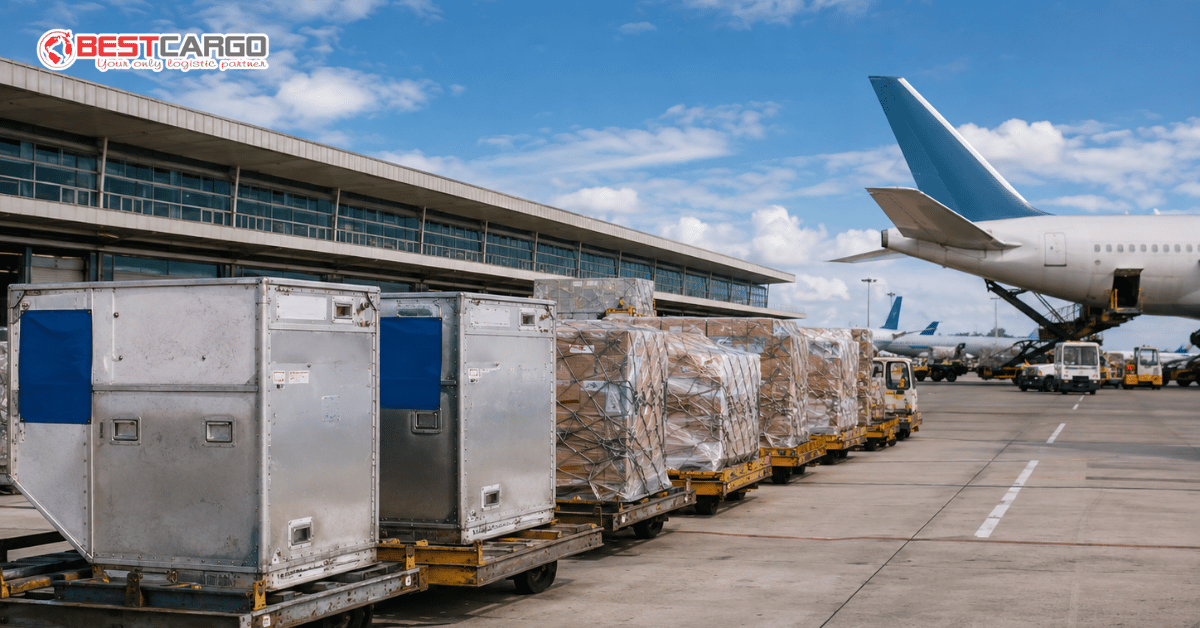
Air freight costs can be significant, especially during seasonal demand peaks.
Businesses can improve cost efficiency by:
- Optimizing carton dimensions.
- Using packaging that protects flowers without excessive weight.
- Consolidating compatible shipments where practical.
- Booking cargo space early during peak seasons.
- Selecting suitable flight routes.
- Coordinating pickup and delivery schedules.
- Reducing delays that may lead to product loss.
Cost-saving measures should never compromise temperature control or flower quality.
Frequently Asked Questions
1. Can fresh flowers be shipped internationally by air?
Yes. Air freight is widely used for international flower shipments because it offers fast transportation and access to major markets.
2. Do fresh flowers require temperature-controlled transportation?
Many varieties benefit from temperature-controlled handling. The exact requirements depend on the flower species and its sensitivity to cold.
3. Is a Phytosanitary Certificate required?
It may be required depending on the flower species and destination country. Exporters should verify the applicable plant health regulations before shipping.
4. How should fresh flowers be packaged?
Flowers should be arranged in suitable protective sleeves and strong cartons, with adequate support to prevent crushing and damage during handling.
5. What causes fresh flowers to lose quality during air freight?
Common causes include temperature fluctuations, dehydration, excessive handling, inadequate pre-cooling, and delays during transportation or customs clearance.
Conclusion
Preparing fresh flowers for international air freight requires careful coordination from harvesting to final delivery. Proper pre-cooling, hydration, protective packaging, cold-chain management, and accurate documentation all contribute to maintaining flower quality.
By planning each stage and working with an experienced air freight logistics provider, exporters can reduce transportation risks, improve delivery reliability, and supply fresh flowers to international markets in better condition.
Read more:
Southeast Asia Emerges as Asia’s New Logistics Hub
Gửi bột thạch sương sáo từ Hà Nội sang Mỹ
