


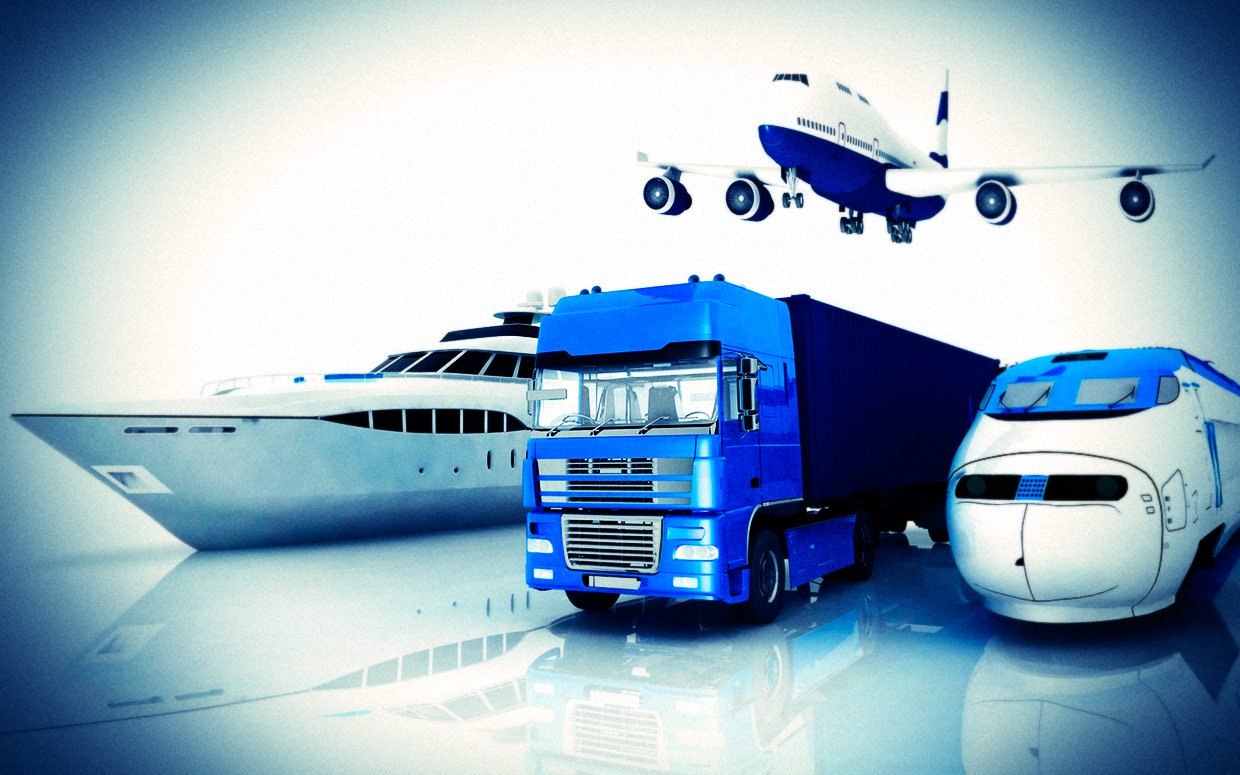
Automated Cargo Sorting Systems: Improving Efficiency in Air Cargo Operations
Air cargo warehouses handle large volumes of shipments every day. As shipment volumes increase, manual sorting becomes more time-consuming and creates a higher risk of handling errors. Automated Cargo Sorting Systems provide an effective solution by using advanced technologies to identify, classify, and direct shipments to the correct locations.
These systems help airport warehouses improve processing speed, reduce labor requirements, and maintain more accurate cargo operations.
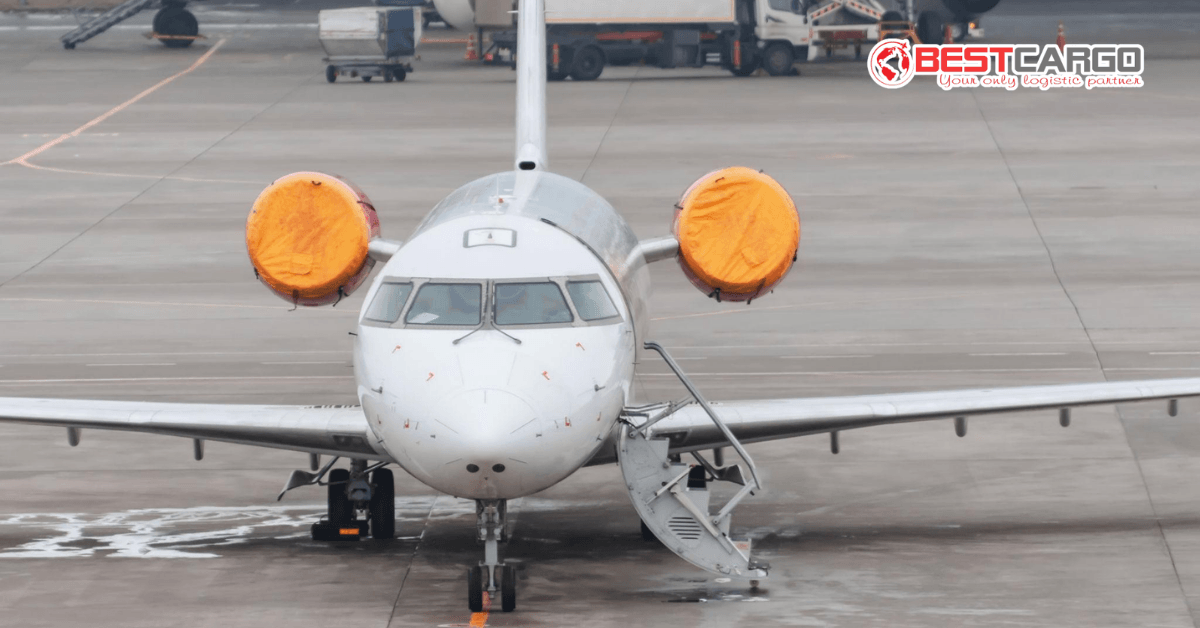
What Are Automated Cargo Sorting Systems?
Automated Cargo Sorting Systems are technologies designed to automatically identify and separate shipments based on specific criteria.
These criteria may include destination, shipment type, size, weight, handling requirements, and transportation schedules.
Instead of relying entirely on manual sorting, warehouse operators use conveyors, scanners, sensors, and automated control software to direct cargo through different processing areas.
These systems are particularly useful in large air cargo terminals where thousands of packages must be processed within limited timeframes.
How Do Automated Cargo Sorting Systems Work?
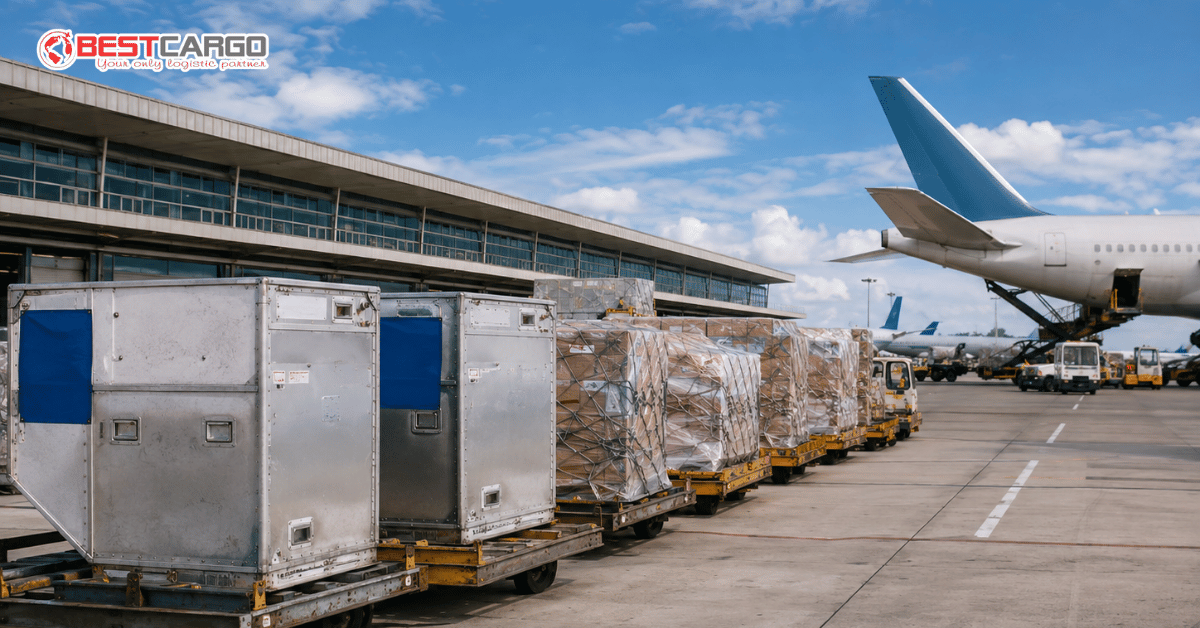
An automated sorting process typically involves several stages.
Step 1: Cargo Induction
Shipments are placed onto conveyor belts or designated feeding points.
At this stage, the system receives cargo and prepares it for identification. Packages may also undergo initial checks to ensure they meet the system’s operating requirements.
Step 2: Barcode and Label Scanning
Automated scanners read shipment labels and barcodes to retrieve important information.
The system may identify:
- Shipment reference numbers.
- Destination airports.
- Handling instructions.
- Package dimensions and weight.
- Routing information.
This information allows the sorting system to determine the appropriate cargo destination.
Step 3: Cargo Identification and Classification
After scanning, the warehouse management system processes the shipment information.
Cargo is classified according to predefined operational rules. For example, shipments may be separated by destination, flight connection, service priority, or handling requirements.
Step 4: Automated Cargo Routing
Once classification is completed, the system directs each shipment toward the correct sorting lane.
Automated conveyors, diverters, and mechanical sorting equipment move packages without requiring employees to manually transport every item.
Step 5: Cargo Collection and Verification
Sorted shipments are transferred to designated collection areas.
Warehouse employees verify cargo quantities, check shipment information, and prepare the goods for the next handling stage.
This final check helps reduce the risk of incorrect cargo allocation.
Types of Automated Cargo Sorting Systems
Different sorting technologies are used depending on warehouse capacity, cargo characteristics, and operational requirements.
| System Type | Main Function |
|---|---|
| Conveyor Sorting Systems | Move shipments between different processing areas |
| Cross-Belt Sorters | Direct packages to designated destinations using moving belts |
| Tilt-Tray Sorters | Discharge packages into selected sorting locations |
| Sliding Shoe Sorters | Divert shipments into different lanes using mechanical shoes |
| Robotic Sorting Systems | Use robots to identify, pick, and move selected packages |
Not every system is suitable for all types of air cargo. Oversized, irregularly shaped, heavy, or special-handling shipments may require dedicated equipment and manual processing.
Benefits of Automated Cargo Sorting Systems
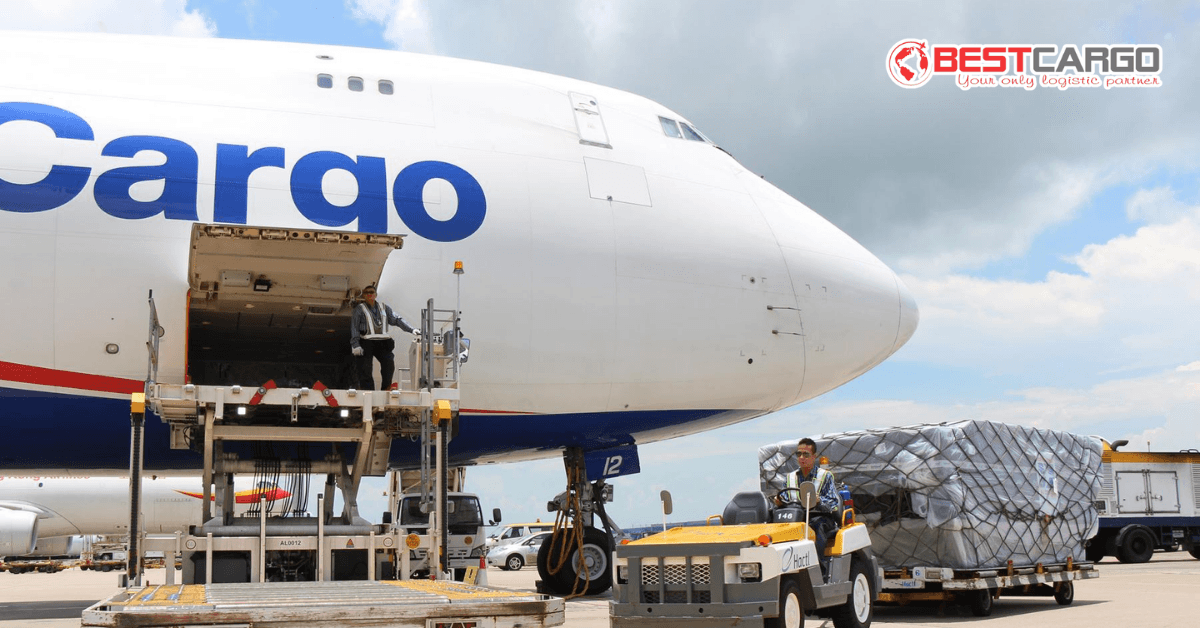
Automation provides several important advantages for airport cargo operations.
1. Faster Cargo Processing
Automated equipment can process large numbers of packages with consistent movement and routing. This helps reduce sorting time during busy operational periods.
2. Improved Sorting Accuracy
Barcode scanning and automated routing reduce reliance on manual identification. This helps minimize misrouting and classification errors.
3. Lower Manual Handling Requirements
Employees spend less time moving and sorting individual packages. They can focus on inspection, exception handling, and other specialized tasks.
4. Better Warehouse Productivity
Automated sorting improves the flow of cargo between receiving, processing, and dispatch areas. This supports more efficient warehouse operations.
5. Improved Shipment Visibility
When integrated with warehouse management systems, automated sorting equipment can provide shipment status updates and operational data.
Challenges of Implementing Automated Sorting Systems
Despite their advantages, automated sorting systems require careful planning and investment.
- High initial investment: Equipment installation and system integration can require significant capital.
- Maintenance requirements: Conveyors, scanners, and mechanical components need regular inspection.
- System integration: Sorting technology must communicate effectively with existing warehouse and cargo management systems.
- Cargo diversity: Different package sizes, shapes, and weights can create operational challenges.
- Employee training: Staff need technical knowledge to operate equipment and handle system exceptions.
Future Trends in Automated Air Cargo Sorting
The development of smart warehouse technologies is creating new opportunities for cargo automation.
Artificial intelligence can support shipment recognition and improve sorting decisions. Robotics can automate repetitive handling tasks, while IoT sensors provide additional operational data.
In addition, machine vision technology can help identify package labels and detect irregularities during processing.
These innovations are expected to support more flexible, accurate, and data-driven air cargo warehouse operations.
Frequently Asked Questions (FAQs)
1. What are Automated Cargo Sorting Systems?
They are technologies that automatically identify, classify, and direct shipments to designated locations in cargo warehouses.
2. What technologies are used in automated cargo sorting?
Common technologies include conveyor belts, barcode scanners, RFID, sensors, robotic equipment, and warehouse management software.
3. How do automated sorting systems improve air cargo operations?
They help increase processing speed, improve sorting accuracy, reduce manual handling, and enhance warehouse productivity.
4. Can automated sorting systems handle all types of air cargo?
No. Oversized, irregularly shaped, heavy, and special-handling shipments may require separate processing methods or manual handling.
5. Are automated cargo sorting systems suitable for small warehouses?
It depends on shipment volume, investment capacity, and operational requirements. Smaller warehouses may benefit from simpler conveyor and barcode-based solutions.
Conclusion
Automated Cargo Sorting Systems are becoming an important part of modern air cargo warehouse operations. By combining scanning technology, automated conveyors, robotics, and digital management systems, airport operators can improve cargo processing and reduce operational errors.
As air freight demand continues to grow, automation will play an increasingly important role in building efficient and reliable cargo handling facilities.
Read more:
Southeast Asia Emerges as Asia’s New Logistics Hub
Gửi bột thạch sương sáo từ Hà Nội sang Mỹ
