



How Vacuum Packaging Improves Air Freight Safety
Vacuum packaging has become an essential solution for protecting products during international air freight transportation. By removing air from the package before sealing, this packaging method helps reduce contamination, minimize product movement, and preserve product quality throughout the shipping process.
For exporters shipping food, pharmaceuticals, electronics, and other sensitive goods, vacuum packaging plays a critical role in improving air freight safety while reducing the risk of damage during handling and transit.
What Is Vacuum Packaging?
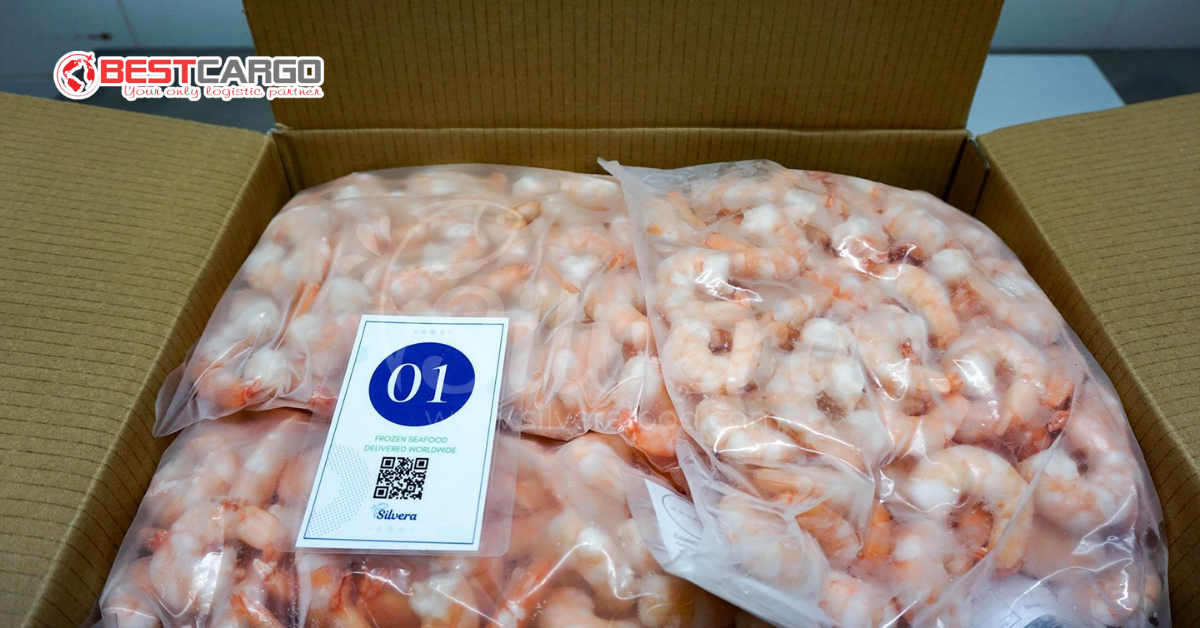
Vacuum packaging is a process that removes air from a package before it is completely sealed. The reduced oxygen level helps protect products from moisture, oxidation, bacteria, and external contaminants.
This packaging method is widely used across industries that require high product quality and extended shelf life during transportation.
Common products shipped using vacuum packaging include:
- Coffee beans and ground coffee
- Seafood
- Meat products
- Dried fruits
- Tea
- Spices
- Medical supplies
- Electronic components
- Industrial parts
Why Is Vacuum Packaging Important for Air Freight?
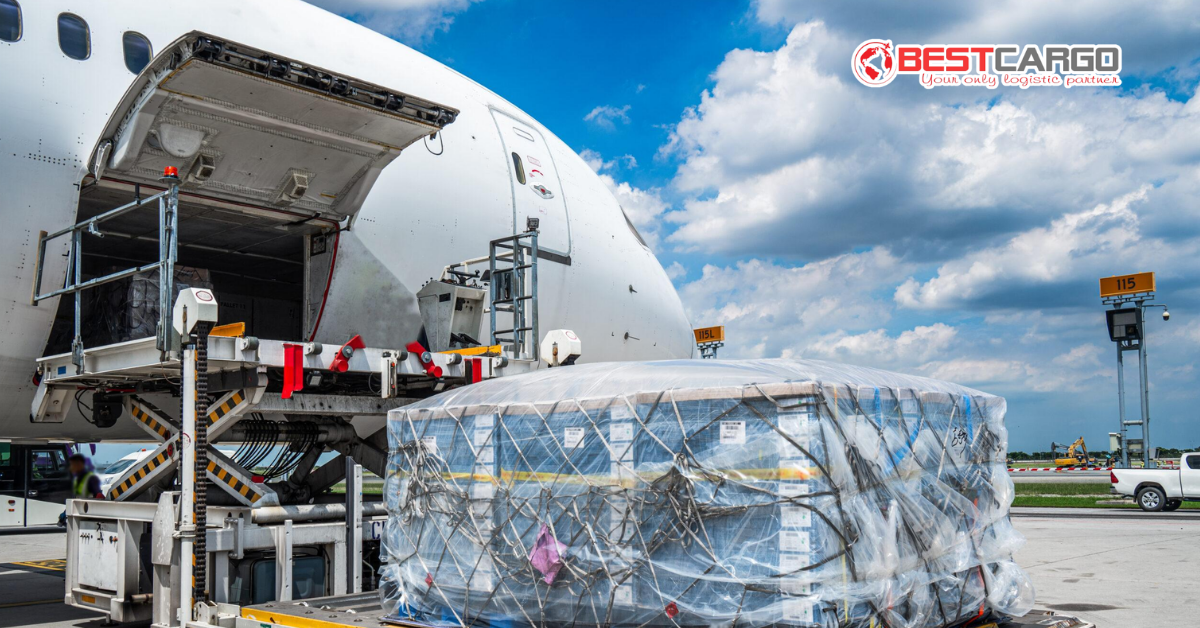
Air freight involves multiple stages of cargo handling, including warehousing, airport processing, aircraft loading, and international delivery.
Proper packaging is essential to protect shipments from:
- Physical impact
- Moisture exposure
- Dust contamination
- Temperature fluctuations
- Product movement inside cartons
- Compression during stacking
Vacuum packaging helps minimize these risks while maintaining product quality throughout the journey.
Key Benefits of Vacuum Packaging
1. Better Product Protection
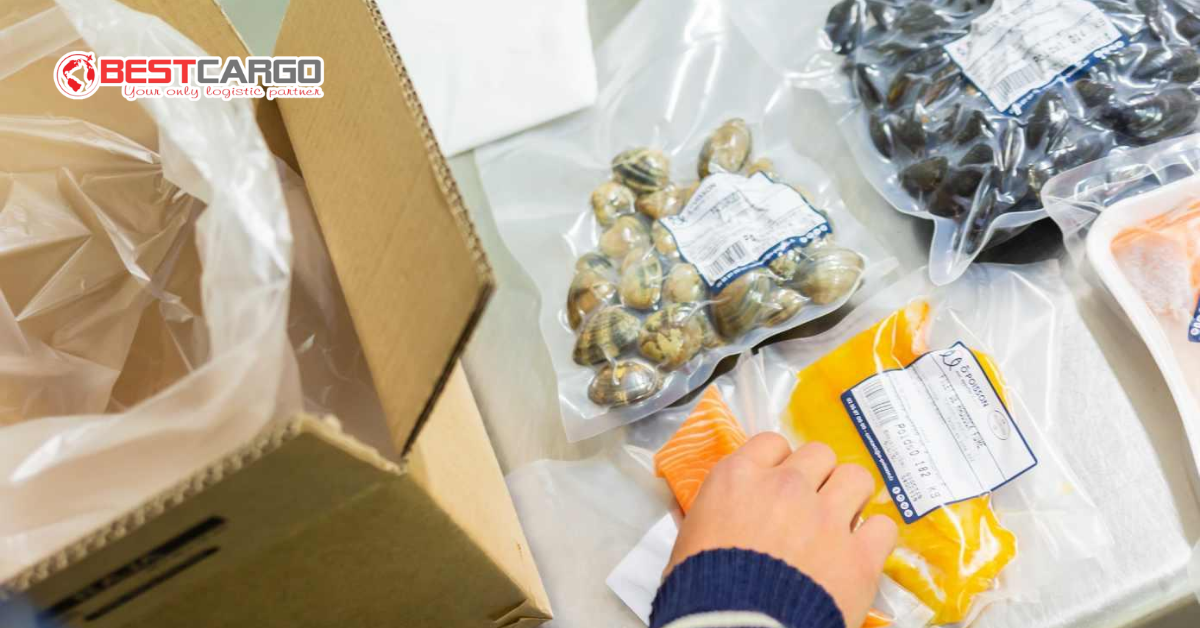
Removing excess air creates a tighter package that helps prevent products from shifting during transportation.
This reduces the risk of:
- Breakage
- Surface damage
- Product deformation
- Package failure
2. Moisture Resistance
Vacuum-sealed products are better protected against humidity and condensation that may occur during international transportation.
This is especially important for:
- Coffee
- Tea
- Powdered products
- Dried foods
- Electronics
3. Extended Shelf Life
Reduced oxygen slows oxidation and bacterial growth, helping products maintain freshness for longer periods.
This benefit is particularly valuable for exporters shipping food products internationally.
4. Improved Hygiene
Vacuum packaging creates a sealed environment that minimizes contamination during cargo handling and storage.
5. Space Optimization
Vacuum-sealed packages often occupy less space than traditional packaging.
Benefits include:
- More efficient pallet loading
- Better container utilization
- Reduced storage space
- Improved cargo organization
Products That Benefit Most from Vacuum Packaging
Many industries rely on vacuum packaging before shipping goods by air.
Popular examples include:
- Vietnamese coffee
- Seafood
- Fresh meat
- Frozen food
- Dried fruits
- Cashew nuts
- Pepper
- Tea
- Medical devices
- Pharmaceutical products
- Electronic accessories
These products often require additional protection to preserve quality during international transportation.
Best Practices for Vacuum Packaging
To maximize shipment safety, businesses should follow recommended packaging procedures.
Best practices include:
- Use food-grade vacuum bags for food products.
- Select durable packaging materials.
- Seal packages completely.
- Inspect bags for leaks before shipping.
- Use cushioning materials inside cartons.
- Pack cartons securely.
- Label shipments clearly.
- Follow airline packaging requirements.
Proper preparation reduces the risk of cargo rejection and transportation damage.
Common Mistakes to Avoid
Improper vacuum packaging may reduce shipment protection.
Common mistakes include:
- Using low-quality packaging materials.
- Overfilling vacuum bags.
- Incomplete sealing.
- Shipping damaged products.
- Ignoring airline packaging regulations.
- Failing to protect sharp product edges.
Avoiding these mistakes helps improve shipment safety and customer satisfaction.
Vacuum Packaging and International Air Freight Regulations
Although vacuum packaging itself is widely accepted, exporters must also comply with international shipping regulations.
Businesses should ensure that:
- Products meet import requirements.
- Packaging complies with airline standards.
- Food products satisfy health regulations.
- Dangerous goods are declared correctly.
- Export documentation is complete.
Working with experienced freight forwarders helps ensure full compliance throughout the shipping process.
Future Trends in Vacuum Packaging
Packaging technology continues to evolve alongside the logistics industry.
Emerging trends include:
- Sustainable packaging materials
- Biodegradable vacuum bags
- Smart packaging with tracking sensors
- Improved moisture barrier technology
- Recyclable packaging solutions
- Automated vacuum sealing systems
These innovations are expected to improve both cargo protection and environmental sustainability.
Frequently Asked Questions
1. Why is vacuum packaging recommended for air freight?
Vacuum packaging protects products from moisture, contamination, oxidation, and physical movement during transportation, helping maintain product quality.
2. Which products benefit most from vacuum packaging?
Coffee, seafood, meat, tea, spices, dried fruits, pharmaceuticals, electronics, and medical supplies are commonly vacuum packed before air shipment.
3. Does vacuum packaging reduce shipping costs?
While vacuum packaging does not directly reduce freight rates, it can improve space utilization, reduce product damage, and lower replacement costs.
4. Is vacuum packaging suitable for international exports?
Yes. Vacuum packaging is widely used for international air freight and is accepted for many product categories when combined with proper export packaging.
5. Can vacuum packaging replace protective cartons?
No. Vacuum packaging protects the product itself, but durable corrugated cartons and cushioning materials are still recommended for safe air transportation.
Conclusion
Vacuum packaging plays a vital role in improving air freight safety by protecting products from moisture, contamination, oxidation, and physical damage. Combined with proper export packaging and compliance with international shipping standards, vacuum packaging helps businesses deliver high-quality products to global markets more safely and efficiently. As international trade continues to expand, adopting reliable packaging solutions will remain an important part of successful air freight logistics.
Read more:
Electronic Air Waybill (e-AWB) – New Standard in Air Freight Logistics
Gửi bột thạch sương sáo từ Hà Nội sang Mỹ
