


Electronic Air Waybill (e-AWB) – New Standard in Air Freight Logistics
Electronic Air Waybill (e-AWB) has become one of the most important innovations in the air freight industry. As logistics providers, airlines, freight forwarders, and customs authorities continue their digital transformation, replacing paper-based documentation with electronic processes is improving efficiency, reducing costs, and accelerating international cargo movement.
Today, e-AWB is widely adopted across global air cargo networks and is increasingly recognized as the new standard for modern air freight logistics.
What is an Electronic Air Waybill (e-AWB)?
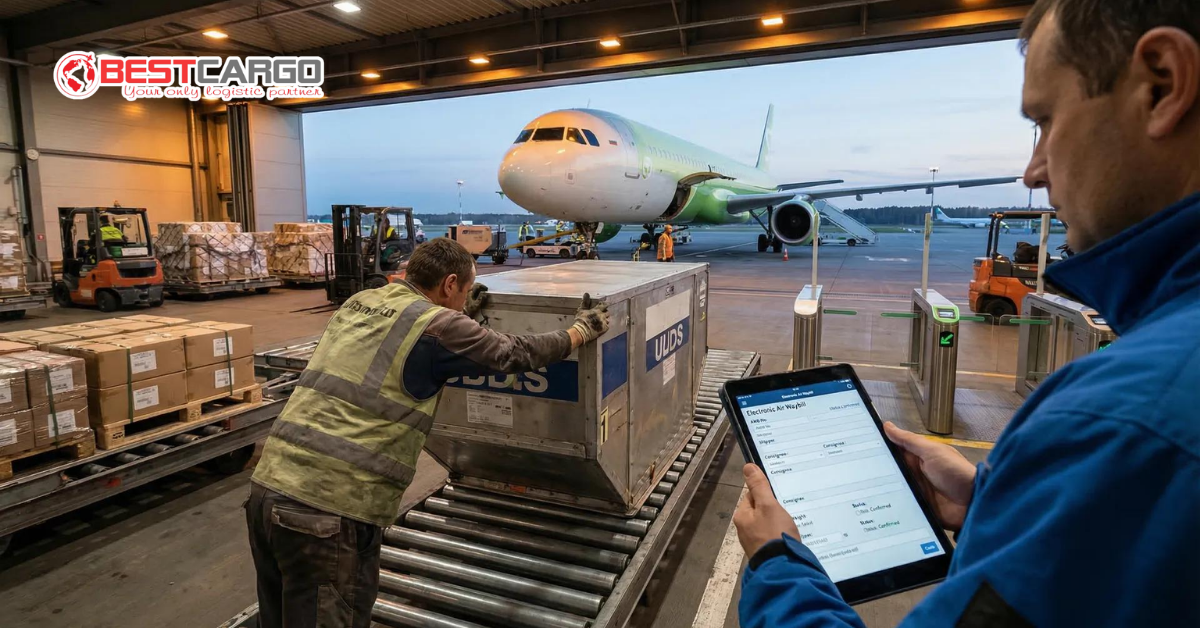
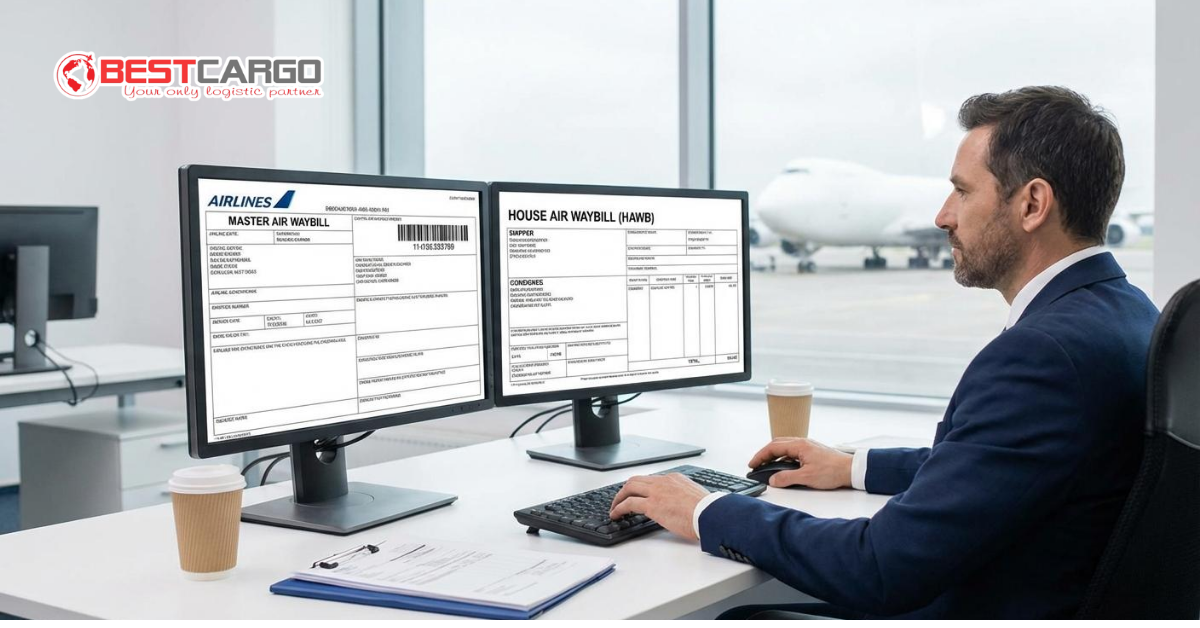
An Electronic Air Waybill (e-AWB) is the digital version of the traditional paper Air Waybill (AWB). It serves as the contract of carriage between the shipper and the airline while eliminating the need for printed paper documents.
Instead of exchanging physical paperwork, shipment information is transmitted electronically between airlines, freight forwarders, customs authorities, and other supply chain partners.
The e-AWB supports a faster, more secure, and environmentally friendly cargo documentation process.
Why is e-AWB becoming the industry standard?
The logistics industry is under constant pressure to improve speed, visibility, and operational efficiency.
Electronic documentation helps companies achieve these goals by reducing manual processes and simplifying cargo handling.
Key reasons for the rapid adoption of e-AWB include:
- Faster document processing.
- Reduced paperwork.
- Lower administrative costs.
- Improved shipment accuracy.
- Better data visibility.
- Faster customs procedures.
- Enhanced operational efficiency.
- Support for digital supply chains.
As more airlines and logistics providers adopt electronic documentation, e-AWB continues to replace traditional paper Air Waybills worldwide.
Benefits of Electronic Air Waybill (e-AWB)
The adoption of e-AWB provides significant advantages for every participant in the air cargo supply chain.
Major benefits include:
Faster shipment processing
Electronic documents are transmitted instantly, allowing cargo to move through airports more quickly.
Reduced operating costs
Companies save money by eliminating paper printing, document storage, and manual processing.
Improved data accuracy
Digital information minimizes errors caused by handwritten or manually entered documents.
Better shipment visibility
Real-time data sharing allows logistics partners to monitor shipment status more effectively.
Environmental sustainability
Replacing paper documents supports sustainability initiatives by reducing paper consumption and waste.
Enhanced customer experience
Faster documentation improves delivery times and provides customers with more accurate shipment information.
How e-AWB works
The e-AWB process begins when a freight forwarder prepares shipment information electronically.
The information is then transmitted directly to the airline before cargo arrives at the airport.
The typical process includes:
- Booking the shipment.
- Preparing electronic shipment data.
- Sending shipment information to the airline.
- Cargo acceptance at the airport.
- Customs processing.
- Aircraft loading.
- Shipment tracking throughout transportation.
- Final delivery at the destination.
Because documentation is already available electronically, cargo handling becomes faster and more efficient.
Industries benefiting from e-AWB
Electronic documentation is valuable across many industries that rely on international air freight.
Common sectors include:
- Pharmaceutical products.
- Fresh food exports.
- Seafood.
- Electronics.
- Automotive components.
- Fashion products.
- E-commerce shipments.
- High-value cargo.
- Medical equipment.
For businesses shipping time-sensitive goods, faster documentation directly supports shorter transit times.
Challenges of implementing e-AWB
Although adoption continues to grow, some organizations still face implementation challenges.
Common issues include:
- Legacy IT systems.
- Staff training requirements.
- Regulatory differences between countries.
- Integration with existing logistics software.
- Data security considerations.
Despite these challenges, ongoing investment in digital infrastructure continues to improve global e-AWB adoption.
The future of e-AWB in air freight
Digital transformation will continue to reshape the air cargo industry over the coming years.
Future developments are expected to include:
- Greater automation.
- AI-powered document verification.
- Blockchain-supported cargo documentation.
- Real-time cargo visibility.
- Paperless customs clearance.
- Integrated digital logistics platforms.
- Smart data sharing across global supply chains.
These innovations will help create a faster, more transparent, and more efficient air freight ecosystem.
Frequently Asked Questions
1. What is an Electronic Air Waybill (e-AWB)?
An Electronic Air Waybill (e-AWB) is the digital version of a traditional Air Waybill that allows shipment information to be exchanged electronically instead of using paper documents.
2. Why is e-AWB important?
e-AWB improves shipment processing speed, reduces paperwork, lowers operating costs, and increases document accuracy throughout the air freight process.
3. Is e-AWB accepted worldwide?
Many airlines, freight forwarders, and airports around the world have adopted e-AWB, although implementation may vary depending on local regulations and operational capabilities.
4. Which businesses benefit most from e-AWB?
Companies involved in pharmaceuticals, food exports, electronics, e-commerce, healthcare, and other time-sensitive industries benefit significantly from faster digital documentation.
5. Does e-AWB support sustainable logistics?
Yes. By replacing paper documents with electronic data exchange, e-AWB helps reduce paper consumption and supports more environmentally sustainable logistics operations.
Conclusion
Electronic Air Waybill (e-AWB) is transforming the way air freight shipments are managed worldwide. By replacing traditional paper documentation with secure digital processes, e-AWB enables faster cargo handling, improves operational efficiency, reduces costs, and supports sustainable logistics practices. As the air cargo industry continues its digital transformation, adopting e-AWB is becoming an essential step for businesses seeking greater efficiency, transparency, and competitiveness in international logistics.
Read more:
LogiMAT 2026: Smart Solutions of Air Cargo Logistics
Gửi bột thạch sương sáo từ Hà Nội sang Mỹ
