



Cargo Offloaded From a Flight: Causes and How to Handle It
Air freight is known for its speed and reliability. However, cargo may sometimes be offloaded from a flight before departure. This situation can cause unexpected delays and affect delivery schedules.
Cargo offloading can happen for several reasons. These include aircraft capacity limits, weight restrictions, operational issues, weather conditions, and documentation problems. Understanding these causes helps shippers respond quickly and reduce potential disruptions.

What Does Cargo Offloaded From a Flight Mean?
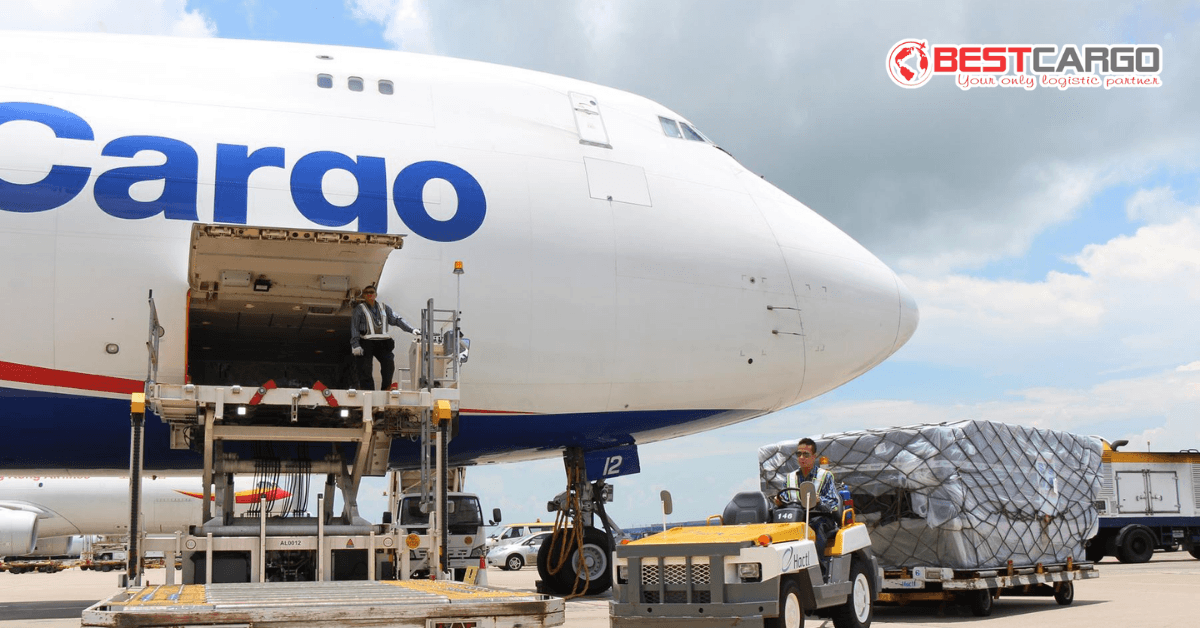
Cargo offloading occurs when confirmed cargo is removed from an aircraft before the flight departs. The shipment may be moved to another flight or held at the airport temporarily.
Offloading does not necessarily mean that the cargo is lost. In most cases, the airline or freight forwarder will arrange a new flight when space becomes available.
However, the delay can affect the entire supply chain. Time-sensitive shipments may arrive later than originally planned.
Common Reasons Why Cargo Is Offloaded
1. Limited Aircraft Capacity
Aircraft have strict limits on both weight and available cargo space. Airlines may receive more cargo than a flight can safely accommodate.
When capacity is exceeded, some shipments may be selected for offloading.
Priority may be given to certain cargo based on operational requirements, shipment characteristics, or airline policies.
2. Weight and Balance Restrictions
Aircraft must maintain a specific weight and balance configuration for safe operation. Cargo cannot be loaded simply based on available space.
If the total weight exceeds the permitted limit, some cargo may need to be removed.
Weight restrictions can become particularly important on long-haul flights or routes with challenging operating conditions.
3. Late Cargo Arrival
Cargo must arrive at the airport before the airline’s cargo cut-off time. Shipments that arrive too late may not be loaded onto the planned flight.
Late arrival can result from traffic, warehouse delays, customs procedures, or incomplete shipment preparation.
Shippers should therefore plan sufficient time before the scheduled departure.
4. Documentation Problems
Incorrect or incomplete documents can prevent cargo from being accepted for transportation.
Common issues include incorrect shipment information, missing permits, or incomplete customs documentation.
In such cases, the cargo may be held until the required information is corrected.
5. Security and Compliance Issues
Air cargo must comply with strict security regulations. Some shipments require additional screening or special handling.
If a shipment does not meet the required security conditions, it may be removed from the flight.
Proper documentation and packaging can help reduce these risks.
6. Dangerous Goods Restrictions
Certain goods require special procedures before they can be transported by air. Dangerous goods must meet specific packaging, labeling, and documentation requirements.
If these requirements are not satisfied, the airline may refuse to load the shipment.
Examples may include batteries, chemicals, aerosols, and other regulated products.
7. Weather and Operational Disruptions
Severe weather can affect flight schedules and cargo operations. Storms, strong winds, or other conditions may lead to flight changes.
Airlines may also face technical issues, airport congestion, or unexpected operational disruptions.
These situations can result in cargo being moved to a later flight.
What Happens After Cargo Is Offloaded?

When cargo is offloaded, the airline or freight forwarder normally checks the shipment status.
The cargo may then be assigned to the next available flight. The actual timing depends on flight schedules and available capacity.
For international shipments, customs and security requirements may also need to be reviewed.
Shippers should contact their freight forwarder as soon as possible. Early communication can help identify the cause and find the fastest available solution.
How to Handle Offloaded Air Cargo
1. Confirm the Reason for Offloading
The first step is to identify why the cargo was removed from the flight.
The freight forwarder can usually contact the airline and confirm the specific reason.
Understanding the cause helps determine the appropriate next step.
2. Check the Next Available Flight
After confirming the issue, the shipper should ask about alternative flight options.
If the shipment is urgent, an earlier connection may be available. However, additional costs may apply depending on the situation.
3. Review Shipment Documents
If the offloading was caused by documentation issues, check all shipment information immediately.
Correcting errors quickly can prevent additional delays.
4. Communicate With the Consignee
The receiver should be informed about the updated schedule. This is particularly important for time-sensitive shipments.
Clear communication helps the consignee adjust their receiving arrangements.
5. Track the Shipment Closely
After the cargo is rescheduled, continue monitoring its status.
Tracking information can help identify further changes before they affect the final delivery.
How to Prevent Cargo Offloading
Although not every situation can be prevented, shippers can reduce the risk through proper preparation.
Prepare Cargo Before the Cut-Off Time
Cargo should arrive at the airport well before the airline’s cut-off time. This provides additional time to handle unexpected issues.
Provide Accurate Information
Shipment details should be checked carefully before submission. Weight, dimensions, commodity descriptions, and consignee information should be accurate.
Prepare Complete Documents
Make sure all required documents are ready before cargo acceptance. This is especially important for international shipments and regulated goods.
Choose the Right Flight
Selecting a suitable flight can reduce the risk of missed connections and capacity-related problems.
An experienced freight forwarder can help evaluate available options.
Use Professional Packaging
Proper packaging protects the cargo and helps meet airline handling requirements. Special cargo should follow the applicable packaging standards.
The Role of a Freight Forwarder
A professional freight forwarder can play an important role when cargo is offloaded.
The forwarder communicates with the airline and checks alternative flight options. They can also assist with documentation and shipment tracking.
For businesses handling frequent air freight shipments, professional logistics support can help reduce operational risks.
Frequently Asked Questions
1. What does cargo offloaded from a flight mean?
It means the shipment was removed from the planned aircraft before departure. The cargo is usually moved to another available flight.
2. Why does cargo get offloaded?
Common reasons include limited capacity, weight restrictions, late cargo arrival, documentation problems, and operational disruptions.
3. Does offloading mean the cargo is lost?
No. Offloading usually means the cargo could not travel on the scheduled flight. It is normally rescheduled for another flight.
4. How long can offloaded cargo be delayed?
The delay depends on the reason for offloading and the availability of the next suitable flight.
5. How can shippers reduce the risk of offloading?
Shippers should meet cut-off times, provide accurate documents, follow airline requirements, and work with an experienced freight forwarder.
Conclusion
Cargo offloaded from a flight can happen for many operational and regulatory reasons. Limited capacity, weight restrictions, documentation problems, late cargo arrival, and weather disruptions are among the most common causes.
Although offloading can affect delivery schedules, quick communication can help minimize the impact. Shippers should work closely with their freight forwarder and airline to find the next available flight.
Proper preparation is also essential. Accurate documentation, timely cargo delivery, suitable packaging, and careful flight selection can significantly reduce the risk of unexpected air freight delays.
Read more:
Southeast Asia Emerges as Asia’s New Logistics Hub
Gửi bột thạch sương sáo từ Hà Nội sang Mỹ
