



Cargo release is an important step in the air freight process. It refers to the point at which a shipment is authorized for release after the required procedures have been completed.
For international shipments, cargo cannot always be collected immediately after the aircraft arrives. The shipment may still need to go through cargo handling, document checks, customs clearance, and other required procedures.
Understanding cargo release helps importers avoid unnecessary delays and prepare for cargo collection more efficiently.
What Is Cargo Release?
Cargo release means that a shipment has been approved for collection or further delivery.
Depending on the shipment and destination, the release process may involve several parties. These can include the airline, cargo terminal, customs authorities, and freight forwarder.
Once the necessary requirements are completed, the cargo can be released to the authorized consignee or logistics provider.
However, cargo release does not always happen immediately after the flight lands.
What Happens Before Cargo Release?

After an aircraft arrives, the shipment usually goes through several steps.
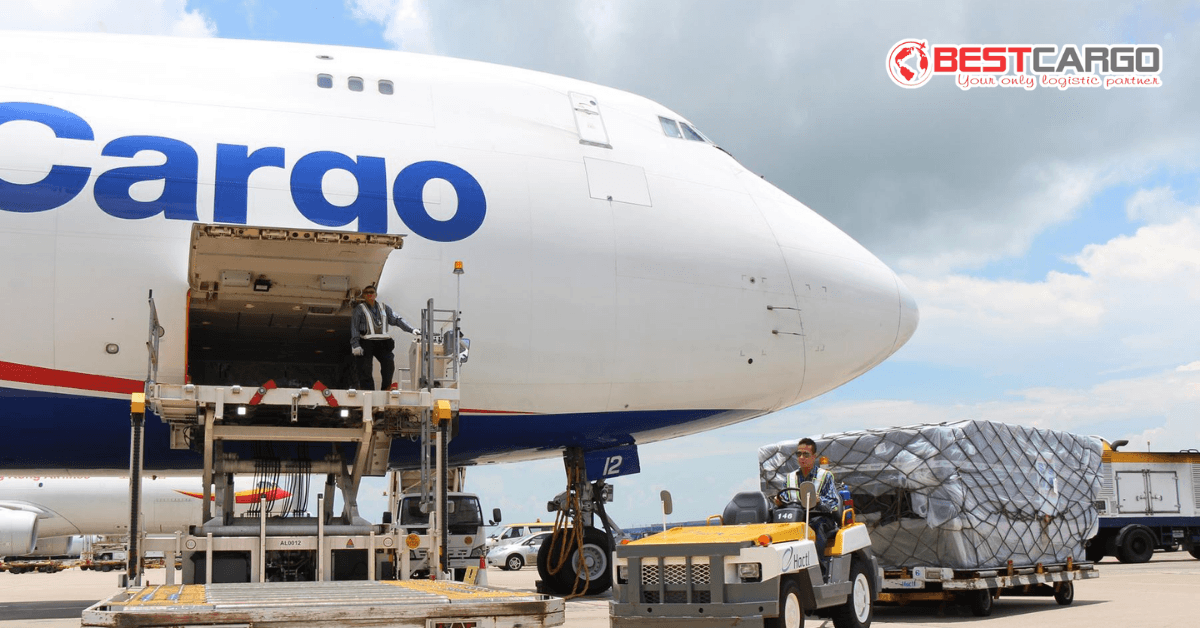
First, the cargo is unloaded from the aircraft and moved to the airport cargo terminal.
The shipment may then be checked against the airwaybill and other shipping documents.
For international cargo, customs procedures may also be required.
Depending on the type of goods, additional inspections or permits may be necessary.
Only after the required procedures are completed can the shipment move to the next stage.
When Can Goods Be Collected?
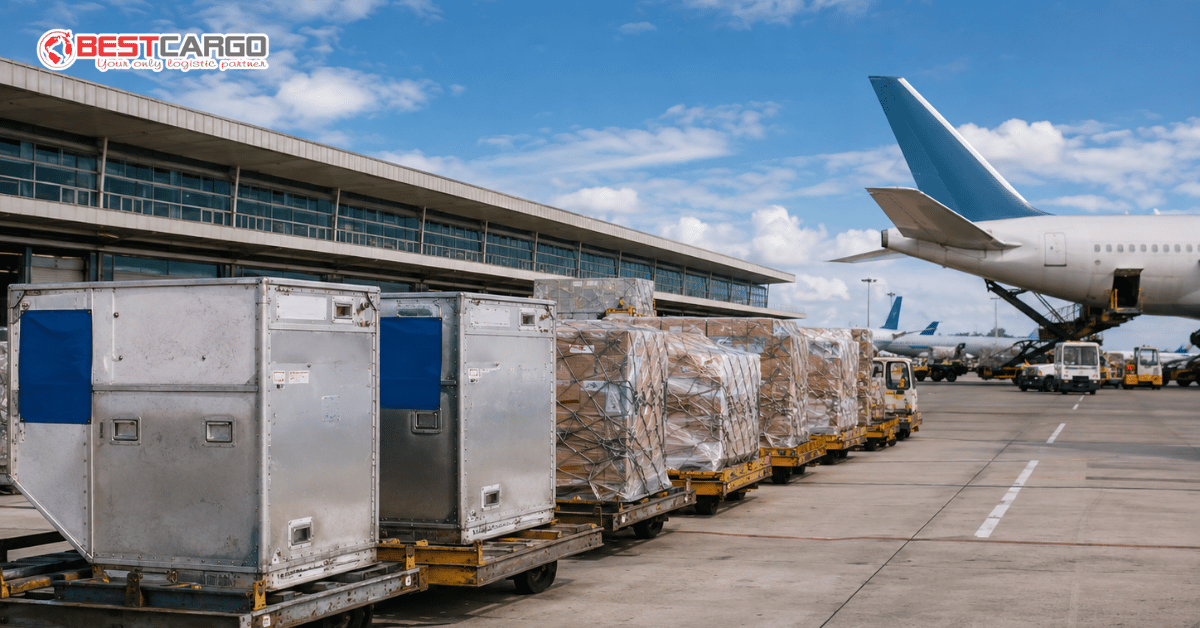
Goods can usually be collected after they have been released by the relevant parties.
The exact timing depends on several factors, including:
- Flight arrival time.
- Cargo handling procedures.
- Customs clearance.
- Document accuracy.
- Type of cargo.
- Payment of applicable charges.
- Release requirements at the destination.
For this reason, flight arrival time should not be considered the same as cargo collection time.
A shipment may arrive at the airport but still require additional processing before collection.
Is Cargo Release the Same as Customs Clearance?
Not exactly.
Customs clearance focuses on completing the required import procedures with customs authorities.
Cargo release refers more broadly to the authorization that allows the shipment to be collected or moved forward.
In many cases, customs clearance is one of the important steps required before cargo can be released.
Other requirements may also need to be completed.
What Documents May Be Needed for Cargo Collection?
The required documents depend on the shipment and destination.
Common documents may include:
- Air Waybill (AWB).
- Commercial Invoice.
- Packing List.
- Import declaration or customs documents.
- Delivery Order, if applicable.
- Identification or authorization documents.
The consignee should confirm the exact requirements with the airline, cargo terminal, customs broker, or freight forwarder.
Incorrect or incomplete documents can delay the release process.
Why Can Cargo Release Be Delayed?
Several issues can cause delays.
One common reason is incorrect shipping information.
For example, the details on the Commercial Invoice may not match the actual cargo.
Customs inspections can also delay the process.
Additional delays may occur if import duties, taxes, storage charges, or other applicable fees have not been completed.
Special cargo may require additional checks.
This can apply to food, pharmaceuticals, animals, dangerous goods, and other regulated products.
How Can Importers Avoid Delays?
Preparation is one of the best ways to reduce delays.
Importers should make sure that shipping documents are complete and accurate before the cargo arrives.
They should also check the import requirements of the destination country.
If customs duties or other charges apply, businesses should prepare for payment in advance.
Working with an experienced freight forwarder can also make the process easier.
A logistics provider can help monitor the shipment and coordinate the necessary release procedures.
What Happens After Cargo Release?
After cargo release, the shipment can usually be collected by the authorized party.
For airport-to-airport shipments, the consignee or an authorized agent may arrange collection from the cargo terminal.
For door-to-door services, the freight forwarder may continue with customs clearance and final delivery.
The next step depends on the shipping service selected.
Why Is Cargo Release Important in Air Freight?
Cargo release directly affects delivery time.
A shipment can arrive on schedule but still be delayed if release procedures are incomplete.
For businesses shipping time-sensitive products, understanding this process is especially important.
Importers should therefore plan not only for the flight transit time but also for cargo handling and clearance after arrival.
Frequently Asked Questions
1. What does cargo release mean?
Cargo release means that a shipment has completed the necessary release procedures and can be collected or moved to the next stage of delivery.
2. Can I collect my goods immediately after the flight arrives?
Usually not. The cargo may still need to be unloaded, processed, checked, and cleared before collection.
3. Is cargo release the same as customs clearance?
No. Customs clearance is often part of the overall process, while cargo release refers to the authorization for the shipment to be collected or delivered.
4. What can delay cargo release?
Common reasons include incorrect documents, customs inspections, unpaid charges, missing permits, and additional checks for regulated cargo.
5. Who can collect released cargo?
The authorized consignee, freight forwarder, or another approved representative can usually collect the shipment after the necessary requirements are completed.
Conclusion
Cargo release is a key stage in international air freight. It determines when a shipment can be collected or moved to its next destination.
The arrival of an aircraft does not always mean the cargo is immediately available. Importers may still need to complete document checks, customs procedures, and other release requirements.
By preparing documents in advance and working with an experienced logistics provider, businesses can reduce delays and make the cargo collection process more efficient.
Read more:
