


Airbus A350F Completes Its First Test Flight
The Airbus A350F has successfully completed its first test flight, marking a major milestone in the development of next-generation cargo aircraft. The aircraft took off from Toulouse, France, on September 29, 2026.
The first flight lasted 4 hours and 10 minutes. The aircraft reached an altitude of 25,000 feet during the mission.
This achievement marks the beginning of an extensive flight test campaign. It also brings Airbus closer to introducing a new freighter for the global air cargo market.
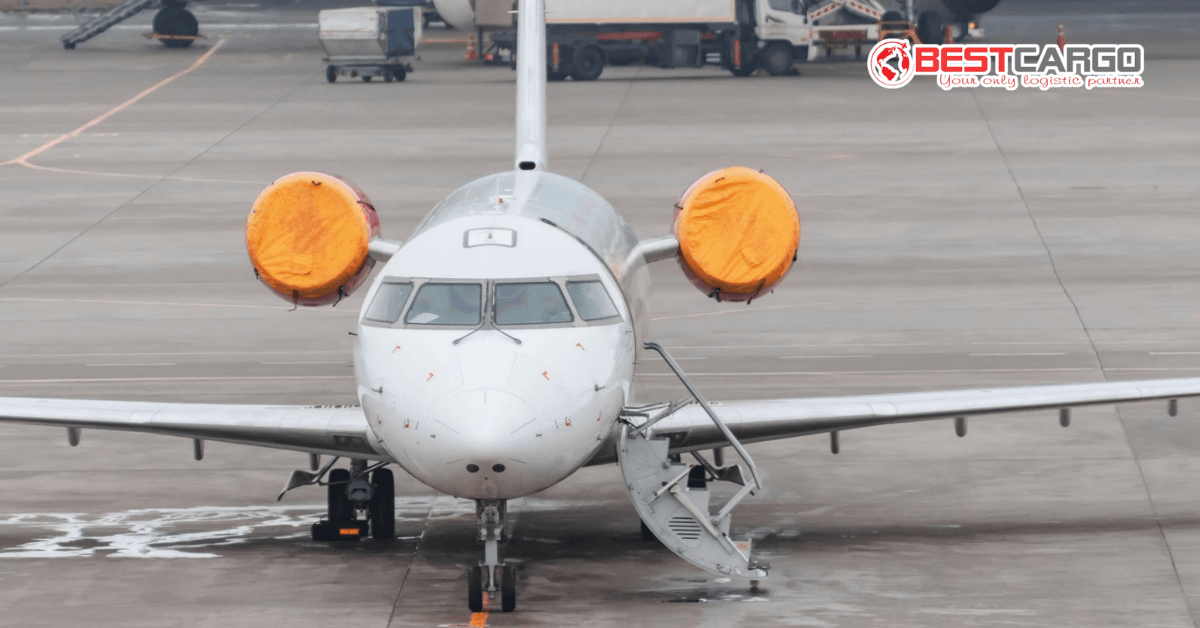
Airbus A350F Completes Its Maiden Flight
The first A350F test aircraft carries the manufacturer serial number MSN 700. It is equipped with specialized flight test instrumentation.
During the maiden flight, the Airbus test crew examined several key areas:
- Basic airworthiness.
- Aircraft handling and flight characteristics.
- Engine performance.
- Primary aircraft systems.
- Communication and navigation systems.
These tests help engineers compare actual flight performance with their predictions. The results will guide further testing and development.
The flight also marks the start of a certification campaign lasting more than nine months. Airbus will use two test aircraft to evaluate the freighter before certification.
Key Specifications of the Airbus A350F
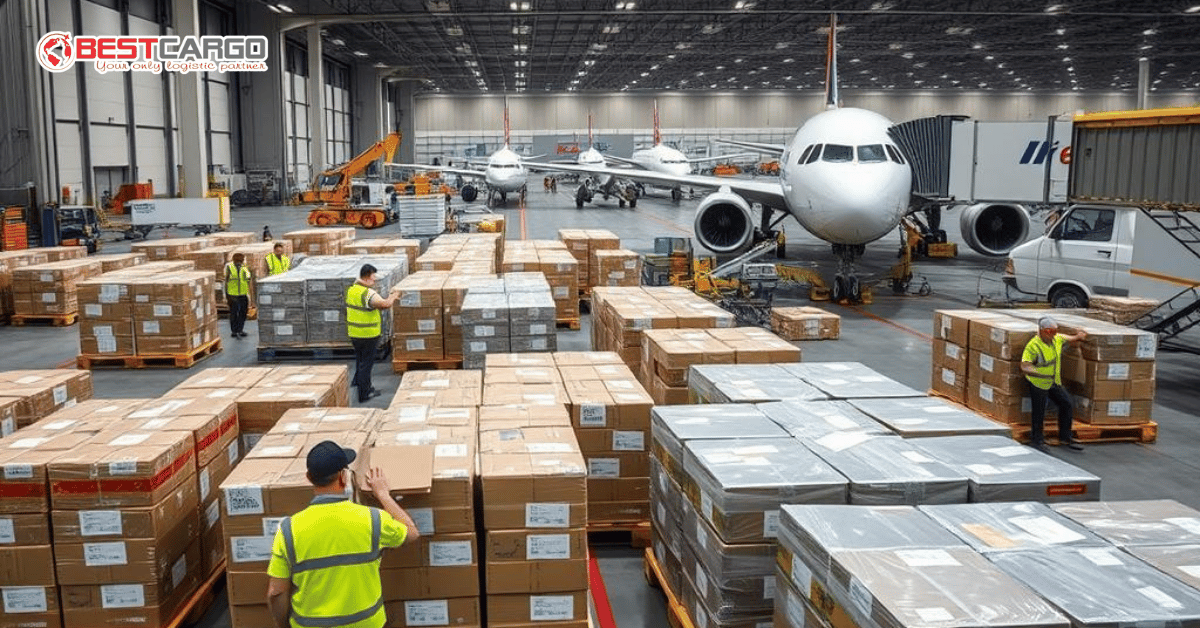
The A350F is a new-generation widebody freighter. It builds on the Airbus A350 platform and targets the growing demand for efficient cargo transportation.
Its main capabilities include:
- Maximum payload: Up to 111 tonnes.
- Range: Up to 8,700 kilometres.
- Main-deck cargo door: 4.3 metres wide.
- Engines: Rolls-Royce Trent XWB-97.
- Aircraft structure: Extensive use of advanced composite materials.
These features make the aircraft suitable for long-haul cargo operations. Its large cargo door also supports the loading of oversized shipments.
Potential cargo includes industrial equipment, machinery, electronics, and other commercial goods. Airlines can use the aircraft to serve international freight routes.
How the A350F Could Improve Air Cargo Efficiency
Fuel efficiency is a major priority for cargo airlines. Fuel represents a significant operating cost for long-haul flights.
Airbus says the A350F can reduce fuel consumption and carbon emissions by up to 40% compared with competing aircraft offering similar payload and range capabilities.
The aircraft combines advanced aerodynamics with a lightweight composite structure. Its Rolls-Royce Trent XWB-97 engines also support efficient operations.
These technologies could help airlines reduce operating costs. They may also support efforts to lower emissions across the air cargo industry.
The A350F is designed to meet the latest International Civil Aviation Organization (ICAO) CO₂ emission standards. This is an important consideration as environmental requirements become stricter.
What Makes the A350F Different?
The A350F is designed specifically for cargo operations. Its features go beyond the conversion of a passenger aircraft into a freighter.
One key feature is its large main-deck cargo door. The opening measures 4.3 metres in width and 3.15 metres in height.
This design can simplify the handling of large cargo items. It may also improve loading and unloading efficiency.
The aircraft uses composite materials to reduce structural weight. Its design also supports the use of modern cargo loading systems.
Together, these features aim to improve operational flexibility. They could help airlines handle a wider range of freight shipments. <Cite refs={[“turn835882search4″,”turn835882search9″,”turn835882search10”]}/>
Market Demand for the Airbus A350F
The A350F is entering a competitive market for large freighters. Airlines are seeking aircraft with better efficiency and lower emissions.
Airbus reported 115 orders from 14 disclosed customers at the end of August 2026. This indicates strong interest in the new aircraft.
The A350F will compete in a market that includes established freighters from Boeing. Its fuel efficiency, payload capacity, and modern design are central to its commercial appeal.
However, the aircraft must complete its testing and certification process before entering service. Airlines will also need to prepare their operations for the new model.
What Does This Mean for the Future of Air Freight?
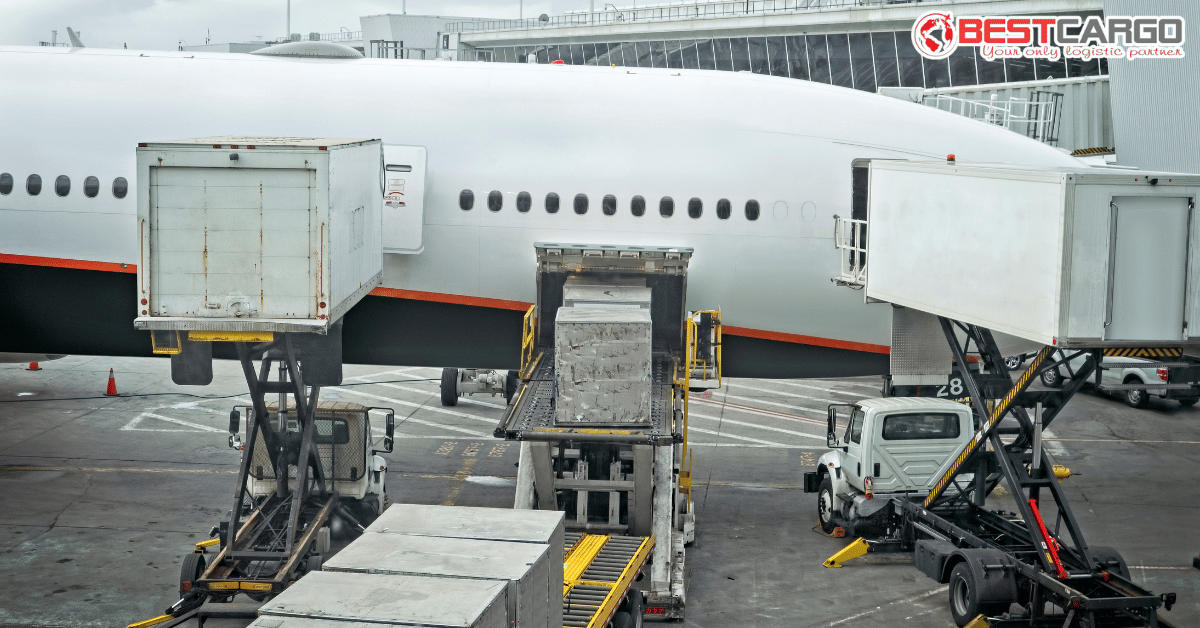
The first flight represents an important step toward a new generation of cargo aircraft. It also reflects broader changes in international logistics.
Several trends are shaping the industry:
- Growing demand for international cargo capacity.
- Greater focus on fuel efficiency.
- Increasing pressure to reduce carbon emissions.
- Demand for flexible long-haul transportation.
- Continued investment in modern aircraft technology.
For logistics providers, newer freighters could create additional options for international transportation. However, actual benefits will depend on aircraft availability, route networks, and airline operating plans.
Frequently Asked Questions
1. When did the Airbus A350F complete its first flight?
The aircraft completed its maiden flight on September 29, 2026, in Toulouse, France.
2. How long did the first test flight last?
The flight lasted 4 hours and 10 minutes. The aircraft reached an altitude of 25,000 feet.
3. How much cargo can the A350F carry?
The A350F has a maximum payload capacity of up to 111 tonnes.
4. How far can the Airbus A350F fly?
The aircraft has a range capability of up to 8,700 kilometres, depending on operating conditions and payload.
5. When will the A350F enter commercial service?
The aircraft must complete its flight testing and certification first. Airbus has not yet begun commercial operations with the A350F.
Conclusion
The Airbus A350F’s first test flight marks a major milestone for the global air cargo industry. The aircraft combines high payload capacity, long-haul range, and advanced fuel-saving technology.
As testing continues, Airbus will work toward certification and future customer deliveries. If the programme progresses successfully, the A350F could become an important option for airlines seeking more efficient cargo operations.
Read more:
Southeast Asia Emerges as Asia’s New Logistics Hub
Gửi bột thạch sương sáo từ Hà Nội sang Mỹ
