


Trade Shows Help Freight Forwarders Build Global Partnerships
International trade shows play an important role in the logistics industry. They bring together freight forwarders, airlines, shipping companies, manufacturers, exporters, and technology providers from different countries.
For freight forwarders, these events create valuable opportunities to build business relationships, discover new markets, and develop reliable international shipping networks. Face-to-face meetings also help companies understand potential partners before entering into long-term business agreements.
As global trade becomes more interconnected, participating in logistics exhibitions can help freight forwarders strengthen their competitiveness and expand their international presence.
What Are Logistics Trade Shows?
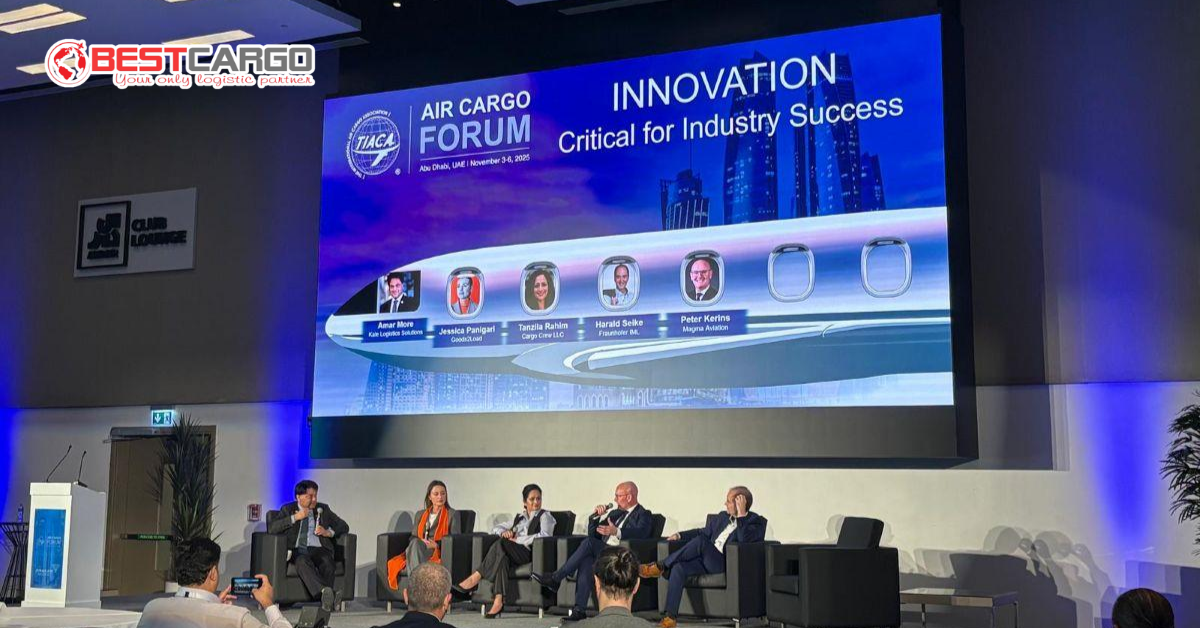
Logistics trade shows are industry events where companies present their services, technologies, and business solutions. They may focus on air cargo, ocean freight, warehousing, supply chain management, or transportation technology.
Common participants include:
- Freight forwarders and logistics providers.
- Airlines and air cargo operators.
- Shipping lines and cargo agents.
- Customs brokers.
- Warehouse and distribution companies.
- Manufacturers and exporters.
- Logistics technology providers.
These events provide a shared platform for companies to exchange information, explore partnerships, and discuss industry developments.
Why Are Trade Shows Important for Freight Forwarders?
Freight forwarders rely on international networks to arrange shipments between countries. A strong partner network can improve service coverage, delivery coordination, and customer support.
Trade shows help freight forwarders develop these relationships in several ways.
1. Expanding International Agent Networks
A reliable overseas agent can help manage cargo at the destination. Services may include customs clearance coordination, cargo handling, local transportation, and final delivery.
Trade shows allow freight forwarders to meet potential agents from different regions.
These connections can help companies expand into new markets without establishing their own offices in every country.
For example, a Vietnamese freight forwarder may meet a logistics company in Germany to discuss shipments between Vietnam and Europe. Both companies can explore cooperation on pricing, shipment handling, and customer service.
2. Connecting with Airlines and Cargo Operators
Airline relationships are important for freight forwarders that arrange international air cargo shipments.
Trade shows provide opportunities to meet airline representatives and cargo operators. Discussions may cover available routes, cargo capacity, service schedules, and handling requirements.
These conversations help freight forwarders understand available shipping options and identify potential solutions for customers.
However, actual rates and cargo space remain subject to individual agreements and availability.
3. Finding New Customers
Trade shows attract businesses that need transportation and supply chain services.
Freight forwarders can meet exporters, importers, manufacturers, and retailers seeking logistics partners.
These conversations help companies understand customer requirements, including:
- Preferred shipping routes.
- Cargo types and shipment volumes.
- Delivery schedules.
- Customs clearance needs.
- Warehousing and distribution services.
By understanding these needs, freight forwarders can develop more relevant service proposals.
4. Building Trust Through Face-to-Face Meetings
Trust is essential in international logistics. Shipments often involve multiple companies across different countries.
Meeting potential partners in person helps businesses discuss expectations, working procedures, and service standards.
Face-to-face communication can also make it easier to identify compatible partners and clarify responsibilities before cooperation begins.
After the event, companies should continue discussions and verify potential partners before exchanging sensitive information or confirming business agreements.
How Trade Shows Support Air Freight Partnerships
Air freight requires coordination between several parties. These may include the shipper, freight forwarder, airline, destination agent, customs broker, and consignee.
Trade shows help these parties discuss how to improve their cooperation.
Route Development
Freight forwarders can explore new origin-destination routes with airlines and overseas agents.
This is particularly useful when customers need shipments to markets that the forwarder does not currently serve directly.
Specialized Cargo Services
Some partners specialize in particular cargo categories, such as pharmaceuticals, perishables, dangerous goods, or high-value products.
Trade shows help freight forwarders identify providers with the relevant expertise and facilities.
Service Coordination
Partners can discuss shipment booking, documentation, cargo handover, tracking, and exception handling.
Clear procedures help reduce communication gaps and improve the customer experience.
How to Prepare for a Logistics Trade Show
Attending an event without a clear plan can limit its business value. Freight forwarders should prepare before arriving.
1. Set Clear Business Objectives
Define what the company wants to achieve.
Objectives may include finding destination agents, meeting airline representatives, attracting new customers, or exploring a new market.
2. Research Potential Partners
Review the exhibitor list and identify companies that match the business objectives.
Prioritize organizations with relevant routes, services, industry experience, and geographic coverage.
3. Prepare Company Materials
Bring a concise company profile and service overview.
Useful materials include:
- Company introduction.
- Main shipping routes.
- Air freight and ocean freight services.
- Specialized cargo capabilities.
- Contact information.
- Business cards or digital contact details.
4. Schedule Meetings in Advance
Contact priority companies before the event to arrange meetings.
A planned schedule helps businesses use their time effectively and ensures that important discussions are not missed.
5. Follow Up After the Event
Send follow-up messages soon after meeting potential partners.
Summarize the discussion, confirm the next steps, and request any information needed to evaluate the opportunity.
Consistent follow-up is essential for turning initial conversations into working relationships.
How to Evaluate Potential Logistics Partners
Not every contact made at a trade show will be a suitable partner. Freight forwarders should evaluate potential partners carefully.
Important factors include:
- Relevant industry experience.
- Geographic coverage.
- Service capabilities.
- Communication and response times.
- Operational procedures.
- Financial reliability.
- References and business credentials.
- Applicable licenses and certifications.
Companies should also clarify rates, payment terms, liability, cargo insurance arrangements, and procedures for handling shipment disruptions.
A written agreement can help define responsibilities and reduce misunderstandings.
Measuring the Business Value of Trade Shows
Trade show results should be measured beyond the number of business cards collected.
Freight forwarders can track several indicators:
- Number of qualified partner contacts.
- Number of follow-up meetings.
- Partnership agreements established.
- New customer inquiries.
- New shipping routes developed.
- Shipment volume generated after the event.
- Revenue compared with participation costs.
These indicators help companies evaluate the effectiveness of each event and improve their strategy for future exhibitions.
Frequently Asked Questions
1. Why should freight forwarders attend international trade shows?
Trade shows help freight forwarders meet potential partners, find customers, explore new routes, and learn about logistics technologies.
2. Can trade shows help small freight forwarding companies expand internationally?
Yes. Smaller companies can build overseas agent networks and explore new markets without immediately opening foreign offices.
3. How can freight forwarders find reliable partners at trade shows?
They should research companies in advance, review their credentials, discuss service capabilities, check references, and verify business terms before cooperation.
4. What should freight forwarders do after a trade show?
They should follow up with priority contacts, exchange relevant information, arrange further meetings, and establish clear next steps.
5. How can companies measure trade show success?
They can evaluate qualified contacts, new partnerships, customer leads, shipping volume, revenue, and the overall cost of participation.
Conclusion
Trade shows offer freight forwarders valuable opportunities to build global partnerships, expand service networks, and discover new business opportunities. By preparing carefully, meeting suitable partners, and following up consistently, companies can turn industry connections into long-term cooperation.
For air freight businesses, strong international partnerships can improve route coverage, cargo coordination, and customer service. A strategic approach to trade show participation can therefore support sustainable growth in the global logistics market.
Read more:
Southeast Asia Emerges as Asia’s New Logistics Hub
Gửi bột thạch sương sáo từ Hà Nội sang Mỹ
