



ULD in Air Cargo: Specialized Pallets and Containers for Air Freight
ULD in Air Cargo plays an essential role in modern air freight operations by helping airlines transport cargo safely, efficiently, and securely. ULD stands for Unit Load Device, a specialized pallet or container designed to fit aircraft cargo compartments and support efficient cargo handling.
ULDs allow airlines and freight forwarders to consolidate multiple shipments into standardized units, reducing loading time, improving cargo organization, and minimizing handling risks throughout international transportation.

What Is ULD in Air Cargo?
A Unit Load Device (ULD) is an aviation-specific equipment used to group and secure cargo for transportation by aircraft.
ULDs are designed according to aircraft specifications to ensure compatibility with cargo compartments and loading systems.
There are two main types of ULD:
- ULD Pallets: Flat platforms used to hold cargo secured with nets or straps.
- ULD Containers: Enclosed units designed to protect cargo and organize shipments during transportation.
ULDs are widely used in international air cargo operations, particularly for large-volume shipments and commercial freight.
Why Are ULDs Important in Air Freight?

ULDs help improve operational efficiency across the air cargo supply chain.
Their main advantages include:
Faster Cargo Handling
Multiple shipments can be loaded onto a single ULD instead of handling every package individually.
This reduces loading and unloading time at airport cargo terminals.
Improved Cargo Safety
ULD pallets and containers help secure cargo and reduce movement during aircraft transportation.
Proper restraint systems also minimize the risk of cargo shifting during flight.
Better Space Utilization
ULDs are designed to fit aircraft cargo compartments.
This allows airlines to optimize available cargo space and improve aircraft loading efficiency.
Reduced Handling Risks
Consolidating shipments into ULDs reduces the number of individual handling operations.
This can help minimize damage, loss, and handling errors.
Efficient Cargo Organization
ULDs support shipment grouping by destination, flight, cargo type, and handling requirements.
This improves cargo management throughout the transportation process.
Types of ULD Used in Air Cargo
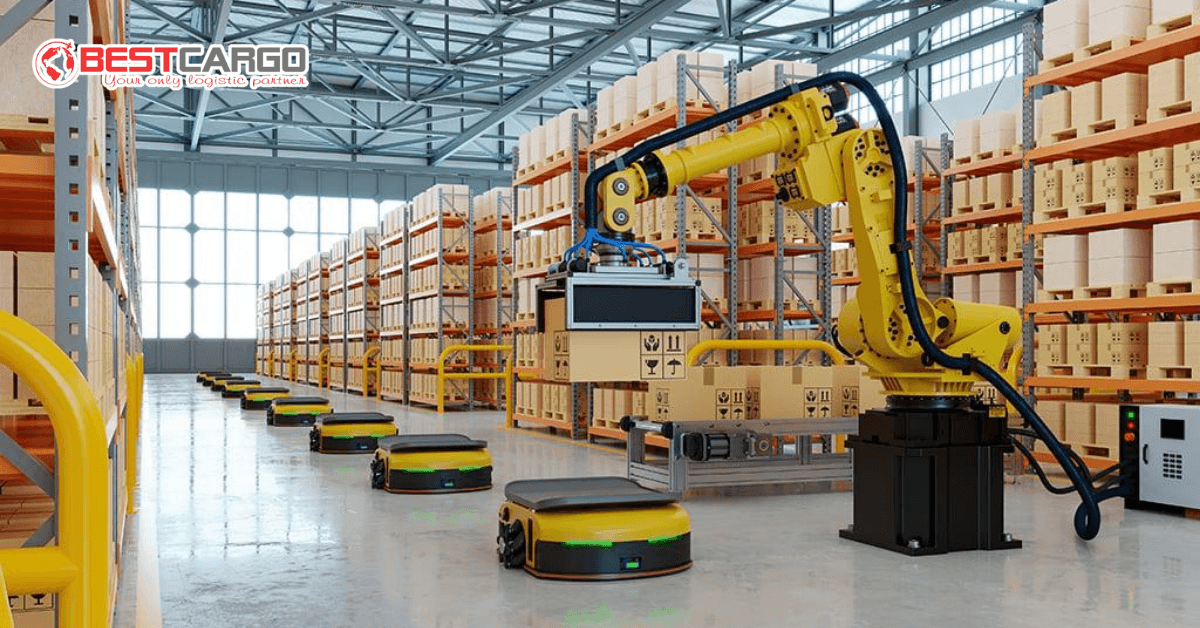
Different ULD types are designed for specific aircraft configurations and cargo requirements.
ULD Pallets
ULD pallets are flat platforms used to transport cargo secured by nets or straps.
They are suitable for:
- General cargo.
- Industrial equipment.
- Large cartons.
- Heavy shipments.
- Cargo requiring flexible loading arrangements.
Common pallet types include PAG, PMC, and PLA, depending on their dimensions and aircraft compatibility.
ULD Containers
ULD containers provide enclosed structures for transporting cargo.
They are commonly used for:
- General cargo.
- Baggage.
- Valuable shipments.
- Pharmaceutical products.
- Temperature-sensitive cargo.
One widely used container type is the LD3 container, which is commonly associated with wide-body aircraft cargo operations.
Specialized ULD Containers
Some ULDs are designed for specific transportation requirements.
Examples include:
- Temperature-controlled containers.
- Ventilated containers.
- Garment containers.
- Animal transport containers.
- Containers designed for specialized cargo.
These solutions support cargo requiring additional protection or controlled transportation conditions.
How Does ULD Loading Work?
ULD loading involves several coordinated operations.
A typical process includes:
- Cargo arrives at the airport warehouse.
- Shipments are inspected and accepted.
- Cargo is grouped according to flight and destination.
- Packages are loaded onto ULD pallets or into containers.
- Cargo is secured using nets, straps, or restraint systems.
- ULDs are weighed and documented.
- ULDs are transferred to aircraft loading equipment.
- Cargo is loaded into the aircraft compartment.
Proper loading procedures help ensure aircraft safety and efficient cargo transportation.
ULD Identification and Tracking
Each ULD has a unique identification code that allows airlines and cargo operators to identify and manage the equipment.
ULD identification generally includes:
- ULD type code.
- Serial number.
- Owner or operator code.
Tracking information helps airlines monitor ULD availability, movement, location, and operational status.
Digital ULD management systems can improve equipment utilization and reduce the risk of misplaced or unavailable units.
ULD Management Challenges
Although ULDs improve cargo handling efficiency, airlines and logistics providers must manage several operational challenges.
Common issues include:
- ULD shortages.
- Equipment damage.
- Incorrect ULD allocation.
- Delayed ULD returns.
- Poor equipment utilization.
- Inefficient inventory management.
Regular inspection, maintenance, tracking, and equipment planning are important for maintaining reliable air cargo operations.
ULD and Air Cargo Safety
ULDs contribute to aircraft safety by helping secure cargo within aircraft compartments.
However, ULDs must comply with applicable aviation requirements and operational procedures.
Important considerations include:
- Correct ULD selection.
- Weight limitations.
- Proper cargo restraint.
- Equipment inspection.
- Compatibility with aircraft loading systems.
- Compliance with cargo handling procedures.
Incorrect loading or damaged ULD equipment may create operational and safety risks.
Frequently Asked Questions
What does ULD stand for in air cargo?
ULD stands for Unit Load Device, referring to specialized aircraft pallets and containers used to consolidate and transport cargo.
What is the difference between a ULD pallet and a ULD container?
A ULD pallet is a flat platform secured with nets or straps, while a ULD container is an enclosed unit designed to hold and protect cargo.
What is an LD3 container?
An LD3 is a commonly used aircraft container designed for compatible wide-body aircraft cargo compartments.
Are ULDs used on every cargo aircraft?
ULDs are widely used on aircraft equipped with compatible cargo loading systems. Smaller aircraft and certain cargo operations may use different loading arrangements.
Why is ULD tracking important?
ULD tracking helps airlines monitor equipment availability, location, movement, and utilization, improving cargo handling efficiency.
Conclusion
ULD in Air Cargo is an important component of modern air freight transportation. Specialized pallets and containers allow airlines to consolidate shipments, improve cargo handling efficiency, optimize aircraft space, and enhance transportation safety.
With proper ULD selection, loading procedures, equipment maintenance, and digital tracking, airlines and freight forwarders can improve operational performance and support more reliable international cargo transportation.
Read more:
Southeast Asia Emerges as Asia’s New Logistics Hub
Gửi bột thạch sương sáo từ Hà Nội sang Mỹ
