



Air Freight Rebooking: How to Rebook Cargo When a Flight Is Cancelled
Air Freight Rebooking is an essential process in international air cargo logistics when a scheduled flight is cancelled, delayed, or becomes unavailable. In these situations, freight forwarders and airlines must arrange alternative transportation to ensure cargo reaches its destination as efficiently as possible.
Flight cancellations can occur because of weather conditions, operational disruptions, aircraft issues, airport congestion, or changes in airline schedules. Understanding the rebooking process helps businesses minimize shipping delays, control additional costs, and maintain reliable international deliveries.
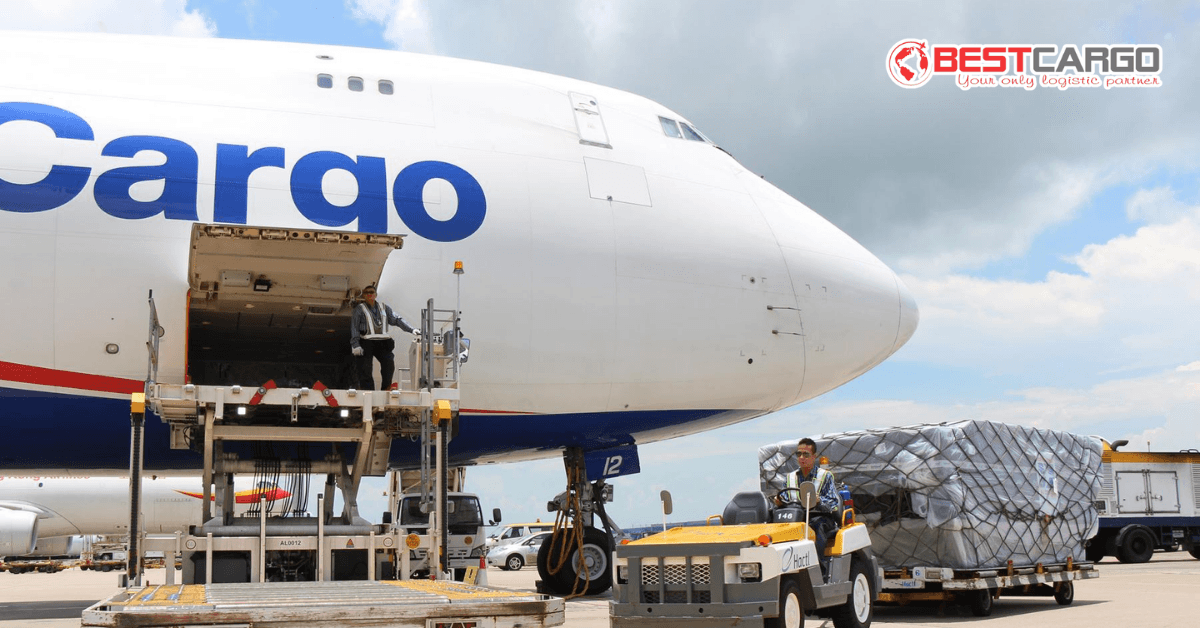
What Is Air Freight Rebooking?
Air freight rebooking refers to the process of arranging a new flight for cargo that cannot be transported on its originally scheduled flight.
Instead of cancelling the entire shipment, the airline or freight forwarder searches for alternative flight options based on cargo availability, destination, and transportation requirements.
A rebooking may involve:
- Moving cargo to the next available flight.
- Changing the airline.
- Selecting an alternative routing.
- Transferring cargo through another transit hub.
- Adjusting the shipment’s departure schedule.
The objective is to minimize disruption while maintaining cargo safety and shipment integrity.
Why Do Air Freight Shipments Need Rebooking?
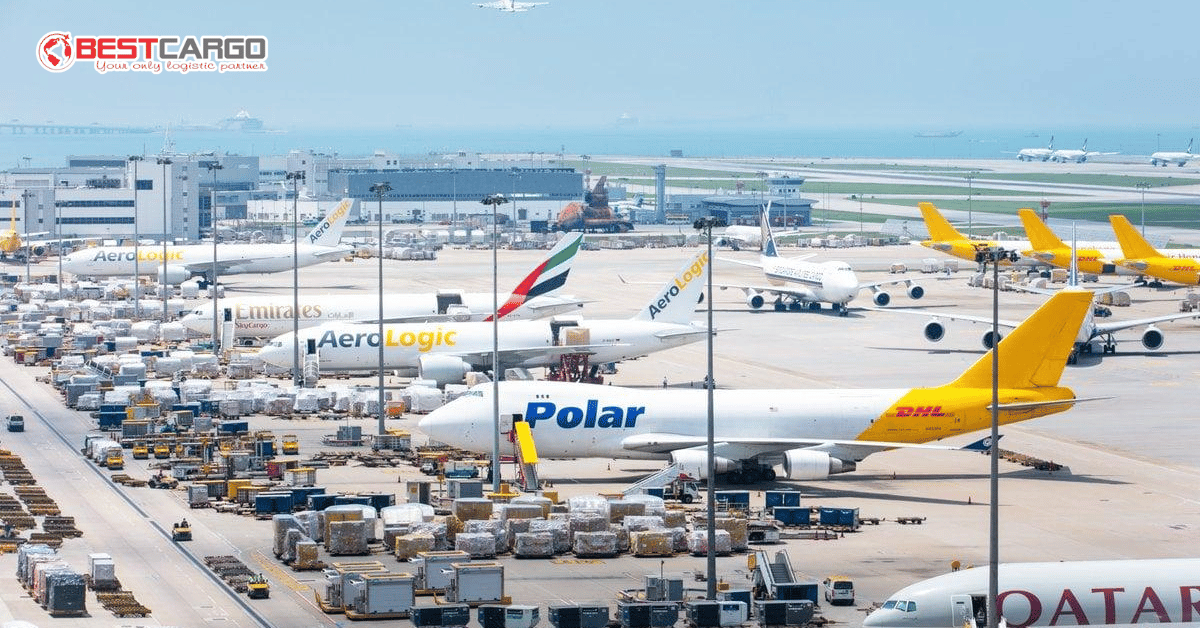
Several situations can require cargo rebooking.
Flight Cancellation
When an airline cancels a scheduled flight, cargo booked on that flight may need to be transferred to another departure.
Aircraft Changes
An aircraft replacement may reduce cargo capacity, causing some shipments to be rebooked.
Weather Disruptions
Severe weather can affect airport operations and flight schedules, resulting in cargo delays or cancellations.
Airport Congestion
Heavy cargo volumes or airport congestion may prevent shipments from being loaded as planned.
Operational Restrictions
Airlines may adjust schedules or cargo allocations because of operational requirements, safety considerations, or network changes.
These situations can affect shipment timing and transportation costs.
Air Freight Rebooking Process
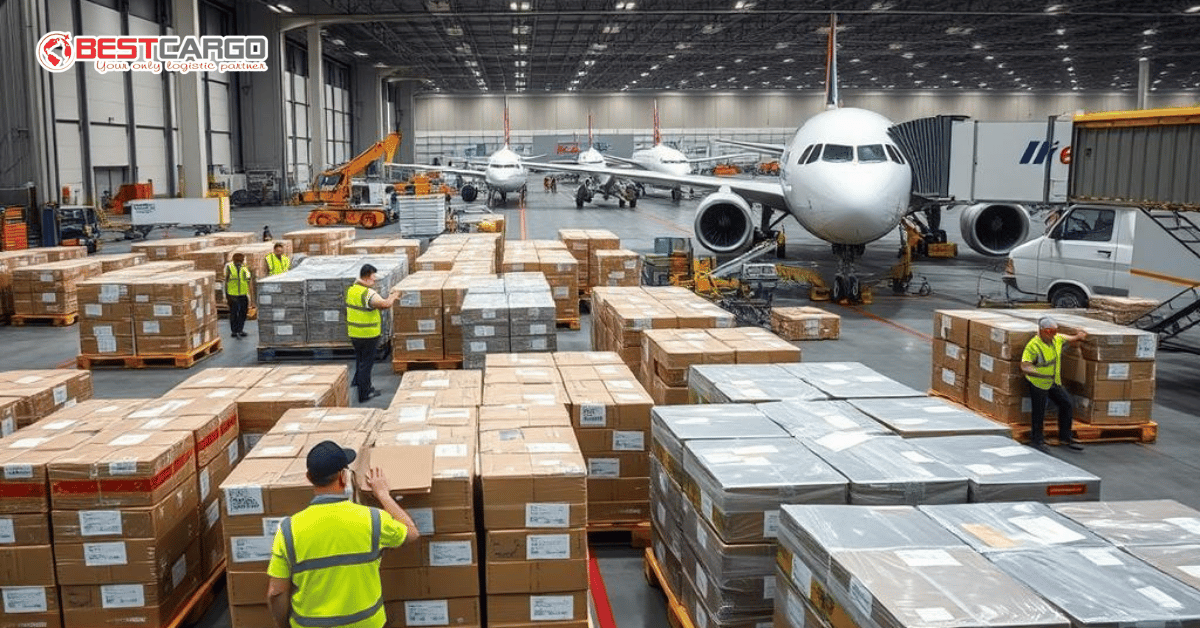
A typical air freight rebooking process involves several coordinated steps.
Step 1: Confirm the Flight Disruption
The freight forwarder receives notification from the airline regarding the cancelled or unavailable flight.
The shipment’s booking status and cargo location are checked to determine the next available transportation option.
Step 2: Contact the Airline
The freight forwarder communicates with the airline to confirm:
- Reason for cancellation.
- Cargo status.
- Available alternative flights.
- Estimated departure time.
- Rebooking conditions.
This information helps determine the most suitable solution.
Step 3: Identify Alternative Flight Options
The freight forwarder evaluates alternative routes and schedules.
Possible options include:
- The next available flight on the same airline.
- An alternative airline.
- A different transit airport.
- A revised routing through another cargo hub.
The selected option depends on cargo availability, destination, service requirements, and cost.
Step 4: Confirm the New Booking
Once an alternative flight is identified, the freight forwarder confirms the new booking with the airline.
Depending on the situation, the booking reference, flight details, and estimated departure time may be updated.
Step 5: Update Shipment Information
The freight forwarder informs the shipper or consignee about the revised transportation schedule.
Important information includes:
- New flight number.
- Revised departure date.
- Estimated arrival time.
- Updated transit route.
- Potential additional charges.
Clear communication helps businesses adjust their delivery plans.
Step 6: Monitor Cargo Until Departure
After rebooking, the freight forwarder continues monitoring the shipment.
Cargo status should be checked until the shipment is successfully loaded onto the replacement flight.
This helps reduce the risk of further delays.
What Documents Need to Be Updated?
Air freight rebooking does not always require completely new shipping documents.
However, some information may need to be revised depending on the airline’s procedures and the nature of the disruption.
Documents and information that may require updates include:
- Air Waybill (AWB) information.
- Flight details.
- Booking confirmation.
- Shipment tracking records.
- Cargo manifest information.
The freight forwarder should coordinate with the airline to ensure shipment information remains accurate and consistent.
How Does Rebooking Affect Shipping Costs?
Air freight rebooking may or may not result in additional charges.
Potential costs depend on the reason for disruption and the airline’s policies.
Possible charges include:
- Additional cargo handling fees.
- Storage charges.
- Rebooking fees.
- Alternative routing costs.
- Additional transportation expenses.
When a flight is cancelled by the airline, the rebooking conditions may differ from situations where the shipper requests a voluntary booking change.
Businesses should confirm applicable charges before accepting alternative transportation arrangements.
How to Minimize Air Freight Rebooking Delays
Although flight disruptions cannot always be avoided, businesses can reduce their impact through effective planning.
Recommended practices include:
Book Cargo Early
Early booking provides more time to secure suitable flight capacity and alternative transportation options.
Prepare Accurate Documentation
Complete and accurate shipping documents help prevent additional delays during rebooking.
Maintain Flexible Routing Options
Allowing alternative airlines or transit hubs can improve the chances of finding available cargo capacity.
Work with Experienced Freight Forwarders
Professional logistics providers can coordinate directly with airlines, identify alternative routes, and manage shipment updates efficiently.
Monitor Shipment Status
Regular tracking allows businesses to identify disruptions early and respond quickly.
Why Is Professional Logistics Support Important?
Air freight rebooking requires coordination between airlines, freight forwarders, airport cargo terminals, and customers.
An experienced logistics provider can help businesses:
- Confirm flight cancellation information.
- Arrange alternative bookings.
- Compare routing options.
- Coordinate cargo handling.
- Update shipment documentation.
- Monitor cargo departure.
- Communicate revised delivery schedules.
Professional support helps minimize disruption and improve shipment reliability.
Frequently Asked Questions
What is air freight rebooking?
Air freight rebooking is the process of arranging a new flight for cargo that cannot be transported on its originally scheduled flight.
Does flight cancellation mean cargo must be returned to the shipper?
Not necessarily. Cargo can often remain at the airport or airline warehouse until an alternative flight is arranged.
How long does air freight rebooking take?
The time required depends on available cargo capacity, airline schedules, destination, and operational conditions.
Can cargo be rebooked with another airline?
Yes. Alternative airlines may be considered when the original carrier cannot provide a suitable departure.
Does rebooking always increase shipping costs?
No. Additional charges depend on the cause of disruption, airline policies, storage requirements, and alternative routing arrangements.
Conclusion
Air Freight Rebooking is an important solution for managing flight cancellations and operational disruptions in international air cargo transportation. By arranging alternative flights, updating shipment information, and coordinating with airlines, freight forwarders can help businesses minimize delays and maintain reliable cargo delivery.
With proper planning, flexible routing options, and professional logistics support, companies can respond more effectively to flight disruptions and improve their overall air freight performance.
Read more:
Southeast Asia Emerges as Asia’s New Logistics Hub
Gửi bột thạch sương sáo từ Hà Nội sang Mỹ
