



Air Freight via Hub: Benefits of Shipping Cargo Through Transit Airports
Air Freight via Hub is a common international shipping solution that allows cargo to travel through a transit airport before reaching its final destination. Instead of flying directly between two airports, shipments are transferred through major aviation hubs such as Singapore, Hong Kong, Dubai, Doha, or Incheon.
This transportation method helps airlines and freight forwarders expand their global networks, optimize cargo capacity, and provide more flexible shipping options. For businesses involved in international trade, understanding air freight via hub can help improve shipping efficiency and control transportation costs.
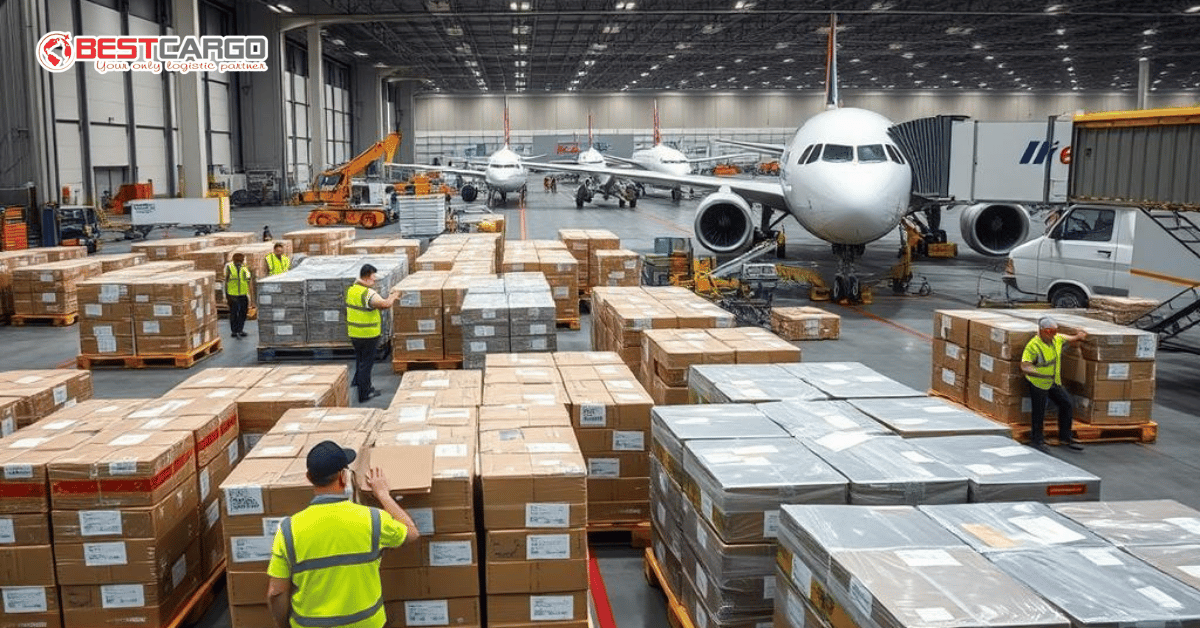
What Is Air Freight via Hub?
Air freight via hub refers to a transportation process in which cargo moves through an intermediate airport before continuing to its destination.
A typical shipment may follow this route:
Origin Airport → Transit Hub → Destination Airport
At the transit airport, cargo is transferred from one aircraft to another. Depending on the route and airline network, shipments may pass through one or multiple transit hubs.
This method is widely used when direct flights are unavailable, limited, or less suitable for the shipment.
Why Do Airlines Use Transit Hubs?
Airlines operate extensive international networks to connect different regions efficiently.
Transit hubs allow airlines to consolidate cargo from multiple origins and distribute shipments to various destinations.
Key advantages include:
- Better aircraft utilization.
- Wider international connectivity.
- More flexible flight schedules.
- Efficient cargo consolidation.
- Access to destinations without direct flights.
- Improved network efficiency.
For freight forwarders, hub-based transportation provides additional routing options and greater flexibility when arranging international shipments.
Major Air Cargo Transit Hubs
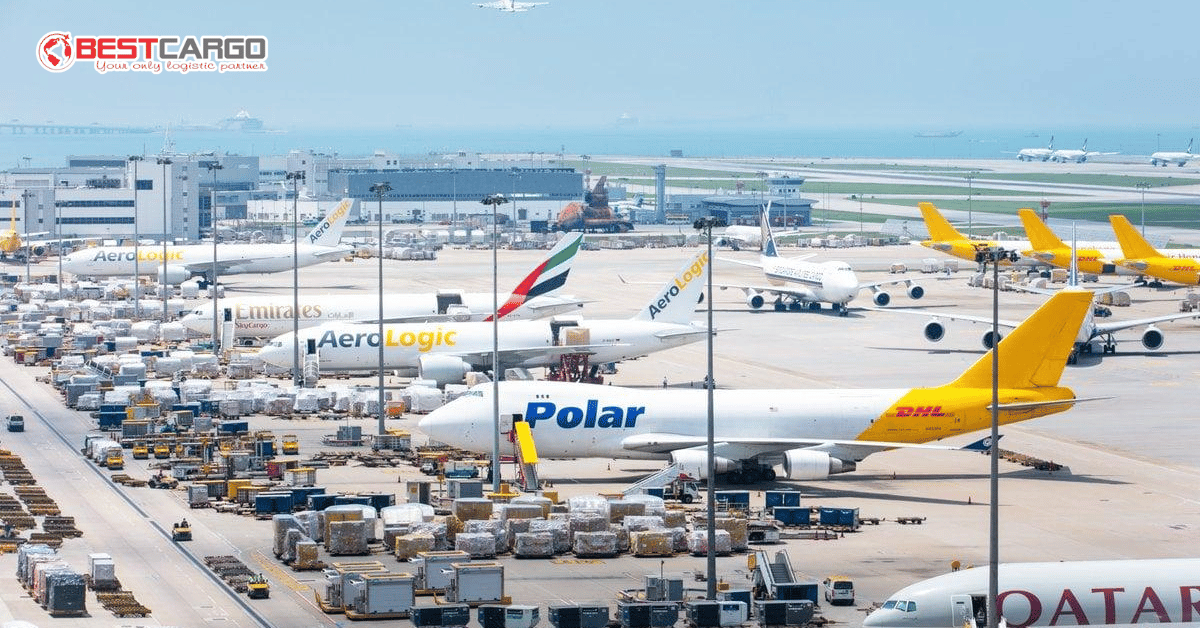
Several international airports play important roles in global air freight transportation.
Singapore Changi Airport
Singapore is a major logistics gateway in Southeast Asia.
Its strategic location and extensive flight connections make it an important transit hub for cargo moving between Asia, Europe, Australia, and North America.
Hong Kong International Airport
Hong Kong is one of the world’s leading air cargo gateways.
Its extensive cargo infrastructure and international connectivity support large volumes of international freight.
Dubai International Airport
Dubai connects major markets across Asia, Europe, Africa, and the Middle East.
Its geographical location makes it an important transit point for long-distance cargo transportation.
Doha Hamad International Airport
Doha serves as an important cargo hub connecting multiple international markets.
Its cargo network supports shipments between Asia, Europe, Africa, and the Americas.
Incheon International Airport
Incheon is a major air cargo gateway in Northeast Asia.
Its connectivity and logistics infrastructure make it suitable for cargo moving between Asia and international destinations.
Benefits of Air Freight via Hub

1. Wider Global Connectivity
Transit hubs provide access to destinations that may not have direct flights from the origin airport.
This allows businesses to ship cargo to more international markets.
2. More Flexible Flight Options
Hub-based transportation can provide additional routing and scheduling options.
Freight forwarders can select suitable connections depending on cargo requirements and available capacity.
3. Potential Cost Optimization
In some cases, routing cargo through a transit hub can offer more competitive freight rates than direct transportation.
This depends on airline networks, cargo demand, and available capacity.
4. Efficient Cargo Consolidation
Transit hubs allow airlines and logistics providers to consolidate shipments from multiple origins.
This improves cargo utilization and supports efficient international distribution.
5. Access to Specialized Cargo Services
Major transit airports often provide specialized handling facilities for:
- Pharmaceutical products.
- Perishable cargo.
- High-value shipments.
- Dangerous goods.
- Temperature-sensitive cargo.
These facilities support shipments requiring specific handling conditions.
Potential Challenges of Hub-Based Air Freight
Although air freight via hub offers many benefits, businesses should also consider possible limitations.
Common challenges include:
- Longer transit time compared with direct flights.
- Additional cargo handling.
- Risk of missed connections.
- Potential delays during cargo transfer.
- Additional handling or transit-related charges.
For urgent shipments, direct air freight may be a more suitable option.
How to Choose the Right Transit Hub?
Selecting the appropriate transit hub can significantly influence shipping performance.
Businesses should consider:
Transit Time
Compare total transportation time, including connection waiting periods.
Flight Frequency
Airports with frequent connections may provide more flexible shipping schedules.
Cargo Handling Capabilities
Specialized cargo may require specific facilities and handling procedures.
Freight Rates
Compare transportation costs across different routes and airline options.
Reliability
Choose routes with reliable connections and suitable cargo handling services.
Working with an experienced freight forwarder helps businesses identify the most suitable routing solution.
Air Freight via Hub vs Direct Air Freight
| Criteria | Air Freight via Hub | Direct Air Freight |
|---|---|---|
| Flight routing | Through transit airport | Direct route |
| Transit time | Usually longer | Usually shorter |
| Connectivity | Wider destination coverage | Limited to direct routes |
| Cargo handling | Additional transfer handling | Fewer transfer stages |
| Flight options | Often more flexible | Depends on direct flight availability |
| Cost | Potentially more competitive | May be higher on certain routes |
The most suitable option depends on shipment urgency, destination, cargo characteristics, and transportation budget.
Frequently Asked Questions
What is air freight via hub?
Air freight via hub is a transportation method where cargo travels through an intermediate airport before reaching its final destination.
Does shipping through a transit hub increase delivery time?
Usually, yes. Additional transfer and connection waiting times may increase the total transit time.
Is air freight via hub cheaper than direct air freight?
It can be more competitive depending on airline capacity, routing, and market conditions.
Which airports are commonly used as air cargo transit hubs?
Singapore, Hong Kong, Dubai, Doha, and Incheon are among the major international cargo hubs.
Is hub-based air freight suitable for urgent shipments?
It can be suitable if connections are reliable and transit time meets the delivery requirements. Direct air freight is generally preferable for extremely urgent cargo.
Conclusion
Air Freight via Hub provides businesses with greater international connectivity, flexible routing options, and potential transportation cost advantages. By utilizing major transit airports, airlines and freight forwarders can connect cargo to destinations that may not be accessible through direct flights.
However, businesses should carefully evaluate transit time, connection reliability, cargo handling requirements, and freight rates before selecting a routing solution.
With support from a professional logistics provider, companies can optimize their air freight routes, improve shipment efficiency, and strengthen their international supply chain.
Read more:
Southeast Asia Emerges as Asia’s New Logistics Hub
Gửi bột thạch sương sáo từ Hà Nội sang Mỹ
