



Cargo and Shipping Document Discrepancies: Risks and How to Resolve Them
In international logistics, accurate documentation is essential for smooth cargo transportation and customs clearance. However, businesses sometimes face situations where the actual goods do not match the information stated in shipping documents.
These cargo and shipping document discrepancies can lead to customs inspections, shipment delays, additional charges, or even cargo rejection.
Understanding the common causes and knowing how to resolve discrepancies can help exporters reduce risks and maintain efficient international shipping operations.

What Are Cargo and Shipping Document Discrepancies?
Cargo and shipping document discrepancies occur when the actual shipment information differs from the details recorded in transportation or customs documents.
These differences may involve product descriptions, quantities, weights, dimensions, packaging, or other shipment details.
Common documents that need to match the actual cargo include:
- Commercial Invoice.
- Packing List.
- Air Waybill (AWB).
- Customs Declaration.
- Certificate of Origin (if applicable).
- Product certificates and inspection documents.
Even minor inconsistencies may require additional verification by airlines, freight forwarders, or customs authorities.
Common Types of Cargo and Document Discrepancies
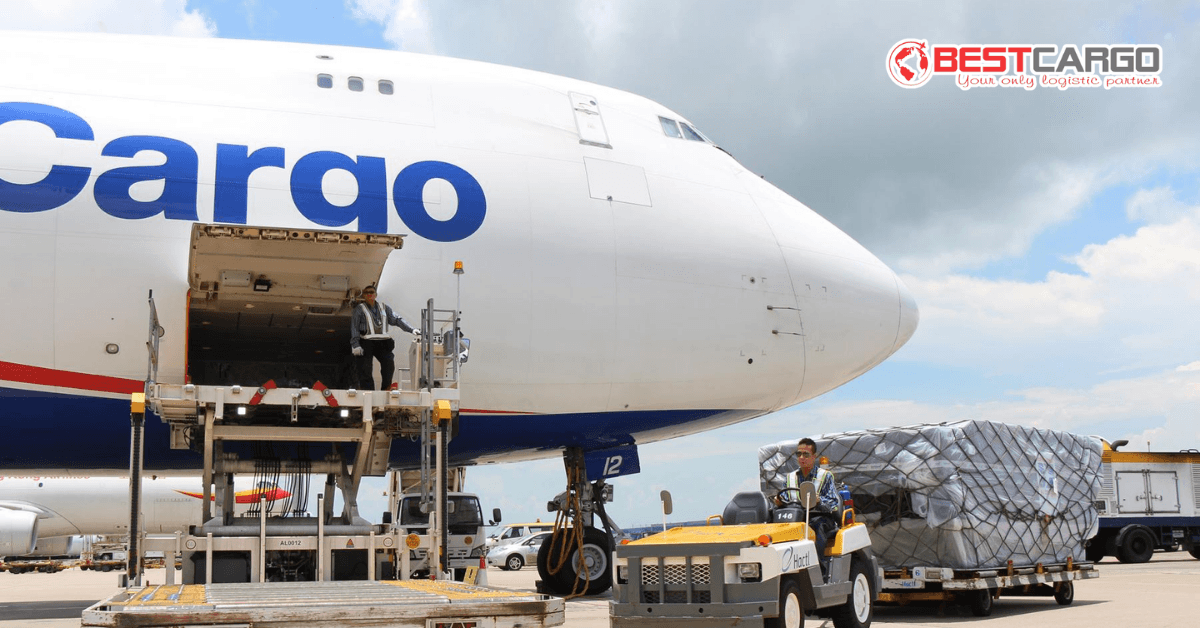
Several types of discrepancies can occur during international transportation.
1. Incorrect Cargo Description
The product description on shipping documents may not accurately reflect the actual goods.
For example, an invoice may describe a shipment as plastic accessories, while the physical cargo contains electronic components.
An unclear or inaccurate description can trigger additional inspections and customs verification.
2. Incorrect Quantity or Package Count
The number of products or packages stated in the documents may differ from the actual shipment.
Common examples include:
- Invoice quantity does not match the packing list.
- Actual package count differs from the Air Waybill.
- Missing items during warehouse inspection.
- Incorrect carton information.
These errors can complicate cargo acceptance and customs clearance.
3. Weight and Dimension Differences
Shipping documents must accurately reflect cargo weight and dimensions.
Discrepancies may occur when:
- The actual gross weight exceeds the declared weight.
- Carton dimensions are incorrectly measured.
- The packing list contains outdated information.
- The cargo is repacked after documentation is issued.
Weight differences may also affect chargeable weight and air freight costs.
4. Incorrect Shipper or Consignee Information
Incorrect company names, addresses, or contact details can create delivery and customs problems.
For example, the consignee’s legal name on the Air Waybill may differ from the name on the commercial invoice.
Businesses should verify all party information before submitting shipping documents.
5. Incorrect HS Codes
The Harmonized System (HS) Code is used to classify goods for customs purposes.
An incorrect HS Code may result in incorrect duty calculations, additional inspections, or customs disputes.
Exporters should classify products based on their actual characteristics and applicable customs rules.
6. Packaging and Labeling Differences
The actual cargo packaging may not match the information stated in the documents.
Examples include:
- Different package types.
- Missing handling labels.
- Incorrect country-of-origin information.
- Missing product identification.
- Undeclared special handling requirements.
These issues can affect cargo acceptance and customs procedures.
Risks of Cargo and Shipping Document Discrepancies
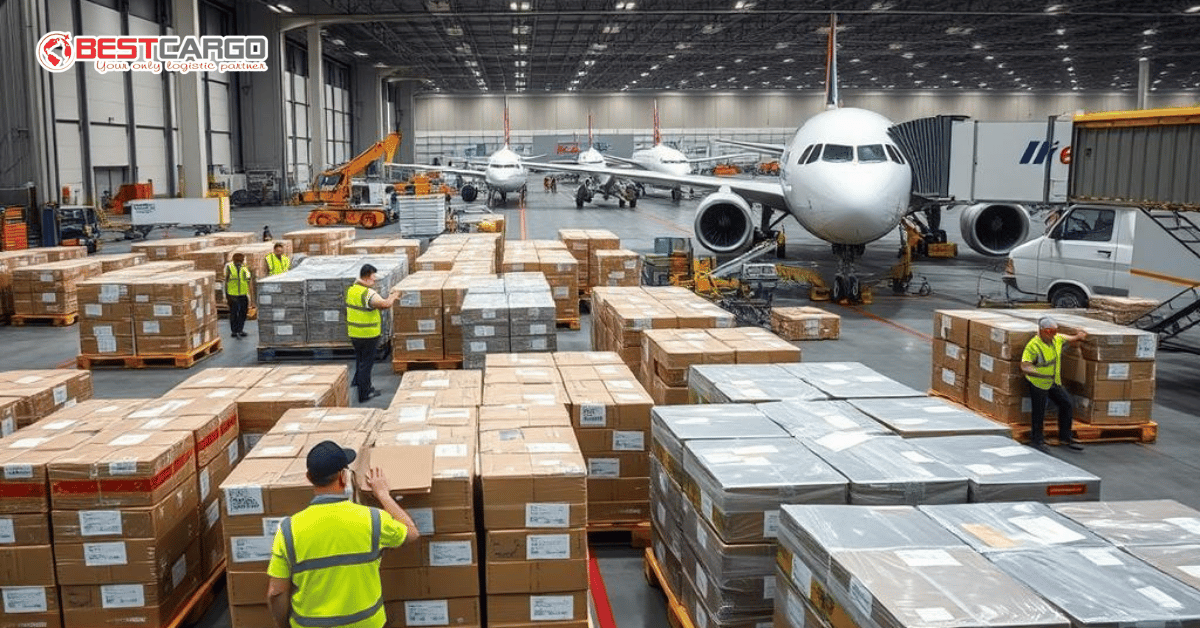
Document discrepancies can create problems throughout the international supply chain.
Customs Clearance Delays
Customs authorities may request additional documents or inspect the cargo when shipment information is inconsistent.
This can extend clearance time and delay final delivery.
Additional Transportation Costs
Incorrect weight or package information may result in revised freight charges.
Businesses may also face storage, handling, inspection, or document amendment fees.
Cargo Rejection
Airlines or cargo handling facilities may refuse shipments that do not meet documentation, safety, or acceptance requirements.
The exporter may need to correct the information before the cargo can proceed.
Customs Penalties
Incorrect declarations can result in penalties or other enforcement actions, depending on the nature of the error and applicable regulations.
Intentional misdeclaration may lead to more serious consequences.
Damage to Business Reputation
Repeated documentation errors can reduce customer confidence.
Importers may also experience inventory shortages and disruptions to their operations.
How to Resolve Cargo and Shipping Document Discrepancies
When a discrepancy is discovered, businesses should act quickly to prevent further delays.
Follow these steps to resolve the issue.
Step 1: Identify the Discrepancy
Compare the actual cargo with all relevant shipping documents.
Check the following information:
- Product description.
- Quantity and package count.
- Gross weight.
- Dimensions.
- Shipper and consignee details.
- HS Code.
- Country of origin.
Identify every inconsistent detail before requesting corrections.
Step 2: Notify the Freight Forwarder
Contact the responsible freight forwarder or logistics provider immediately.
Provide the shipment reference number and explain the issue clearly.
Early communication allows the logistics provider to coordinate with the airline, warehouse, or customs broker.
Step 3: Prepare Corrected Documents
Depending on the discrepancy, updated documents may be required.
These may include:
- Revised Commercial Invoice.
- Updated Packing List.
- Corrected Air Waybill.
- Supporting product information.
- Additional certificates or declarations.
All revised documents should reflect the actual cargo accurately.
Step 4: Request Document Amendments
If the Air Waybill or customs declaration has already been issued, the responsible party may need to submit a formal amendment request.
The amendment process depends on the document type, shipment status, airline procedures, and customs requirements.
Some changes may require additional approval or supporting evidence.
Step 5: Coordinate with Customs and the Airline
If the cargo is already at the airport or undergoing customs clearance, the freight forwarder should coordinate with the relevant parties.
Additional inspections or verification may be required before the shipment can proceed.
Step 6: Confirm the Correction
After the amendments are processed, verify that all documents contain consistent information.
Keep the updated records and confirmation for future reference.
Best Practices to Prevent Documentation Errors
Preventing discrepancies is more efficient than correcting them after cargo has entered the transportation process.
Businesses should follow these practices:
Verify Cargo Before Preparing Documents
Check the actual goods, quantities, packaging, and weight before issuing shipping documents.
Use Standardized Documentation Templates
Standard templates help maintain consistency across invoices, packing lists, and shipping instructions.
Double-Check Product Classification
Ensure the HS Code and product description accurately reflect the goods being exported.
Coordinate with Suppliers and Freight Forwarders
Maintain clear communication between manufacturers, exporters, and logistics providers.
Review Documents Before Cargo Acceptance
Conduct a final document check before delivering cargo to the airport warehouse.
These measures help reduce errors and improve shipping efficiency.
Why Work with a Professional Freight Forwarder?
An experienced freight forwarder can help businesses manage documentation and resolve discrepancies throughout the shipping process.
Typical support services include:
- Reviewing shipping documents.
- Checking cargo information.
- Coordinating with airlines.
- Assisting with customs documentation.
- Arranging document amendments.
- Monitoring shipment status.
- Providing guidance on cargo requirements.
Professional logistics support helps exporters minimize risks and maintain reliable delivery schedules.
Frequently Asked Questions
1. What happens if cargo does not match the shipping documents?
The shipment may be held for inspection, delayed, or rejected until the discrepancy is resolved. Additional charges may also apply.
2. Which documents should match the actual cargo?
The Commercial Invoice, Packing List, Air Waybill, Customs Declaration, and relevant product certificates should contain accurate and consistent information.
3. Can an Air Waybill be amended after issuance?
Yes. Amendments may be possible, depending on the airline’s procedures and shipment status. Additional fees or supporting documents may be required.
4. Who is responsible for correcting document discrepancies?
The shipper is generally responsible for providing accurate shipment information. The freight forwarder can assist with corrections and coordinate with the airline or customs broker.
5. How can businesses prevent cargo documentation errors?
Businesses should verify cargo details before preparing documents, use standardized templates, check product classifications, and review all information before shipment.
Conclusion
Cargo and shipping document discrepancies can create serious challenges for international logistics operations. Incorrect product descriptions, quantities, weights, or consignee details may lead to customs delays, additional costs, and cargo rejection.
Businesses should establish clear documentation procedures and verify shipment information before transportation. Working with an experienced freight forwarder also helps identify errors early and resolve them efficiently.
Accurate documentation is essential for smooth customs clearance, reliable air freight operations, and successful international trade.
Read more:
Southeast Asia Emerges as Asia’s New Logistics Hub
Gửi bột thạch sương sáo từ Hà Nội sang Mỹ
