



How to Correct Errors on an Air Waybill Before Departure
An Air Waybill (AWB) is an essential document in international air cargo transportation. It records shipment details, identifies the shipper and consignee, and provides important information for airlines and customs authorities.
However, errors can occur when preparing an air waybill. Incorrect consignee details, cargo descriptions, weights, or destination information may cause delays and additional charges.
Correcting these errors before departure can help businesses avoid operational problems and ensure smooth shipment processing.

What Is an Air Waybill?
An Air Waybill is a transport document issued by an airline or freight forwarder for air cargo shipments. It serves as evidence of the contract of carriage between the shipper and the carrier.
The AWB contains important shipment information, including:
- Shipper and consignee details.
- Airport of departure and destination.
- Cargo description.
- Number of packages.
- Gross weight and dimensions.
- Chargeable weight.
- Freight charges and payment terms.
- Handling instructions.
Accurate information helps airlines process cargo efficiently and supports customs clearance at the destination.
Common Errors on an Air Waybill
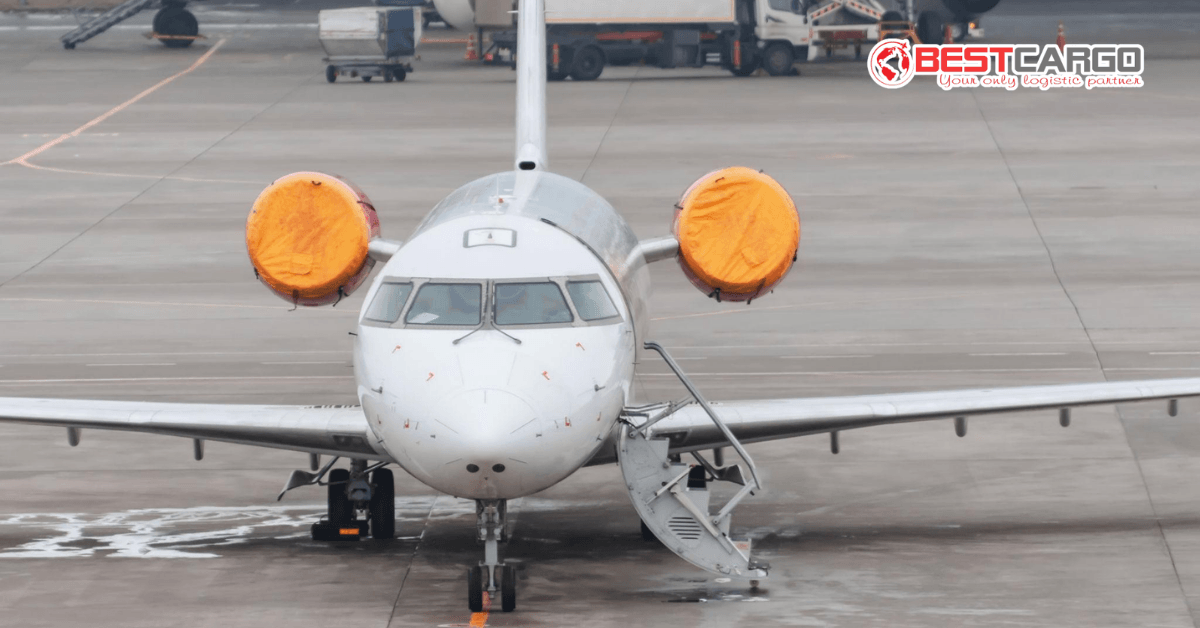
Several types of mistakes may occur during AWB preparation.
1. Incorrect Shipper or Consignee Information
Errors may include misspelled company names, incorrect addresses, or invalid contact numbers.
These mistakes can create problems during shipment handling and final delivery.
2. Incorrect Cargo Description
The cargo description must accurately reflect the goods being transported.
Vague or incorrect descriptions may trigger additional checks by the airline or customs authorities.
3. Incorrect Weight or Package Quantity
The AWB must match the actual shipment details.
Differences in gross weight, package quantity, or dimensions may require document amendments and additional freight charges.
4. Incorrect Airport or Destination Details
An incorrect destination airport or routing detail can disrupt transportation arrangements.
This type of error should be reported immediately because it may affect flight booking and cargo handling.
5. Incorrect Freight Charges or Payment Terms
Errors in freight charges or payment instructions may cause billing disputes.
The shipper or freight forwarder should verify these details before the shipment is finalized.
Why Should AWB Errors Be Corrected Before Departure?
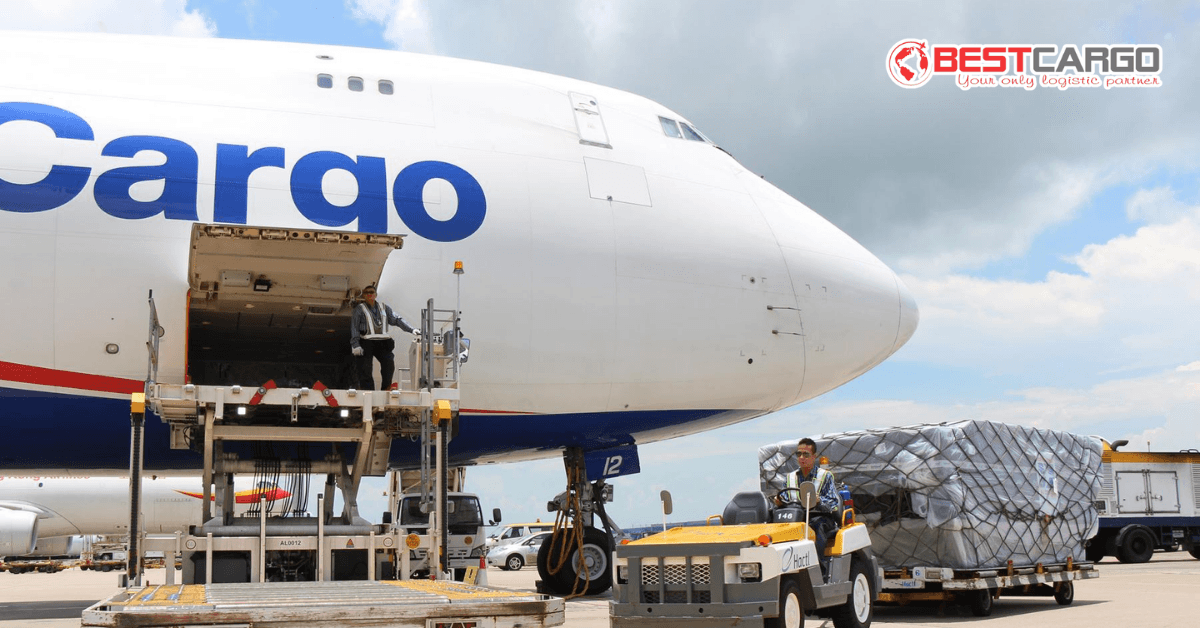
Correcting errors early helps prevent delays and unnecessary expenses.
Key benefits include:
- Faster cargo processing: Accurate documents reduce the need for additional checks.
- Fewer customs issues: Correct shipment details support proper declarations.
- Lower amendment costs: Early corrections may prevent more complicated changes later.
- Better delivery coordination: Accurate consignee information helps avoid delivery problems.
- Improved compliance: Correct documentation supports compliance with airline and customs requirements.
Some errors may be corrected quickly, while others require additional approval or supporting documents.
How to Correct an Air Waybill Before Departure
The correction process depends on the type of AWB, the shipment status, and the airline’s procedures.
Follow these steps to resolve errors efficiently.
Step 1: Identify the Error
Review the AWB carefully and compare it with the original shipping instructions.
Check the shipper and consignee details, cargo description, package quantity, weight, destination, and freight charges.
Identify every incorrect field before requesting an amendment.
Step 2: Contact the Freight Forwarder or Airline
Notify the responsible freight forwarder or airline as soon as the error is discovered.
Provide the AWB number and clearly explain which information needs to be corrected.
If the shipment has already been accepted at the airport, the amendment may require additional coordination.
Step 3: Prepare Supporting Documents
Depending on the error, the carrier may request supporting documents.
These may include:
- Corrected commercial invoice.
- Updated packing list.
- Revised shipping instructions.
- Cargo weight or measurement records.
- Written confirmation from the shipper.
- Other documents required by the airline.
The documents should contain consistent and accurate information.
Step 4: Submit the Amendment Request
The freight forwarder or shipper must submit the correction through the procedure specified by the responsible carrier.
Some amendments may be handled electronically. Others may require a formal request or additional approval.
Not every AWB field can be changed automatically.
Step 5: Confirm the Revised Information
After the amendment is approved, verify the updated AWB or the carrier’s official amendment confirmation.
Ensure that the corrected details match the commercial invoice, packing list, customs declaration, and other relevant shipment records.
Step 6: Check the Shipment Status
Confirm that the amendment has been processed before the cargo departs.
If the shipment has already been manifested or submitted for customs processing, further action may be necessary.
Always obtain confirmation from the responsible airline or freight forwarder.
Important Considerations When Amending an AWB
Not all AWB errors can be corrected using the same procedure.
Businesses should consider the following factors:
- Shipment status: Corrections are generally easier before the shipment reaches later processing stages.
- Type of AWB: A Master Air Waybill (MAWB) and a House Air Waybill (HAWB) may require different amendment procedures.
- Customs requirements: Changes to cargo descriptions, values, or weights may affect customs declarations.
- Carrier policies: Each airline may have specific requirements and deadlines.
- Additional charges: Amendment, handling, or reprocessing fees may apply.
If the error affects regulated or dangerous goods, the shipper must ensure that all required declarations and approvals remain accurate.
How to Prevent Air Waybill Errors
Preventing errors is usually more efficient than correcting them after cargo acceptance.
Businesses can reduce mistakes by following these practices:
- Verify shipment details before issuing the AWB.
- Use consistent information across all shipping documents.
- Confirm the consignee’s legal name and address.
- Check cargo descriptions against the actual goods.
- Verify weight and package quantity before booking.
- Use standardized shipping instruction templates.
- Require a final document review before submission.
- Maintain clear communication between the shipper and freight forwarder.
A standardized checking process can improve document accuracy and reduce shipment delays.
Frequently Asked Questions
1. Can an Air Waybill be corrected before departure?
Yes. Many errors can be amended before departure, subject to the airline’s procedures and the shipment’s current status.
2. Who can request an AWB correction?
The shipper or authorized freight forwarder can usually initiate the request. The airline or issuing agent must process the amendment according to its requirements.
3. What documents are needed to correct an AWB?
Depending on the error, the carrier may request a corrected invoice, updated packing list, revised shipping instructions, or written confirmation from the shipper.
4. Will correcting an AWB delay the shipment?
It may. The impact depends on the type of error, the timing of the request, and whether the cargo has already been manifested or processed by customs.
5. Are there fees for correcting an Air Waybill?
Additional fees may apply. The amount depends on the airline, freight forwarder, type of amendment, and shipment status.
Conclusion
Correcting errors on an Air Waybill before departure is an important step in maintaining an efficient air freight process. Accurate documentation helps reduce delays, avoid unnecessary costs, and support smooth customs clearance.
Businesses should review shipping details carefully and report mistakes to their freight forwarder or airline as soon as possible. By maintaining consistent documentation and following the carrier’s amendment procedures, exporters can reduce risks and improve the reliability of international air cargo shipments.
Read more:
Southeast Asia Emerges as Asia’s New Logistics Hub
Gửi bột thạch sương sáo từ Hà Nội sang Mỹ
