



Air Cargo Asia–North America Rises 9.2%
Asia–North America air cargo traffic rose 9.2% year-on-year in July 2026, making the trade lane the strongest-growing major air cargo corridor during the month. The route also recorded six consecutive months of growth, highlighting its continued importance to global air freight and international trade.
The strong performance reflects continued demand for fast international transportation between major manufacturing centers in Asia and consumer markets across North America.
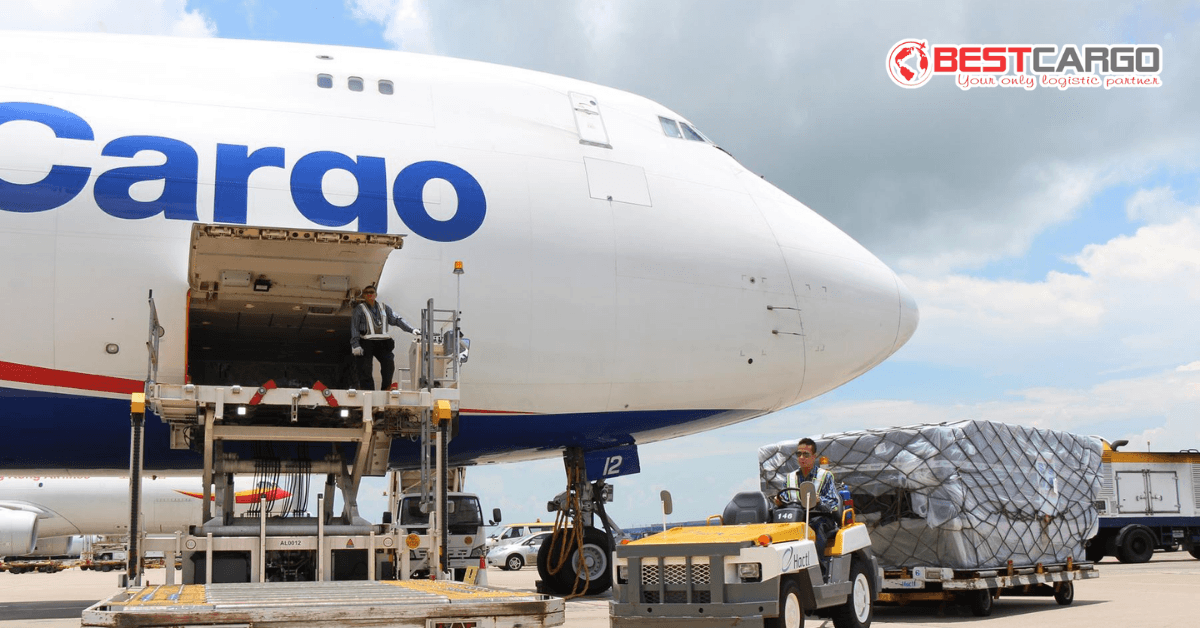
Asia–North America Air Cargo Records Strong Growth
According to the International Air Transport Association (IATA), the Asia–North America trade lane grew 9.2% year-on-year in July 2026.
The corridor represented approximately 23.5% of global air cargo traffic, based on its 2025 market share. This makes it one of the most important routes in the global air cargo network.
The growth also extended a six-month expansion streak.
This sustained performance shows that demand for trans-Pacific air freight remains strong despite changes in global trade conditions and ongoing disruptions affecting other international cargo corridors.
Why Is Trans-Pacific Air Cargo Growing?
Several factors are supporting demand on the Asia–North America route.
Asia remains a major manufacturing and export hub for electronics, machinery, consumer goods, automotive components, and other high-value products.
At the same time, North America remains a major destination for these products.
Air freight provides exporters with faster transportation compared with ocean shipping. This is particularly important for products with short market windows or high commercial value.
The continued growth of e-commerce also supports demand for international air cargo services.
Asia and North America Remain Important Air Cargo Markets
The strength of the trade lane is also supported by solid regional performance.
In July 2026, Asia-Pacific airlines recorded 4.1% year-on-year growth in cargo demand, while capacity increased by 3.0%. North American airlines recorded 4.8% demand growth, while capacity decreased by 1.5%.
The difference between demand and capacity growth is important for air freight operators.
When demand grows faster than available capacity, cargo space can become tighter on selected routes. This can affect booking availability and transportation costs.
A Stronger Trans-Pacific Trade Network
The Asia–North America corridor has shown strong momentum throughout 2026.
In June, the route recorded 14.7% year-on-year growth, marking its fifth consecutive month of expansion at that time.
Earlier in May, Asia–North America air cargo traffic increased 19.9% year-on-year, making it the strongest-performing major trade lane during that month.
These monthly results indicate that the trans-Pacific corridor has remained an important driver of international air cargo growth.
What Does This Mean for Global Air Freight?
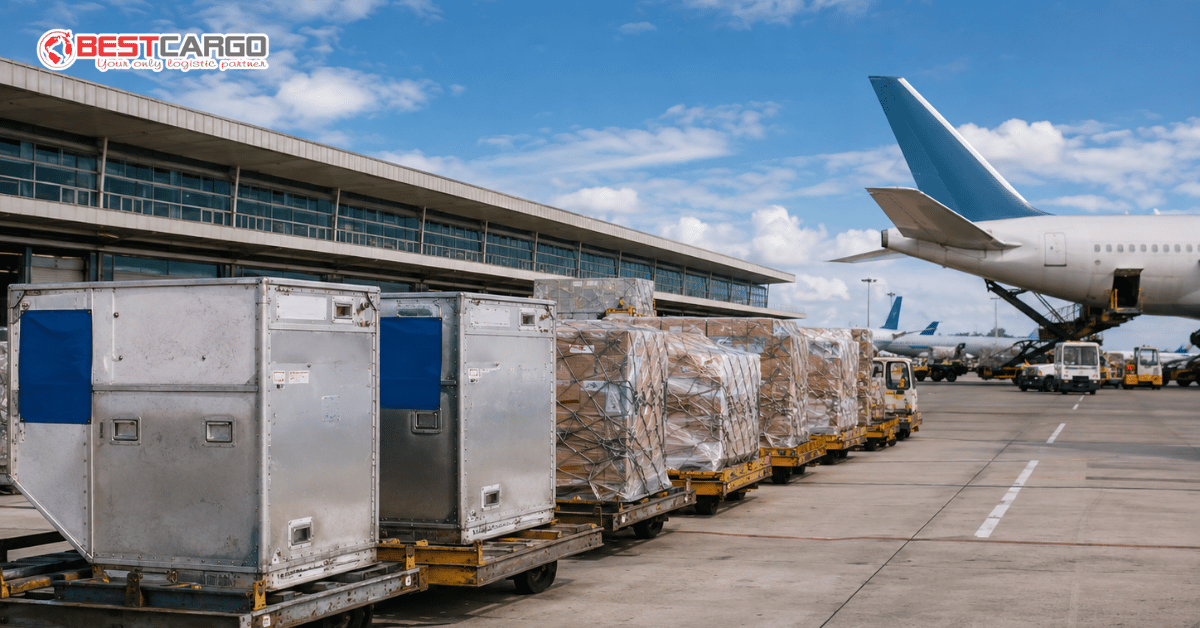
The growth of Asia–North America air cargo has several implications for the logistics industry.
Higher Demand for Cargo Capacity
Exporters may need to plan bookings earlier, especially during peak trading periods.
Higher demand can place pressure on available aircraft capacity on major routes.
More Opportunities for Freight Forwarders
Freight forwarders can benefit from growing demand by offering flexible routing, consolidation services, and door-to-door solutions.
Businesses shipping smaller volumes can also use consolidated air freight to access major trans-Pacific networks.
Greater Importance of Shipment Planning
Companies exporting from Asia to North America should consider flight schedules, cargo capacity, customs requirements, and delivery deadlines when planning shipments.
Better planning can help reduce delays and unexpected logistics costs.
What Does This Mean for Vietnamese Exporters?
The growth of the Asia–North America corridor is particularly relevant for Vietnamese exporters.
Vietnam has become an important manufacturing and export base in Asia, with strong production across electronics, textiles, furniture, machinery, consumer products, and other industries.
For exporters serving the United States and Canada, air freight can provide a faster option for:
- Product samples.
- High-value electronics.
- Urgent spare parts.
- Fashion products.
- E-commerce shipments.
- Time-sensitive commercial goods.
However, air freight is generally more expensive than ocean shipping.
Businesses should therefore compare transportation costs with product value, delivery deadlines, and inventory requirements.
How Can Businesses Optimize Air Freight Costs?
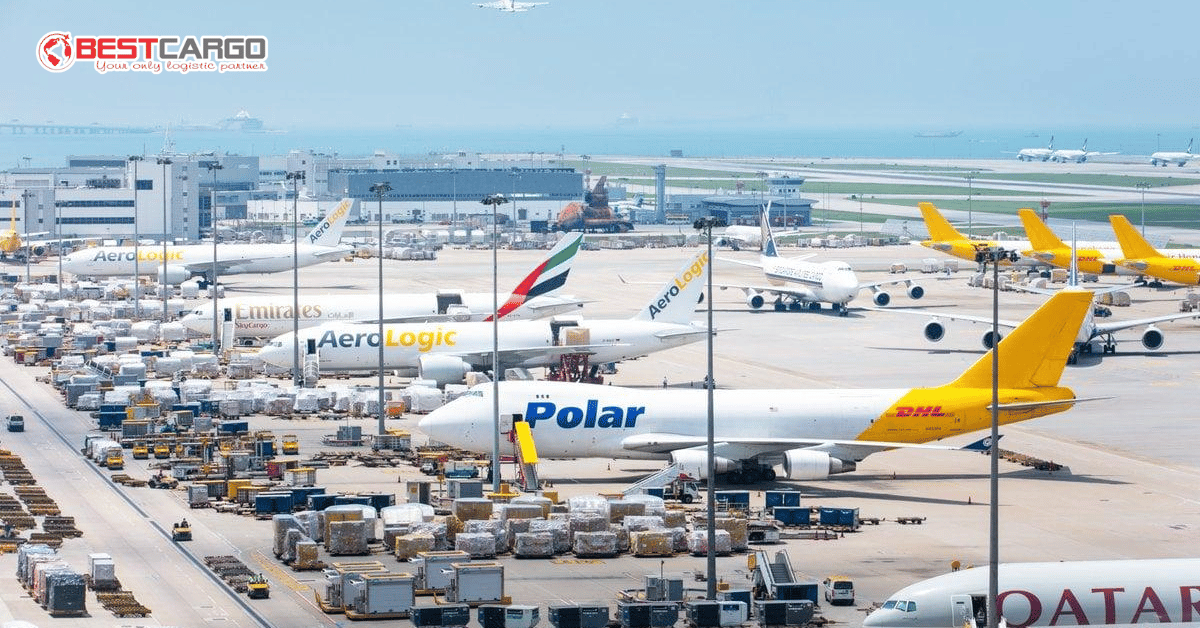
Companies can improve air freight efficiency through several practical strategies.
Businesses should:
- Consolidate smaller shipments when possible.
- Optimize packaging dimensions.
- Calculate volumetric weight before booking.
- Reserve cargo space early during peak periods.
- Compare direct and connecting routes.
- Work with experienced freight forwarders.
- Monitor fuel surcharges and other additional fees.
These measures can help exporters control logistics costs while maintaining reliable delivery schedules.
Future Outlook for Air Cargo
The latest IATA data shows that the Asia–North America corridor continues to play a major role in international air cargo.
The route’s 9.2% growth in July 2026, combined with six consecutive months of expansion, demonstrates continued demand for trans-Pacific air freight.
At the same time, the air cargo market remains sensitive to changes in trade policy, fuel prices, aircraft capacity, and geopolitical conditions.
For exporters, flexibility will remain important.
Companies that monitor market conditions and plan their shipments carefully will be better positioned to manage changes in transportation costs and capacity.
Frequently Asked Questions
1. How much did Asia–North America air cargo traffic grow in July 2026?
Asia–North America air cargo traffic increased 9.2% year-on-year in July 2026, according to IATA.
2. How important is the Asia–North America trade lane?
The corridor represented approximately 23.5% of global air cargo traffic, based on its 2025 market share.
3. Why is air freight important between Asia and North America?
Air freight provides faster transportation for high-value, urgent, and time-sensitive products moving between major Asian manufacturing markets and North American destinations.
4. Is air freight suitable for Vietnamese exporters?
Yes. It can be particularly useful for samples, high-value goods, urgent orders, and products requiring short delivery times.
5. How can businesses reduce trans-Pacific air freight costs?
Businesses can consolidate shipments, optimize packaging, compare routing options, book cargo space early, and work with experienced freight forwarders.
Conclusion
Asia–North America air cargo traffic rose 9.2% in July 2026, making the corridor the strongest-growing major trade lane during the month. With six consecutive months of growth and a market share of around 23.5%, the route remains a critical part of the global air freight network.
For exporters, including businesses in Vietnam, this growth creates opportunities to expand international trade. At the same time, companies need to manage capacity, freight costs, packaging, and shipment planning carefully.
As trans-Pacific trade continues to develop, Asia–North America air freight is likely to remain an important driver of global air cargo activity.
Read more:
Southeast Asia Emerges as Asia’s New Logistics Hub
Gửi bột thạch sương sáo từ Hà Nội sang Mỹ
