



Air Cargo Irregularities – How to Identify and Resolve Shipment Issues
Air Cargo Irregularities are unexpected issues that occur during the transportation and handling of air freight shipments. These problems may involve missing cargo, damaged packages, incorrect shipment information, or unexpected delivery delays. Identifying and resolving these irregularities quickly is essential for maintaining smooth logistics operations and minimizing financial losses.
For shippers and freight forwarders, understanding common shipment issues helps improve cargo visibility, communication, and service reliability.
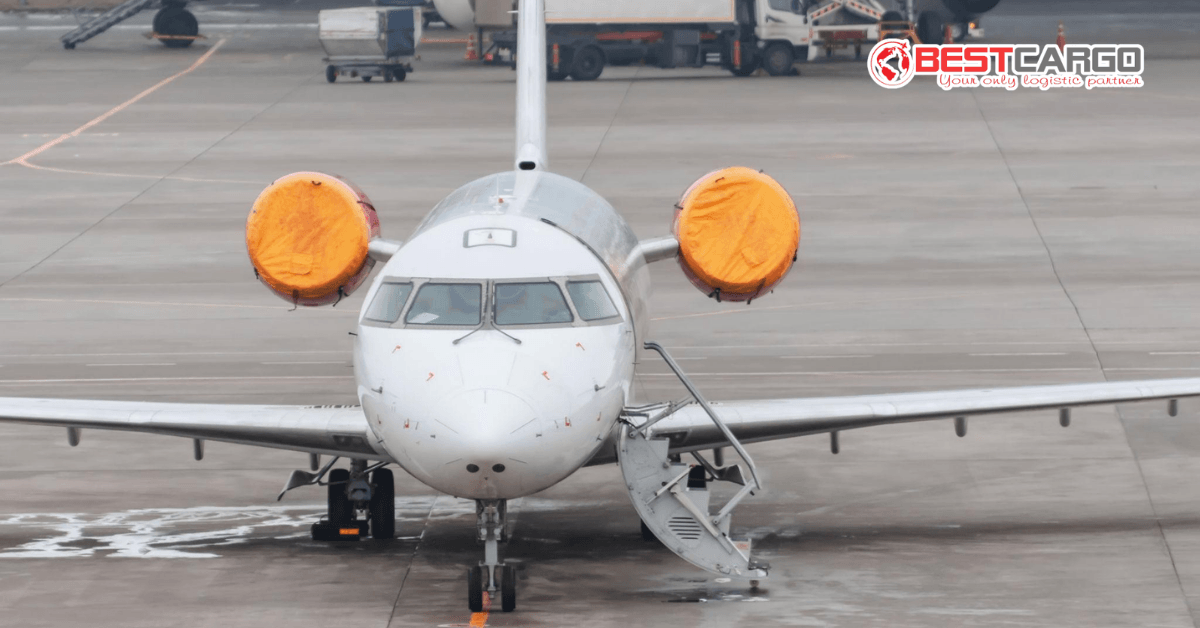
1. What Are Air Cargo Irregularities?
Air Cargo Irregularities refer to any unexpected situation that disrupts the normal movement or handling of air freight.
They can occur at different stages of the transportation process, including cargo acceptance, warehouse handling, aircraft loading, transit, customs clearance, and final delivery.
Common examples include:
- Cargo arriving later than scheduled.
- Missing or damaged packages.
- Incorrect cargo information.
- Shipment discrepancies between documents and physical goods.
- Unexpected cargo routing changes.
- Delays caused by customs or operational issues.
Although some irregularities are minor, others may affect the entire shipment schedule and increase transportation costs.
2. Common Types of Air Cargo Irregularities
Shipment Delays
Shipment delays occur when cargo does not move according to the original transportation schedule.
Possible causes include flight cancellations, aircraft capacity limitations, adverse weather conditions, and operational disruptions.
How to resolve it:
- Check the latest shipment status with the airline.
- Identify the cause of the delay.
- Request an updated flight schedule.
- Consider alternative routing when available.
- Inform the consignee about the revised arrival time.
Cargo Damage
Cargo damage refers to physical deterioration that occurs during transportation or handling.
Examples include broken products, crushed cartons, torn packaging, and water damage.
Possible causes include improper packaging, rough handling, unsuitable loading arrangements, or inadequate cargo protection.
How to resolve it:
- Photograph the damaged cargo and packaging.
- Record the condition when the damage is discovered.
- Notify the airline or handling agent promptly.
- Keep relevant shipping documents and inspection records.
- Follow the applicable cargo claims procedure.
Missing or Short-Shipped Cargo
Missing cargo occurs when some or all packages cannot be accounted for at a particular stage of transportation.
Short shipment refers to a situation where fewer packages are transported or delivered than expected.
Common causes include handling discrepancies, incorrect cargo identification, and operational errors.
How to resolve it:
- Compare the physical cargo with the packing list and Air Waybill.
- Verify the number of packages received and dispatched.
- Request a cargo tracing investigation.
- Coordinate with the airline and handling agents.
- Update the consignee on the investigation progress.
Incorrect Shipment Information
Information discrepancies may involve incorrect package quantities, weights, dimensions, cargo descriptions, or consignee details.
These errors can affect cargo acceptance, customs clearance, and final delivery.
How to resolve it:
- Identify the incorrect information.
- Compare the documents with the actual cargo.
- Contact the relevant parties for verification.
- Request document amendments where permitted.
- Confirm that updated information is reflected in the relevant systems.
Unexpected Routing Changes
A shipment may be transported through a different transit airport or connecting route than originally planned.
This can happen because of flight disruptions, capacity constraints, or airline operational decisions.
How to resolve it:
- Confirm the shipment’s current location.
- Request the revised routing information.
- Check whether the new route affects transit time.
- Review any additional handling requirements.
- Notify the consignee of the updated schedule.
3. How to Identify Air Cargo Irregularities
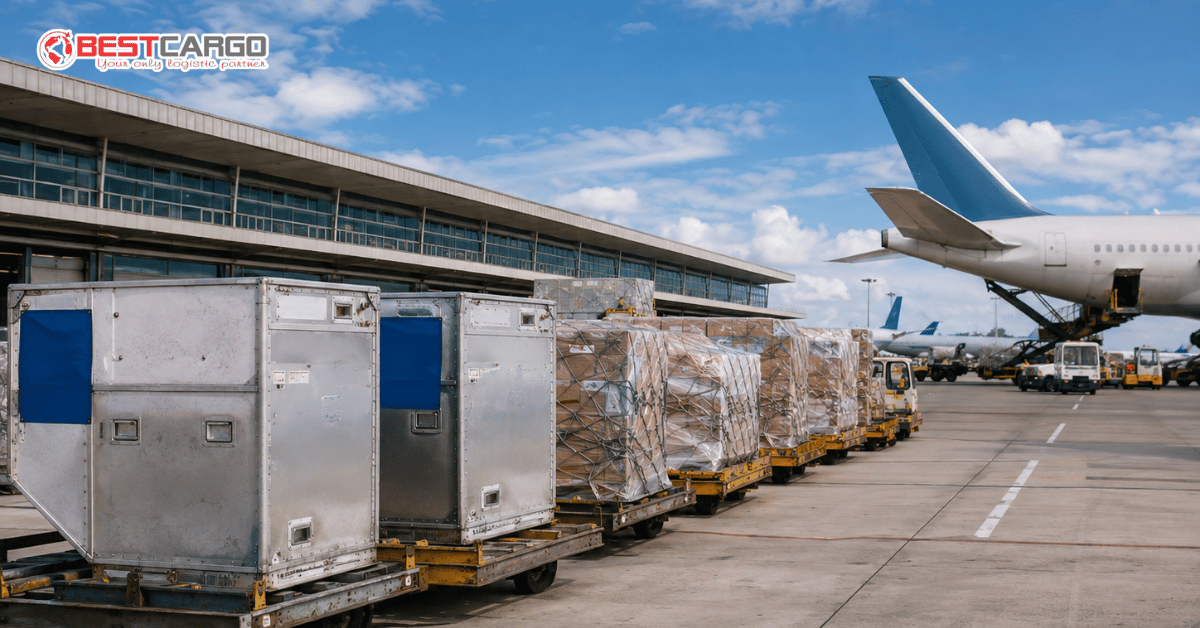
Early detection helps logistics companies prevent small issues from becoming major disruptions.
Several methods can support effective identification:
Shipment Tracking: Monitor cargo milestones, flight information, and estimated arrival times through airline tracking systems.
Document Verification: Compare the Air Waybill, Commercial Invoice, Packing List, and physical cargo information.
Warehouse Inspection: Check package conditions, labels, quantities, and visible signs of damage during cargo handling.
Status Monitoring: Pay attention to unexpected status changes, missing tracking updates, or shipments that remain at a particular location longer than expected.
Communication with Partners: Maintain regular contact with airlines, ground handling agents, customs brokers, and destination agents.
4. A Step-by-Step Process for Resolving Shipment Issues
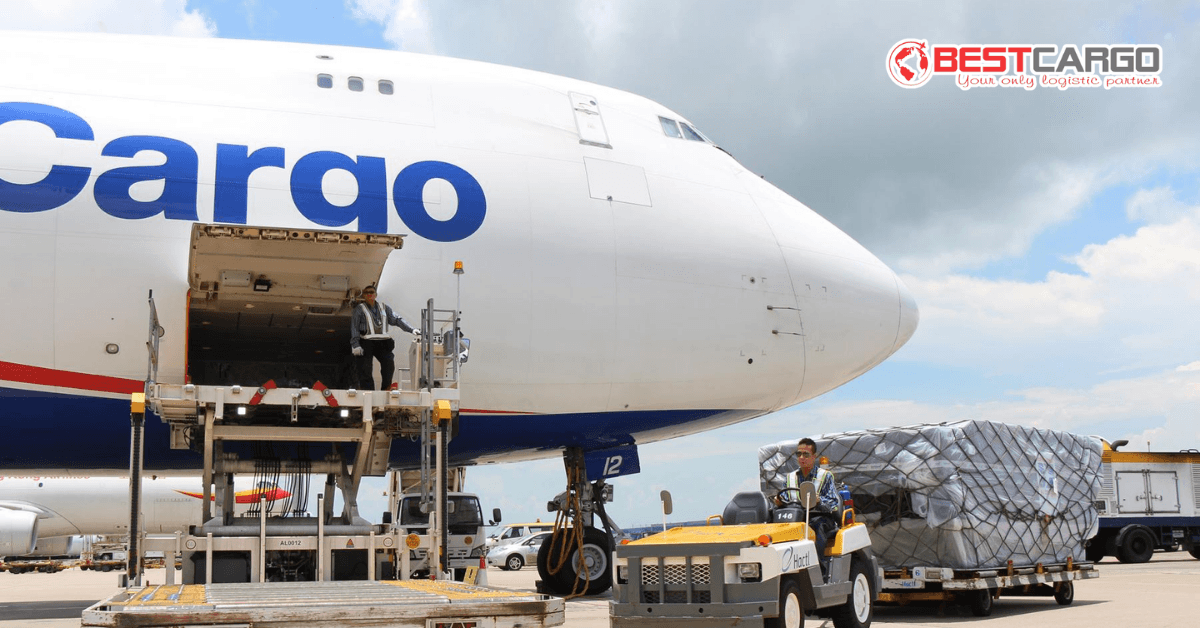
An effective response process helps businesses manage irregularities systematically.
Step 1: Identify the issue
Determine the type of irregularity, its location, and the shipment stage where it occurred.
Step 2: Collect supporting information
Gather the Air Waybill number, flight details, cargo photographs, shipment records, and relevant documents.
Step 3: Notify relevant parties
Inform the airline, freight forwarder, handling agent, or customs broker, depending on the nature of the issue.
Step 4: Investigate the cause
Review shipment records and coordinate with the parties involved to identify the source of the problem.
Step 5: Implement corrective actions
Arrange cargo tracing, document correction, alternative routing, repacking, or other appropriate measures.
Step 6: Update the customer
Provide clear information about the issue, proposed solution, and revised delivery schedule.
Step 7: Review and prevent recurrence
Record the incident and evaluate how similar problems can be avoided in future shipments.
5. How Freight Forwarders Help Manage Air Cargo Irregularities
Freight forwarders play an important role in coordinating responses to shipment disruptions.
They act as a communication link between shippers, airlines, ground handling agents, customs brokers, and destination partners.
Their responsibilities may include:
- Monitoring shipment progress.
- Identifying unexpected changes in cargo status.
- Coordinating cargo tracing and investigations.
- Supporting document corrections.
- Arranging alternative transportation solutions.
- Communicating updates to customers.
- Assisting with cargo claims documentation.
A proactive freight forwarder can help customers respond to unexpected situations more efficiently and reduce the impact on their supply chains.
6. Best Practices to Minimize Air Cargo Irregularities
Although not every disruption can be prevented, businesses can reduce the likelihood and impact of shipment issues through proper preparation.
- Use appropriate packaging for the cargo type.
- Verify shipment details before cargo handover.
- Provide accurate booking and shipping information.
- Follow airline cargo acceptance requirements.
- Monitor shipment milestones regularly.
- Maintain clear communication with logistics partners.
- Prepare contingency plans for urgent shipments.
- Keep records of shipment conditions and handling activities.
These practices help improve shipment control and strengthen overall air freight performance.
7. Frequently Asked Questions (FAQs)
1. What are the most common air cargo irregularities?
Common issues include shipment delays, cargo damage, missing packages, incorrect documentation, and unexpected routing changes.
2. What should businesses do when air cargo is missing?
They should verify package quantities, collect shipment records, and request a cargo tracing investigation through the airline or freight forwarder.
3. Who is responsible for resolving air cargo irregularities?
Responsibility depends on the nature and stage of the issue. Airlines, ground handling agents, freight forwarders, shippers, and customs brokers may all be involved.
4. Can air cargo irregularities be prevented?
Not all irregularities can be avoided. However, accurate documentation, proper packaging, shipment monitoring, and effective coordination can significantly reduce risks.
5. What documents are needed when reporting cargo damage?
Common supporting records include the Air Waybill, delivery records, photographs, inspection reports, and relevant commercial documents. Additional evidence may be required depending on the applicable claims procedure.
Conclusion
Air Cargo Irregularities are an important operational challenge in international air freight. Delays, cargo damage, missing packages, and documentation discrepancies can disrupt delivery schedules and increase logistics costs.
By identifying problems early, coordinating with relevant parties, and implementing effective corrective actions, businesses can minimize disruptions and maintain more reliable air cargo operations.
Read more:
Southeast Asia Emerges as Asia’s New Logistics Hub
Gửi bột thạch sương sáo từ Hà Nội sang Mỹ
