



Cargo Discrepancy: How to Handle Weight and Piece Count Discrepancies in Air Freight
Cargo Discrepancy is a common issue in international air freight when the actual shipment information differs from the details declared in booking documents or cargo records. These discrepancies may involve cargo weight, dimensions, piece count, packaging, or shipment descriptions.
For exporters, freight forwarders, and logistics providers, cargo discrepancies can lead to additional charges, shipment delays, booking adjustments, and customs clearance complications. Understanding how cargo discrepancies occur and how to resolve them helps businesses maintain accurate shipment information and improve transportation efficiency.

What Is Cargo Discrepancy?
Cargo discrepancy refers to any inconsistency between the declared shipment information and the actual cargo received, measured, or recorded during transportation.
In air freight, discrepancies are commonly identified when cargo arrives at the airline warehouse, undergoes cargo acceptance procedures, or is inspected before departure.
Typical cargo discrepancies include:
- Weight discrepancies.
- Piece count discrepancies.
- Dimension discrepancies.
- Packaging discrepancies.
- Cargo description discrepancies.
- Documentation inconsistencies.
Accurate shipment information is essential because airlines use these details to determine cargo acceptance, aircraft loading requirements, freight charges, and transportation conditions.
Common Types of Cargo Discrepancies in Air Freight
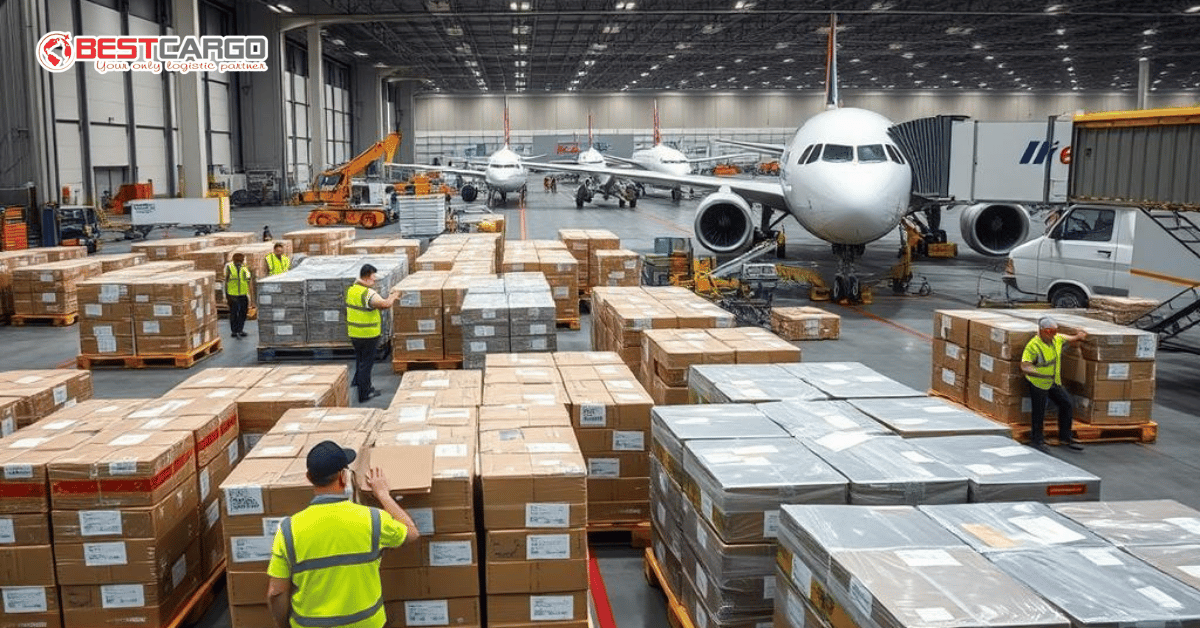
1. Weight Discrepancy
Weight discrepancy occurs when the actual gross weight differs from the weight declared in shipping documents or booking information.
For example:
- Declared weight: 100 kg.
- Actual warehouse weight: 115 kg.
The difference may affect chargeable weight, freight rates, and aircraft loading calculations.
Weight discrepancies are often caused by inaccurate weighing, additional packaging, or incorrect shipment information.
2. Piece Count Discrepancy
Piece count discrepancy occurs when the actual number of packages differs from the declared quantity.
For example:
- Packing List: 20 cartons.
- Cargo received: 18 cartons.
This situation may result from incomplete cargo delivery, warehouse sorting errors, or incorrect packing records.
3. Dimension Discrepancy
Dimension discrepancy occurs when the measured cargo dimensions differ from the dimensions declared by the shipper.
This can affect volumetric weight and chargeable weight.
Large differences may also influence aircraft cargo space allocation.
4. Packaging Discrepancy
Packaging discrepancy occurs when the actual packaging does not match the declared shipment information or fails to meet cargo acceptance requirements.
Examples include:
- Damaged cartons.
- Improper packaging.
- Missing labels.
- Incorrect pallet configuration.
- Packaging unsuitable for fragile cargo.
Such issues may require repacking or additional handling before the shipment can be accepted.
5. Documentation Discrepancy
Documentation discrepancy occurs when shipment information is inconsistent across documents.
Examples include:
- Incorrect cargo descriptions.
- Different piece counts.
- Inconsistent gross weights.
- Incorrect consignee information.
- Missing shipment details.
These discrepancies can affect customs clearance and airline cargo processing.
Why Do Cargo Discrepancies Occur?
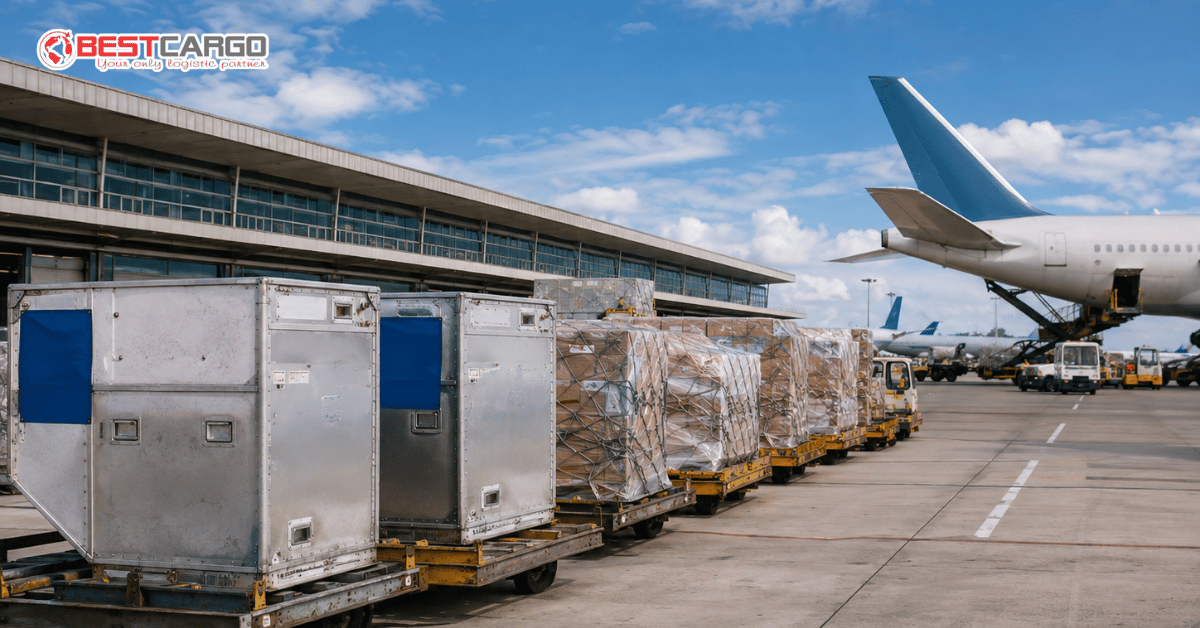
Several operational factors can contribute to cargo discrepancies.
Inaccurate Shipment Measurement
Incorrect weighing or measuring equipment may result in inaccurate shipment information.
Incorrect Packing List
Errors during document preparation can cause inconsistencies between declared and actual cargo details.
Additional Packaging
Protective materials, pallets, or additional cartons may increase shipment weight or dimensions.
Warehouse Handling Errors
Cargo may be incorrectly counted, labeled, or recorded during warehouse operations.
Communication Problems
Incomplete communication between exporters, freight forwarders, and warehouse operators may lead to incorrect shipment declarations.
How Cargo Discrepancies Affect Air Freight Shipments
Cargo discrepancies can create several operational challenges.
Additional Freight Charges
If the actual chargeable weight exceeds the declared amount, freight charges may increase.
Shipment Delays
Cargo may require additional weighing, measuring, repacking, or documentation adjustments before departure.
Booking Adjustments
Significant discrepancies may require booking changes or confirmation of available cargo capacity.
Customs Clearance Issues
Incorrect shipment information can lead to additional customs checks or documentation requests.
Cargo Rejection
If cargo fails to meet acceptance requirements, airlines or cargo terminals may refuse the shipment until the issue is resolved.
How to Resolve Cargo Discrepancies
A systematic approach helps businesses resolve cargo discrepancies efficiently.
Step 1: Identify the Discrepancy
Check the actual cargo information against the booking confirmation, Packing List, and other shipping documents.
Identify whether the issue involves weight, dimensions, piece count, packaging, or cargo description.
Step 2: Verify Actual Cargo Measurements
Reweigh or remeasure the shipment when necessary.
Use appropriate weighing equipment and measurement procedures to confirm the actual shipment details.
Step 3: Notify Relevant Parties
Inform the shipper, freight forwarder, airline, or warehouse operator about the discrepancy.
Clear communication helps determine the appropriate corrective action.
Step 4: Update Shipment Information
Revise booking information or shipping documents when required.
Ensure that updated information is consistent across relevant records.
Step 5: Confirm Additional Charges
If the discrepancy affects chargeable weight or handling requirements, confirm the additional costs before proceeding.
Step 6: Complete Cargo Acceptance
Once the discrepancy is resolved, the shipment can continue through the applicable cargo acceptance and transportation procedures.
Best Practices to Prevent Cargo Discrepancies
Businesses can reduce cargo discrepancies through proper shipment preparation.
Recommended practices include:
- Weigh cargo accurately before booking.
- Measure carton dimensions carefully.
- Verify piece counts before packing.
- Prepare accurate Commercial Invoices and Packing Lists.
- Use consistent shipment descriptions.
- Label cartons clearly.
- Inspect cargo before warehouse delivery.
- Maintain communication with freight forwarders.
- Use digital shipment records when possible.
These measures help reduce errors and improve cargo acceptance efficiency.
Why Is Cargo Discrepancy Management Important?
Effective cargo discrepancy management supports reliable international transportation.
It helps businesses:
- Control freight costs.
- Reduce shipment delays.
- Improve documentation accuracy.
- Minimize cargo handling errors.
- Strengthen communication between logistics partners.
- Improve customer satisfaction.
For companies handling frequent international shipments, standardized cargo verification procedures can significantly improve operational efficiency.
Frequently Asked Questions
What is cargo discrepancy in air freight?
Cargo discrepancy refers to differences between declared shipment information and actual cargo details, including weight, dimensions, piece count, or packaging.
Does weight discrepancy affect air freight charges?
Yes. If the actual chargeable weight exceeds the declared amount, freight charges may increase.
Can cargo discrepancy cause shipment delays?
Yes. Additional weighing, measuring, document corrections, or cargo handling may delay shipment processing.
What happens if the piece count is incorrect?
The shipment may require additional verification before cargo acceptance or transportation.
How can exporters prevent cargo discrepancies?
Accurate weighing, proper packaging, correct documentation, and shipment verification before warehouse delivery are essential preventive measures.
Conclusion
Cargo Discrepancy is an important operational issue in international air freight that can affect transportation costs, shipment schedules, and cargo acceptance.
By verifying shipment weight, dimensions, piece count, packaging, and documentation before delivery to the airline warehouse, businesses can reduce discrepancies and improve shipping reliability.
Working with an experienced freight forwarder also helps exporters manage cargo discrepancies efficiently and maintain a more reliable international supply chain.
Read more:
Southeast Asia Emerges as Asia’s New Logistics Hub
Gửi bột thạch sương sáo từ Hà Nội sang Mỹ
