



Changi Airport Expands Cargo Facilities to Support Rising Air Freight Demand
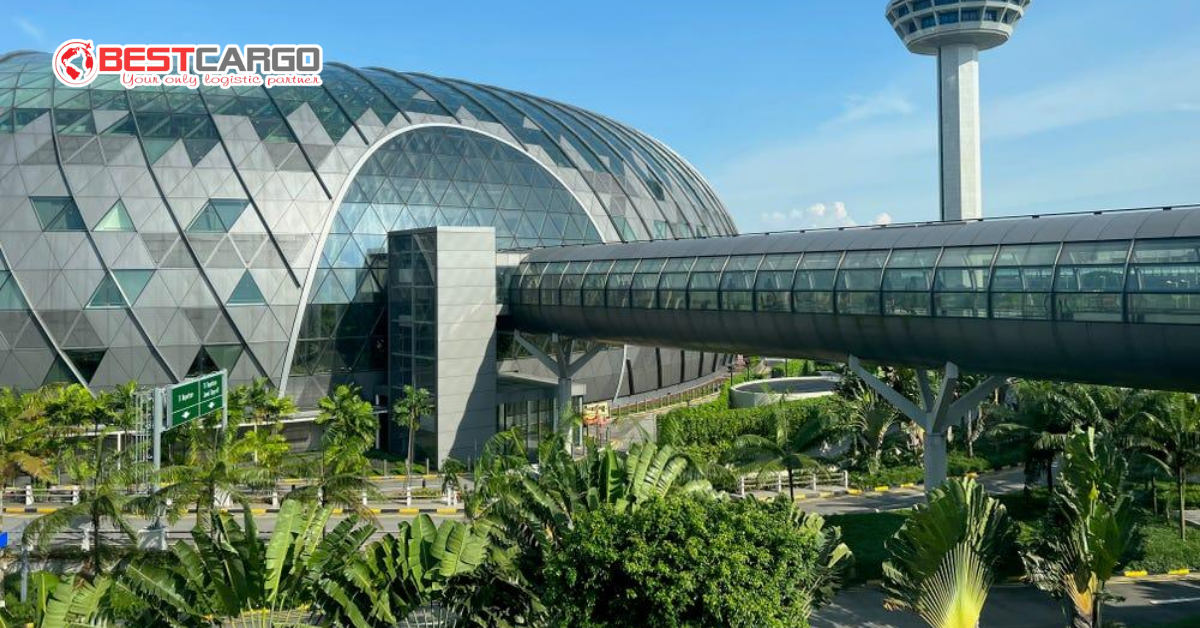
Changi Airport expands cargo facilities to strengthen its position as one of the world’s leading air cargo hubs. The expansion comes as global demand for air freight continues to rise, driven by semiconductor shipments, artificial intelligence (AI) infrastructure, pharmaceuticals, and cross-border e-commerce.
Singapore’s Changi Airport has long been a strategic gateway connecting Asia with Europe, North America, and Oceania. By investing in modern cargo infrastructure, the airport aims to improve freight capacity, increase operational efficiency, and support the next generation of global logistics.
Why Is Changi Airport Expanding Its Cargo Facilities?
Rising Global Air Freight Demand
The global air cargo market is entering a new phase of growth. While e-commerce remains important, high-value shipments such as AI chips, semiconductor equipment, and data center hardware are becoming major drivers of air freight demand.
These products require fast, secure, and reliable transportation. Air freight offers the speed needed to keep global supply chains running efficiently.
Supporting Singapore’s Position as a Regional Cargo Hub
Changi Airport is consistently ranked among the busiest cargo airports in the world. In recent years, it has handled more than two million tonnes of air freight annually while serving hundreds of international destinations.
Expanding cargo facilities allows the airport to meet future demand while strengthening Singapore’s role as a logistics gateway for the Asia-Pacific region.
Key Features of the Cargo Expansion
Larger Cargo Handling Capacity
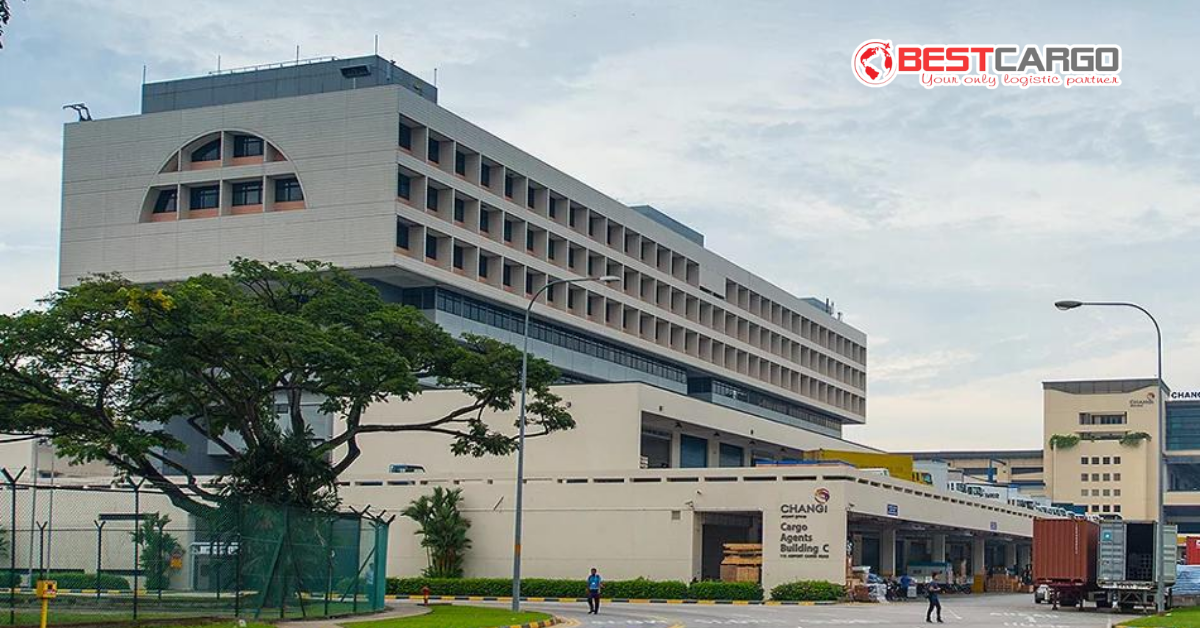
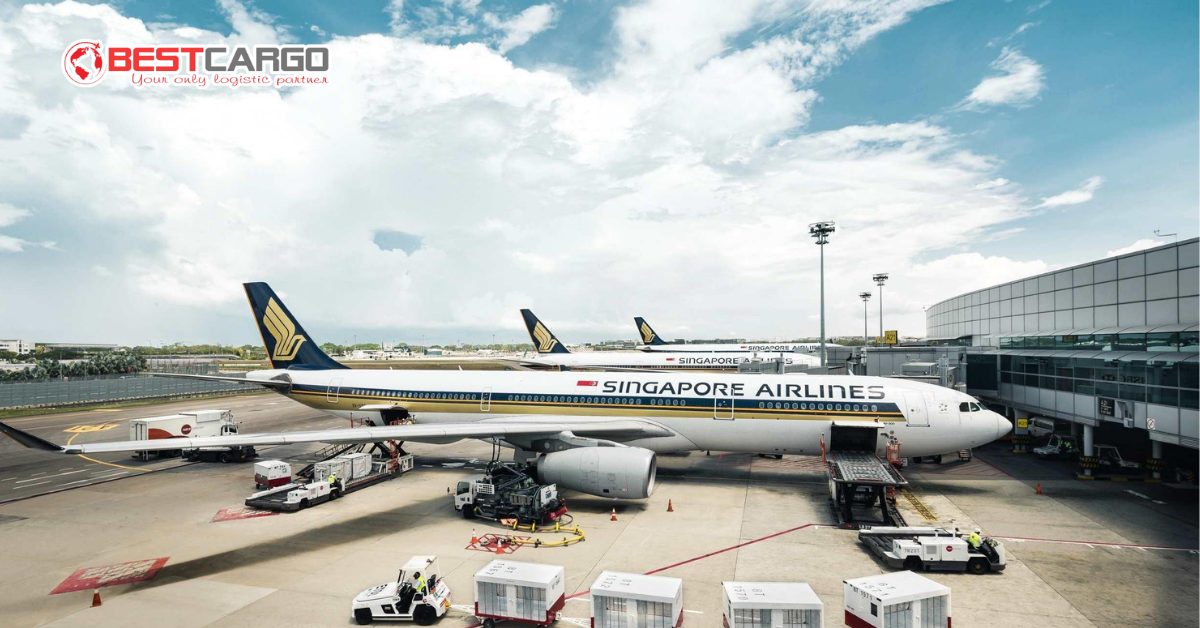
The expansion project includes additional warehouse space, upgraded cargo terminals, and improved aircraft handling areas.
These improvements will allow more shipments to be processed efficiently during peak periods.
Advanced Digital Technologies
Changi Airport is investing in automation and digital cargo management systems.
Modern technologies help speed up cargo processing, improve shipment tracking, and reduce manual handling.
Digital solutions also improve supply chain visibility for airlines, freight forwarders, and exporters.
Benefits for Airlines and Logistics Companies
Faster Cargo Processing
Modern cargo facilities reduce waiting times for aircraft loading and unloading.
This helps airlines improve schedule reliability and maximize aircraft utilization.
Improved Supply Chain Efficiency
Shorter processing times mean goods can move through the airport more quickly.
This is especially important for time-sensitive cargo such as pharmaceuticals, fresh food, electronics, and semiconductor equipment.
Impact on Global Logistics
Strengthening International Trade
Changi Airport’s cargo expansion is expected to strengthen global trade by improving freight connectivity across Asia-Pacific and beyond.
The airport already serves as a major transit hub for international shipments. Increased cargo capacity will allow airlines and logistics providers to handle larger freight volumes with greater efficiency.
Businesses can also benefit from shorter transit times and more reliable delivery schedules.
Supporting High-Value Industries
Modern air cargo plays a critical role in transporting high-value and time-sensitive products.
Industries such as semiconductors, pharmaceuticals, medical equipment, aerospace, and electronics depend on fast and secure transportation.
With upgraded cargo facilities, Changi Airport will be better equipped to support these industries and their growing logistics requirements.
Benefits for Exporters and Importers
Faster Access to Global Markets
Exporters can move products to overseas customers more quickly through Changi Airport’s expanded cargo network.
Shorter handling times reduce delivery delays and improve customer satisfaction.
This is especially valuable for businesses shipping fresh food, healthcare products, and electronic components.
Improved Supply Chain Reliability
Reliable cargo operations help companies better manage inventory and production schedules.
Modern facilities also reduce the risk of cargo congestion during peak shipping seasons.
As a result, businesses can build more resilient supply chains and respond faster to market demand.
Changi Airport’s Competitive Advantages
Strategic Location
Singapore is located at the crossroads of major international trade routes.
This strategic position allows Changi Airport to connect manufacturers, exporters, and logistics providers across Asia, Europe, the Middle East, and Oceania.
World-Class Infrastructure
Changi Airport is recognized for its advanced infrastructure and operational efficiency.
Continuous investment in cargo facilities, automation, and digital technology helps maintain its position as one of the world’s leading air cargo hubs.
Commitment to Innovation
The airport continues to adopt smart logistics solutions that improve cargo visibility, warehouse operations, and shipment tracking.
These innovations help reduce processing times while increasing service quality for customers.
Frequently Asked Questions
1. Why is Changi Airport expanding its cargo facilities?
The expansion supports rising global air freight demand and strengthens Singapore’s position as a leading international logistics hub.
2. Which industries benefit the most?
Industries such as semiconductors, pharmaceuticals, electronics, healthcare, and e-commerce benefit from faster and more reliable cargo services.
3. How does the expansion improve supply chains?
Additional cargo capacity, modern warehouses, and digital technologies help reduce processing times and improve shipment reliability.
4. Why is Changi Airport important for air cargo?
Its strategic location and extensive global flight network make it one of the most important air cargo gateways in the Asia-Pacific region.
5. What does the future hold for Changi Airport?
Future developments under the Changi East project will further expand cargo capacity, enhance automation, and support long-term growth in international air freight.
Conclusion
The expansion of Changi Airport’s cargo facilities represents a significant investment in the future of global air freight. By increasing cargo capacity, adopting advanced technologies, and improving operational efficiency, the airport is preparing to meet the growing demands of international trade.
As supply chains continue to evolve, Changi Airport will remain a key logistics gateway connecting Asia with the rest of the world. Its continued investment in cargo infrastructure will support exporters, importers, airlines, and logistics providers while reinforcing Singapore’s role as a global air cargo leader.
Read more:
Western Sydney Airport Officially Opens Its 24/7 Cargo Hub
Gửi bột thạch sương sáo từ Hà Nội sang Mỹ
