



China–Europe E-Commerce Slump Is Reshaping Air Cargo Flows
The China–Europe e-commerce slump is creating major changes in international air cargo flows.
Chinese low-value and e-commerce exports to the European Union fell sharply in August 2026. The decline followed new EU customs measures introduced in July.
The changes are affecting cargo volumes, freighter capacity, and logistics strategies across the Asia–Europe market.
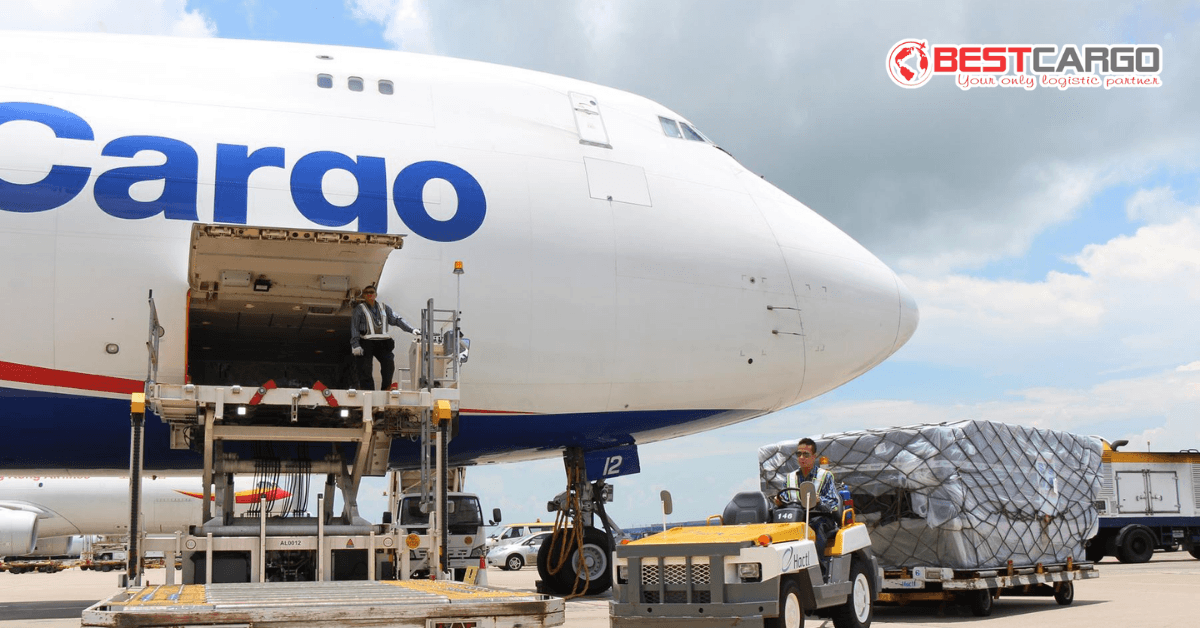
Chinese E-Commerce Exports to Europe Fall Sharply
According to data cited by The Loadstar, Chinese low-value and e-commerce exports to the EU fell 65% year on year in August 2026.
The decline followed a 54% drop in July.
Another dataset from Aevean showed a 16% year-on-year decline in Chinese e-commerce exports in August. Exports to Europe fell by around 40% in the same period.
The trend highlights how quickly regulatory changes can affect international air cargo demand.
EU Introduces New Customs Duty on Small Parcels
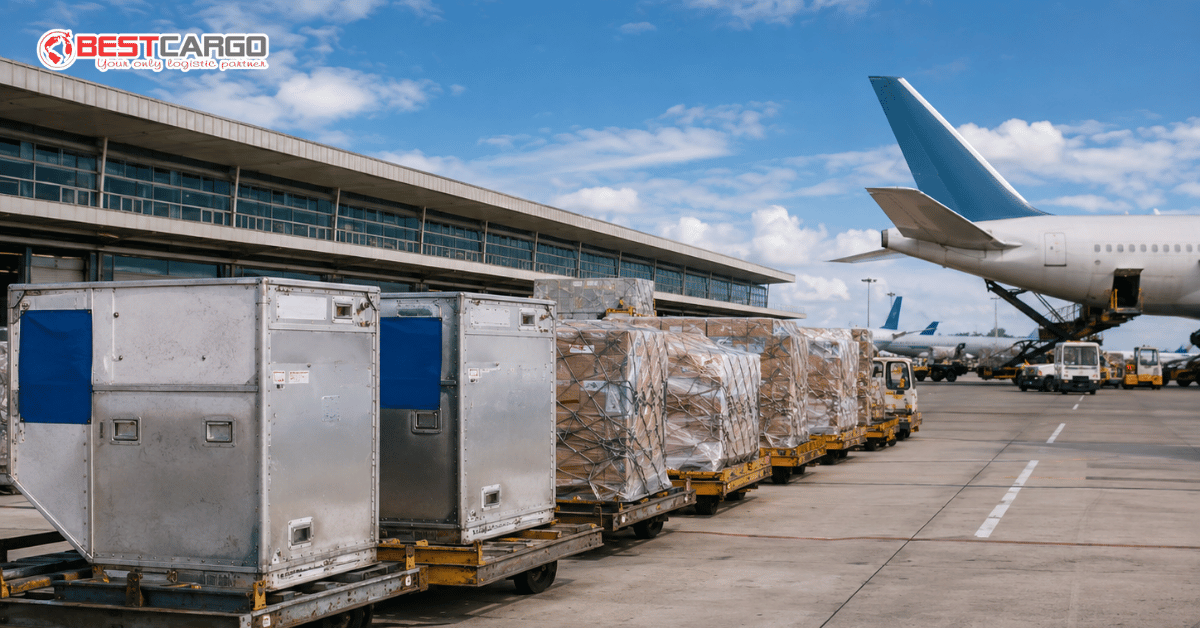
One major factor is the EU’s new customs regime for low-value shipments.
Since 1 July 2026, the EU has applied a temporary €3 customs duty to items in small consignments valued below €150. The duty is calculated by product category within a parcel.
The measure was introduced as part of broader EU customs reform.
The EU said the reform aims to address the rapid growth of low-value e-commerce imports. In 2025, around 5.9 billion low-value e-commerce items entered the EU.
The new rules are changing the economics of direct China-to-consumer shipments.
Air Cargo Flows Are Being Reshaped
The decline in Chinese e-commerce is already affecting Asia–Europe Air Cargo.
WorldACD data showed mainland China-to-Europe tonnage was down 8% year on year in late August. Hong Kong-to-Europe volumes fell much more sharply, with a 33% decline reported for the week ending 23 August.
Another analysis found Asia-Pacific freighter capacity to Europe increased 18% between late June and mid-August.
This suggests airlines are not simply removing capacity from the market.
Instead, cargo networks are being reorganized around changing demand.
European Cargo Gateways Feel the Impact
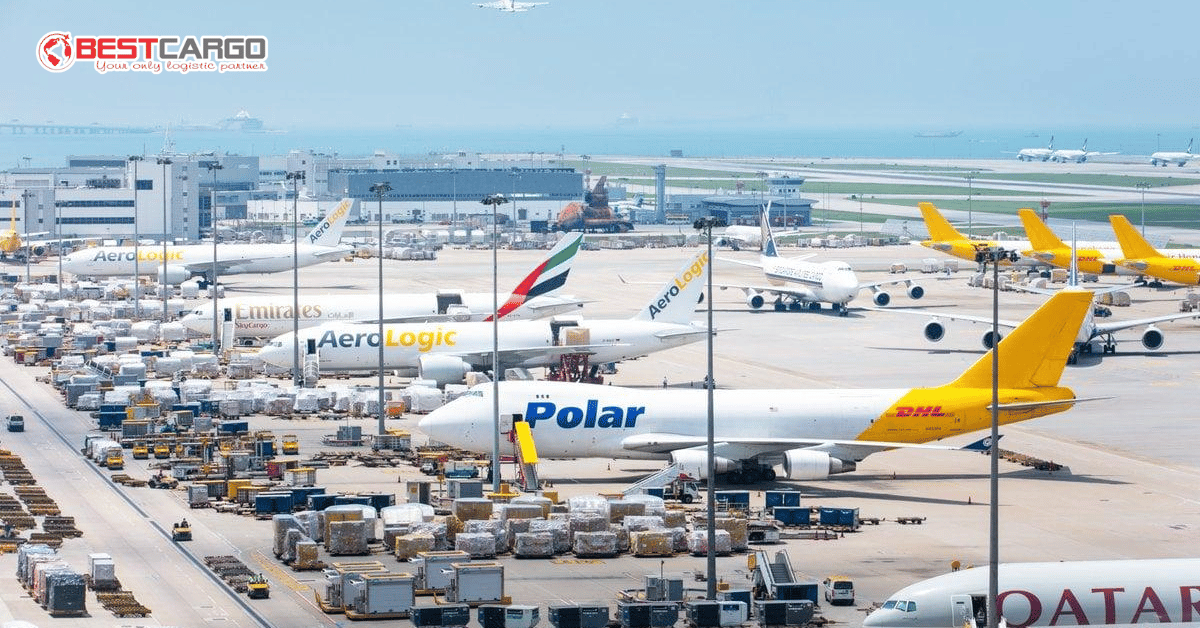
The changes are also visible at major European cargo airports.
Liège, Amsterdam, Budapest, and other e-commerce gateways have experienced significant changes in cargo volumes and capacity.
Liège Airport reported losing around 27% of its Asian cargo following the introduction of the new EU fee. The decline represented about 10% of its overall cargo volume.
Budapest also experienced a major reduction in freighter capacity between June and August.
These developments show that regulatory changes can affect not only airlines but also airports and logistics hubs.
E-Commerce Is Still Important for Air Cargo
Despite the slowdown, e-commerce remains an important source of Air Cargo demand.
Industry data presented at the 2026 EU CBEC Ecommerce Forum showed that global e-commerce air cargo volumes had grown 23% since 2024.
However, growth had flattened in 2026.
The industry is therefore entering a different phase. E-commerce remains a major cargo category, but its growth is no longer as strong as before.
Logistics Companies Are Adapting
The changing market is encouraging freight forwarders and airlines to rethink their network strategies.
Companies are paying more attention to:
- Regional cargo gateways.
- Consolidated shipments.
- Local inventory.
- Alternative airports.
- Flexible freighter capacity.
- Multimodal transportation.
Instead of shipping millions of individual parcels directly from China, some businesses may move more inventory into European warehouses.
This could increase the use of consolidated cargo and traditional distribution models.
What Does This Mean for Air Freight?
The China–Europe e-commerce slowdown could have several long-term effects on Air Freight.
First, airlines may need to adjust freighter capacity between different markets.
Second, logistics providers may focus more on consolidated shipments.
Third, e-commerce companies may increase the use of European fulfillment centers.
Finally, some cargo could shift from direct air transportation to sea freight when delivery speed is less important.
These changes could create a more diversified international logistics network.
What Should Exporters and Logistics Companies Watch?
Businesses operating in international trade should monitor several factors.
EU Customs Regulations
New customs rules can directly affect shipping costs and delivery models.
Cargo Capacity
Airlines may continue to adjust capacity based on changing trade flows.
E-Commerce Demand
Consumer demand remains an important driver of cross-border Air Cargo.
Alternative Logistics Models
Regional warehouses and consolidated shipments may become more important.
Air Freight Rates
Changes in demand and capacity can affect freight rates across major trade lanes.
Frequently Asked Questions
1. Why are China–Europe e-commerce shipments declining?
New EU customs measures have increased costs for low-value shipments. This has contributed to weaker direct China-to-Europe e-commerce flows.
2. How has the EU €3 duty affected Air Cargo?
The new duty has increased the cost of low-value e-commerce shipments. Industry data indicates that this has contributed to lower e-commerce cargo volumes and changes in freighter capacity.
3. Will China–Europe Air Cargo continue to decline?
The latest data shows weaker volumes, but the market is still adjusting. Some indicators also suggest that Asia–Europe cargo volumes may be stabilizing at a lower level.
4.Could cargo shift from air to sea freight?
Yes. For products that are less time-sensitive, higher air transportation costs may encourage businesses to use sea freight or regional inventory models.
5. Is e-commerce still important for Air Cargo?
Yes. E-commerce remains one of the major Air Cargo commodities despite the slowdown in growth during 2026.
Conclusion
The China–Europe e-commerce slump is reshaping Air Cargo flows across the Asia–Europe market.
New EU customs measures have increased pressure on low-value shipments. Chinese e-commerce volumes to Europe have also declined sharply.
Airlines and logistics providers are responding by adjusting capacity and network strategies.
For exporters, freight forwarders, and e-commerce businesses, flexibility will become increasingly important.
The future China–Europe Air Cargo market may rely less on direct parcel flows. Consolidation, regional inventory, and multimodal logistics could play a larger role in the years ahead.
Read more:
Southeast Asia Emerges as Asia’s New Logistics Hub
Gửi bột thạch sương sáo từ Hà Nội sang Mỹ
