


European Air Cargo Faces New Challenges From Changing Import Regulations
The European air cargo industry is facing new challenges as the European Union introduces major changes to import regulations in 2026.
The changes are closely linked to the rapid growth of cross-border e-commerce. They are also increasing pressure on customs authorities and logistics operators.
For Air Cargo companies, the new rules may affect customs procedures, shipment costs, data requirements, and delivery times.
EU Introduces New Customs Duty for Small Parcels
One of the most important changes took effect on 1 July 2026.
The EU introduced a temporary €3 customs duty for goods contained in small parcels valued below €150. The duty applies to each different category of goods in a parcel.
The measure replaces the previous customs duty exemption for low-value parcels.
The temporary system is expected to remain in place until 1 July 2028. It will then be replaced by the EU’s regular customs tariff system once the new customs data hub becomes operational.
Why Is the EU Changing the Rules?
The rapid growth of e-commerce has created significant pressure on the European customs system.
In 2024, around 4.6 billion small parcels entered the EU market.
Around 91% of these shipments came from China.
The EU wants to improve customs control and create fairer competition for European businesses.
The new system also aims to address concerns related to unsafe products, fraud, and environmental impacts.
Air Cargo Operators Face Higher Administrative Pressure
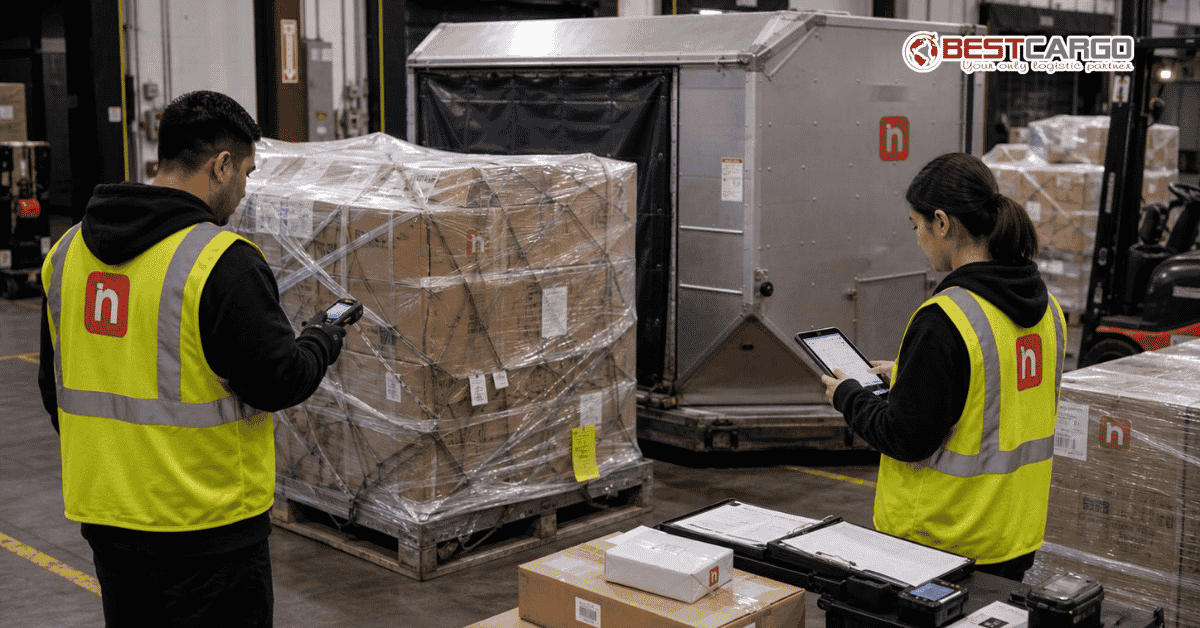
Air cargo operators handle a large volume of international shipments.
Many e-commerce shipments are small and require detailed customs information.
Under the new rules, accurate shipment data becomes even more important.
Air Cargo operators may need to improve:
- Product classification.
- Customs data management.
- Shipment documentation.
- Tariff information.
- Import declarations.
- Communication with customs authorities.
Errors can create additional processing time.
They can also increase the risk of shipment delays.
A New EU Handling Fee Is Also Coming
The €3 customs duty is not the only change.
The EU has also approved a new handling fee for small parcels entering the European market through distance selling and e-commerce.
The fee will be introduced across the EU by 1 November 2026 at the latest.
The European Commission will determine the level of the fee before implementation.
This fee is separate from the €3 customs duty.
The distinction is important for businesses calculating their total import and logistics costs.
What Does This Mean for Air Freight Costs?
The new rules could increase the total cost of shipping small parcels to Europe.
Businesses may need to account for:
- Customs duty.
- Handling fees.
- Customs clearance costs.
- Documentation expenses.
- Additional logistics services.
The impact may be more noticeable for low-value e-commerce shipments.
For these products, even a small additional charge can affect the final selling price.
Freight Forwarders May Need Better Data Systems
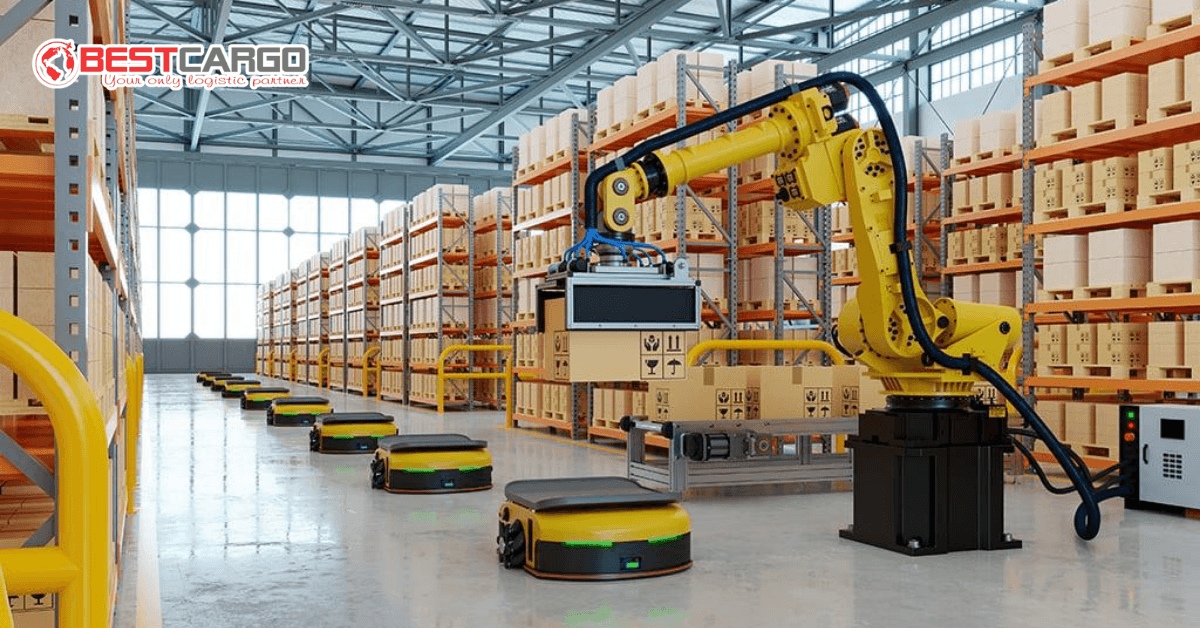
Freight forwarders are also likely to face greater operational requirements.
The EU is moving toward a more centralized customs system.
The new customs data hub will provide a single platform for importers and exporters to interact with customs authorities.
The system is expected to become operational for e-commerce goods from 1 July 2028.
This could encourage logistics companies to invest more heavily in digital customs systems.
ICS2 Requirements Also Remain Important
Another major development is the continued implementation of the EU’s Import Control System 2 (ICS2).
From 1 June 2026, consignments entering EU territory by any transport mode must have a valid Entry Summary Declaration through the applicable ICS2 or NCTS process.
The European Commission also emphasizes the importance of accurate and complete data in ICS2 filings.
For Air Cargo operators, this makes data quality a key part of customs compliance.
E-Commerce Platforms Face Greater Responsibility
The EU’s updated customs framework also changes responsibilities for online platforms.
Non-EU e-commerce platforms selling goods to European consumers can be treated as the importer.
They will therefore be responsible for customs formalities and duty payments rather than leaving these obligations to the final consumer.
This change could affect how e-commerce companies organize their logistics operations.
It may also increase cooperation between online platforms, freight forwarders, and customs brokers.
New Penalties for Non-Compliance
The EU is also introducing stronger penalties for e-commerce operators that fail to meet customs obligations.
In serious cases, penalties may reach 6% of the company’s annual import value from the previous year.
Companies may also lose certain customs privileges.
This creates another reason for businesses to improve shipment data and customs compliance.
How Could This Affect Asian Air Cargo?
The changes are particularly important for Asia-Europe trade.
A significant share of small e-commerce shipments entering Europe comes from Asian markets.
Air freight is widely used for products that require fast delivery.
These include:
- Electronics.
- Fashion products.
- Accessories.
- Consumer goods.
- Small industrial products.
- Premium products.
Higher import costs could encourage businesses to reconsider their shipping and fulfillment strategies.
Could Businesses Consolidate More Shipments?
The new environment may encourage companies to improve shipment consolidation.
Instead of sending many individual parcels, businesses could explore centralized fulfillment or consolidated cargo.
This approach may help improve logistics efficiency.
However, the best solution will depend on product value, destination, delivery requirements, and customs arrangements.
What Should Air Cargo Businesses Prepare For?
Air cargo operators and exporters should begin preparing for the changing regulatory environment.
Important actions include:
- Review EU customs requirements.
- Improve product classification.
- Verify shipment data.
- Prepare accurate customs declarations.
- Monitor new handling fee rules.
- Strengthen cooperation with freight forwarders.
- Invest in digital customs processes.
Early preparation can reduce the risk of delays and unexpected costs.
Impact on European Air Cargo
The new regulations represent a broader transformation of the European customs system.
The EU is moving toward greater digitalization and stronger control over international shipments.
For Air Cargo operators, this means customs compliance will become increasingly connected with technology and data quality.
Companies that can process accurate shipment information quickly may gain an advantage.
Frequently Asked Questions
1. What changed for small parcels entering the EU in 2026?
Since 1 July 2026, a temporary €3 customs duty has applied to each category of goods contained in small parcels valued below €150.
2. Is the €3 customs duty the same as the handling fee?
No. They are separate measures. The new EU-wide handling fee is expected to apply no later than 1 November 2026.
3. How could the new rules affect Air Cargo?
They may increase import costs and create additional requirements for customs data, shipment classification, and documentation.
4. Why is accurate cargo data becoming more important?
EU customs systems such as ICS2 require comprehensive shipment information. Accurate data helps customs authorities assess risks and process cargo more efficiently.
5. What should exporters do?
Exporters should review EU import requirements, improve customs data, and work with experienced freight forwarders to manage changing regulations.
Conclusion
European Air Cargo is entering a period of significant regulatory change in 2026. The introduction of the €3 customs duty for small parcels and the upcoming handling fee are changing the cost structure of cross-border e-commerce shipments.
At the same time, the EU is strengthening digital customs systems and increasing responsibilities for e-commerce operators.
For Air Cargo businesses, accurate data, efficient customs procedures, and flexible logistics planning will become increasingly important in maintaining fast and reliable delivery across Europe.
Read more:
Southeast Asia Emerges as Asia’s New Logistics Hub
Gửi bột thạch sương sáo từ Hà Nội sang Mỹ
