



Global Air Cargo Traffic Reaches New Milestones in 2026
The global air cargo market continues to show strong momentum in 2026. Demand has remained positive despite geopolitical tensions, changing trade policies, and pressure on transportation costs.
According to the International Air Transport Association (IATA), global air cargo demand increased by 3.9% year on year in July 2026. International cargo demand grew by 4.7% during the same period.
The latest figures highlight the important role of air cargo in supporting international trade and global supply chains.
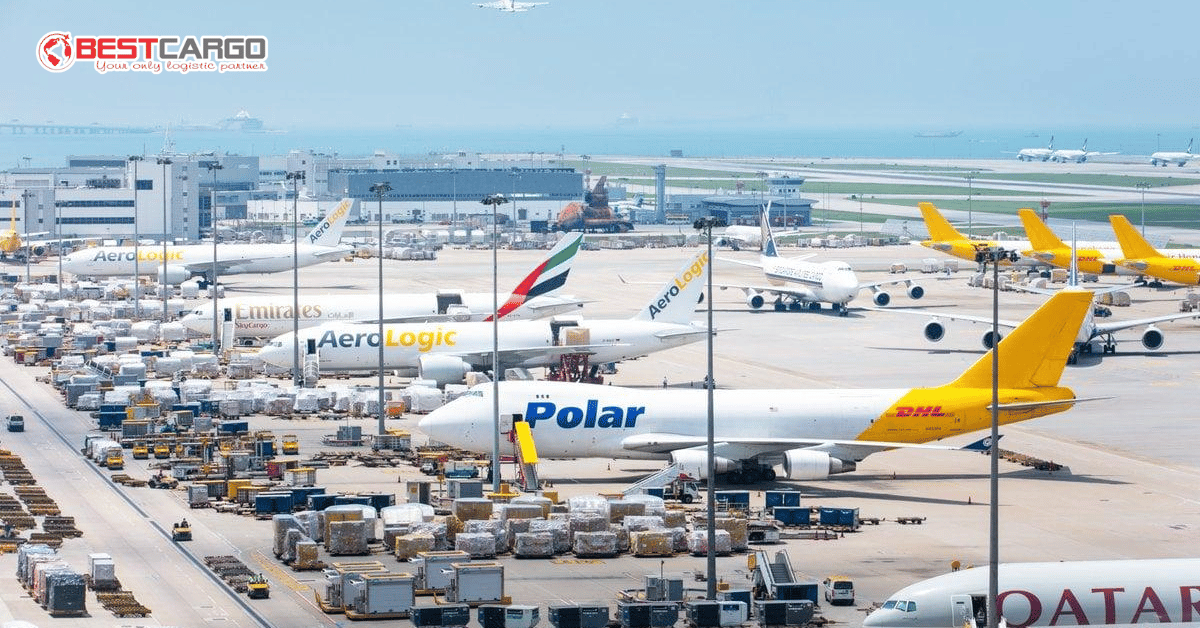
Global Air Cargo Demand Continues to Grow
Air cargo demand has increased throughout much of 2026.
In January, global demand rose by 5.6% compared with January 2025. International demand increased by 7.2%.
The market then continued to expand during the following months.
In May, global demand grew by 6.0%. International demand increased by 6.5%.
By June, global demand reached an 8.5% year-on-year increase. International demand rose by 9.6%.
Although growth moderated in July, the market remained firmly in positive territory.
Demand Is Growing Faster Than Capacity
One of the most important developments is the gap between demand and available capacity.
In July, global air cargo capacity increased by 1.7%. This was significantly below the 3.9% growth in demand.
When demand grows faster than capacity, available cargo space can become more competitive.
This situation can affect exporters and importers in several ways.
Businesses may face:
- Higher demand for cargo space.
- Greater pressure on popular routes.
- More competition during peak periods.
- Less flexibility for urgent shipments.
- Potential pressure on freight rates.
For companies shipping time-sensitive products, capacity planning is therefore becoming increasingly important.
Asia-Pacific Remains a Major Growth Driver

Asia-Pacific continues to play an important role in the global air cargo market.
In July, airlines in the region recorded a 6.1% increase in air cargo demand compared with the same month in 2025. Capacity increased by 2.3%.
The region benefits from strong manufacturing activity and international trade.
Major markets across Asia also have strong connections with North America and Europe.
This makes Asia-Pacific an important region for exporters and logistics companies.
Asia–North America Trade Lane Shows Strong Growth
The Asia–North America corridor has become one of the strongest international air cargo markets.
IATA reported that demand on the Asia–North America route increased by 13.5% in July 2026.
This growth reflects the importance of trans-Pacific trade.
Electronics, technology products, e-commerce shipments, and other high-value goods are among the products that benefit from fast air transportation.
The continued growth of this corridor could also increase demand for cargo capacity between major Asian and North American airports.
Europe Also Maintains Positive Growth
European airlines also recorded continued growth in July.
Air cargo demand increased by 5.6% year on year, while capacity grew by 2.4%.
The European market remains closely connected with Asia and North America.
However, geopolitical developments continue to influence some routes.
Airlines have had to adjust networks and manage operational challenges caused by disruptions in parts of the Middle East.
Asia-Pacific Remains a Major Growth Driver

While global demand continues to grow, the Middle East air cargo market has faced stronger challenges.
IATA reported that Middle Eastern airlines experienced a contraction in cargo demand during May. Demand fell 8.9% year on year.
By June, however, the region returned to growth, with demand increasing by 5.6%.
The situation demonstrates how quickly geopolitical conditions can influence regional air cargo networks.
Middle Eastern aviation hubs remain important for international cargo connections.
Disruptions in the region can therefore affect routes between Asia, Europe, Africa, and other markets.
E-Commerce Continues to Support Air Cargo
The expansion of cross-border e-commerce is another important factor supporting air cargo demand.
Online retailers increasingly require fast international delivery.
Consumers also expect shorter delivery times.
As a result, air freight remains attractive for:
- Electronics.
- Fashion products.
- High-value goods.
- Small e-commerce shipments.
- Urgent orders.
- Technology products.
This trend is creating additional demand for reliable international cargo services.
What Does This Mean for Exporters?
Growing air cargo demand creates both opportunities and challenges.
Exporters can benefit from stronger demand for international transportation.
However, businesses also need to manage available capacity carefully.
Companies should consider:
- Planning shipments earlier.
- Monitoring cargo capacity.
- Comparing different airlines.
- Maintaining alternative routes.
- Working with experienced freight forwarders.
- Allowing additional time during peak periods.
Good planning can help businesses respond more effectively to changes in the air cargo market.
The Importance of Flexible Air Cargo Networks
The 2026 market shows that flexibility is becoming increasingly important.
Airlines and freight forwarders need to respond quickly when trade flows change.
Alternative airports and routes can help maintain cargo movement when traditional connections become difficult.
This is especially important during geopolitical disruptions or sudden changes in international trade.
IATA has noted that air cargo networks have demonstrated considerable flexibility while adapting to geopolitical and trade-related pressures.
What Is the Outlook for Air Cargo?
The outlook for the global air cargo market remains positive.
Strong demand from Asia-Pacific and North America continues to support growth.
At the same time, the market still faces several risks.
These include:
- Geopolitical conflicts.
- Trade policy changes.
- Tariff uncertainty.
- Fuel costs.
- Limited cargo capacity.
- Regional transportation disruptions.
IATA’s July data shows that demand is still growing, although the pace has moderated compared with June.
Frequently Asked Questions
1. How much did global air cargo demand grow in July 2026?
Global air cargo demand increased by 3.9% year on year in July 2026. International demand increased by 4.7%.
2. Which region is driving air cargo growth?
Asia-Pacific remains one of the major contributors to global growth. North American carriers also recorded strong demand growth in July.
3. Is air cargo capacity growing as fast as demand?
No. Global demand increased by 3.9% in July, while capacity increased by 1.7%.
4. Why is air cargo important for international trade?
Air cargo provides fast transportation for high-value, urgent, and time-sensitive products. It also supports global e-commerce and international supply chains.
5. What should exporters do when cargo capacity is limited?
Exporters should plan shipments early, compare airlines, monitor capacity, and maintain alternative transportation options.
Conclusion
Global air cargo traffic continues to grow in 2026, supported by strong trade flows, e-commerce, and demand for fast international transportation.
July data shows that global demand increased by 3.9%, while capacity grew by only 1.7%. This gap highlights the importance of capacity planning for exporters and logistics companies.
As global trade patterns continue to change, flexible networks and effective logistics planning will remain essential. Businesses that can adapt quickly to changes in routes, capacity, and market conditions will be better positioned to manage the evolving international air cargo market.
Read more:
Southeast Asia Emerges as Asia’s New Logistics Hub
Gửi bột thạch sương sáo từ Hà Nội sang Mỹ
