


Green Air Freight: The Future of Sustainable Logistics
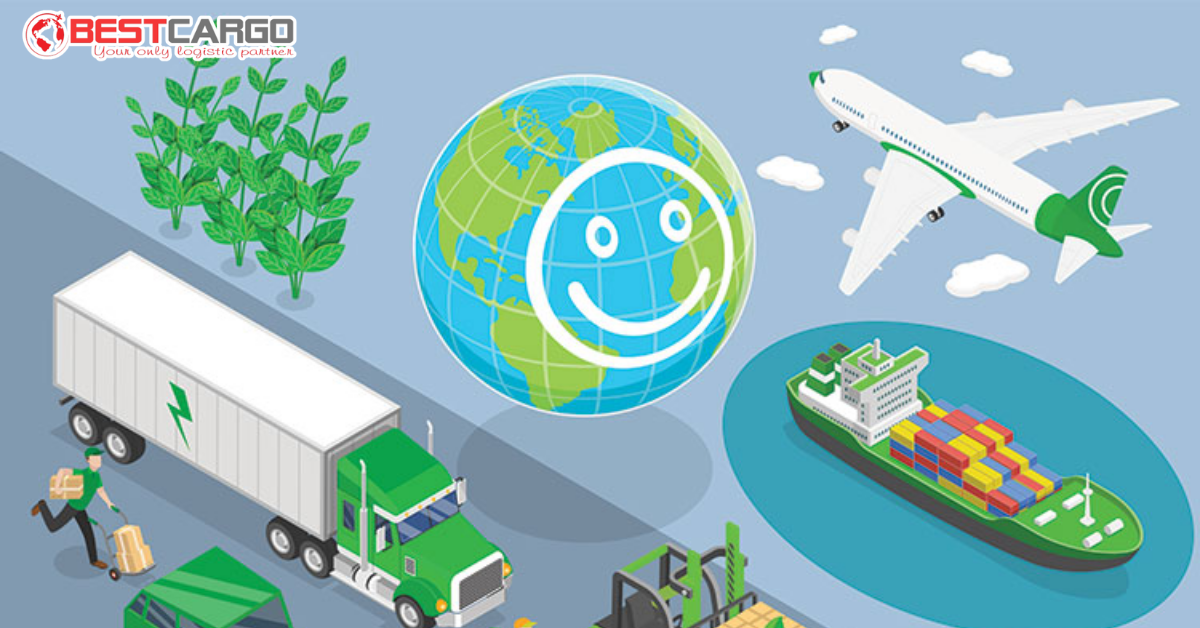
As environmental concerns continue to grow worldwide, the logistics industry is under increasing pressure to reduce its carbon footprint. While air freight remains one of the fastest transportation methods for international trade, it also faces challenges related to greenhouse gas emissions. In response, airlines, logistics providers, and governments are investing in green air freight solutions to create a more sustainable future.
This shift is transforming the air cargo industry and encouraging businesses to adopt environmentally responsible logistics practices.
What Is Green Air Freight?
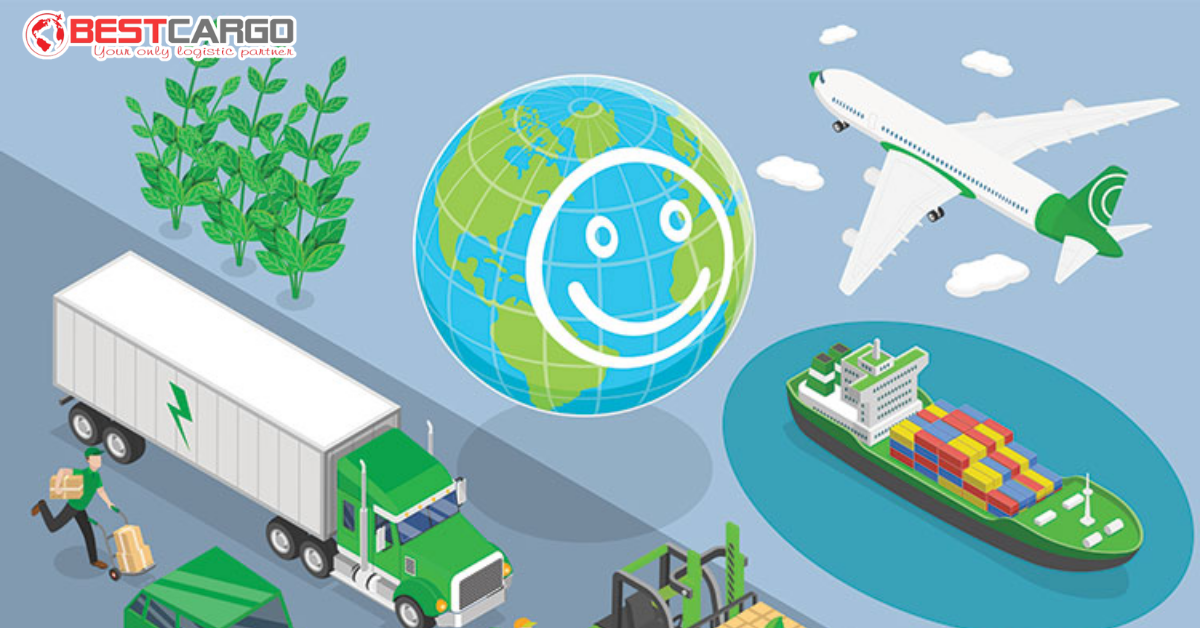
Green air freight refers to initiatives and technologies designed to reduce the environmental impact of air cargo transportation. These efforts focus on lowering carbon emissions, improving fuel efficiency, minimizing waste, and adopting cleaner technologies throughout the logistics process.
Sustainability is becoming an important factor for companies seeking to balance operational efficiency with environmental responsibility.
Why Sustainability Matters in Air Freight
Global trade continues to expand, leading to higher demand for international transportation. As air cargo volumes increase, reducing emissions has become a priority for the aviation and logistics industries.
Sustainable air freight helps:
- Reduce carbon emissions.
- Improve fuel efficiency.
- Support corporate sustainability goals.
- Meet environmental regulations.
- Enhance a company’s reputation among environmentally conscious customers.
Many businesses now consider sustainability when selecting logistics partners.
Key Trends Driving Green Air Freight
Several innovations are helping make air freight more sustainable.
Sustainable Aviation Fuel (SAF)
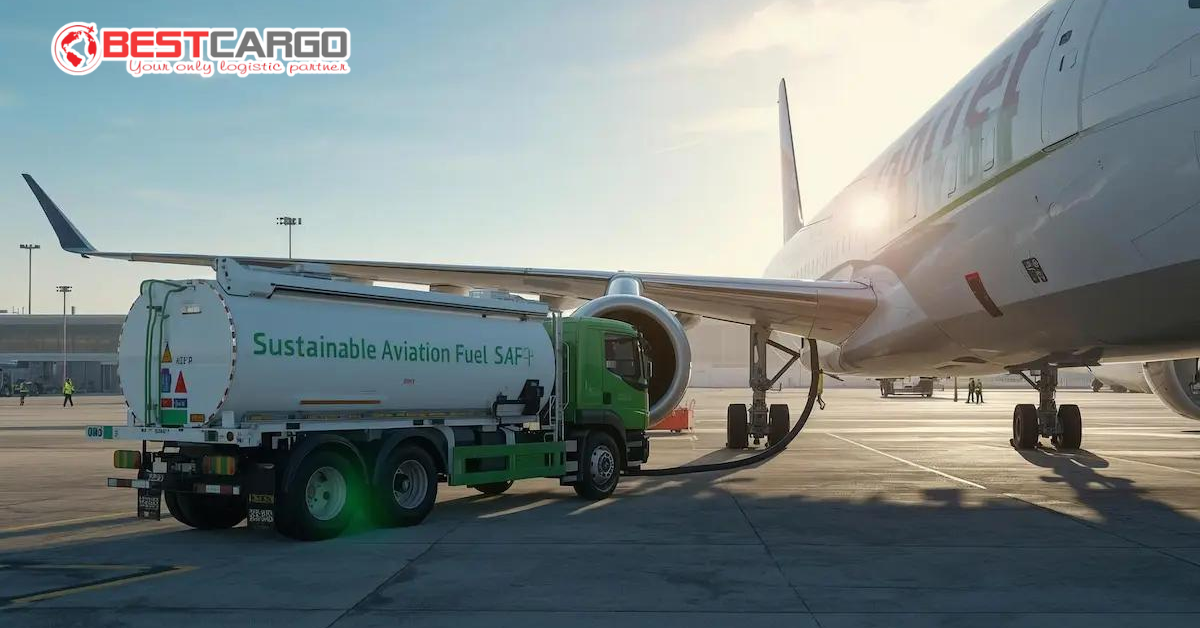
Sustainable Aviation Fuel is one of the most promising developments in aviation. Compared with conventional jet fuel, SAF has the potential to significantly reduce lifecycle carbon emissions while remaining compatible with many existing aircraft.
More Fuel-Efficient Aircraft
Modern cargo aircraft are designed with advanced aerodynamics and lighter materials that improve fuel efficiency and reduce emissions.
Digital Logistics
Digital technologies help optimize shipping routes, reduce empty cargo space, and improve operational efficiency through real-time tracking and data analysis.
Eco-Friendly Packaging
Many businesses are replacing excessive packaging with recyclable or biodegradable materials, reducing waste throughout the supply chain.
Carbon Offset Programs
Some logistics companies and airlines offer carbon offset programs, allowing businesses to support environmental projects that help compensate for transportation-related emissions.
How Businesses Can Support Sustainable Logistics
Companies can contribute to greener logistics by:
- Choosing optimized shipping schedules.
- Reducing unnecessary packaging.
- Consolidating shipments.
- Using recyclable packaging materials.
- Working with logistics providers committed to sustainability.
Even small improvements can reduce environmental impact over time.
Challenges of Green Air Freight
Although sustainable logistics is gaining momentum, several challenges remain.
These include:
- Higher costs for sustainable aviation fuel.
- Limited availability of green technologies.
- Investment required for fleet modernization.
- Complex international environmental regulations.
Despite these challenges, industry experts expect sustainability initiatives to continue expanding in the coming years.
The Future of Sustainable Air Freight
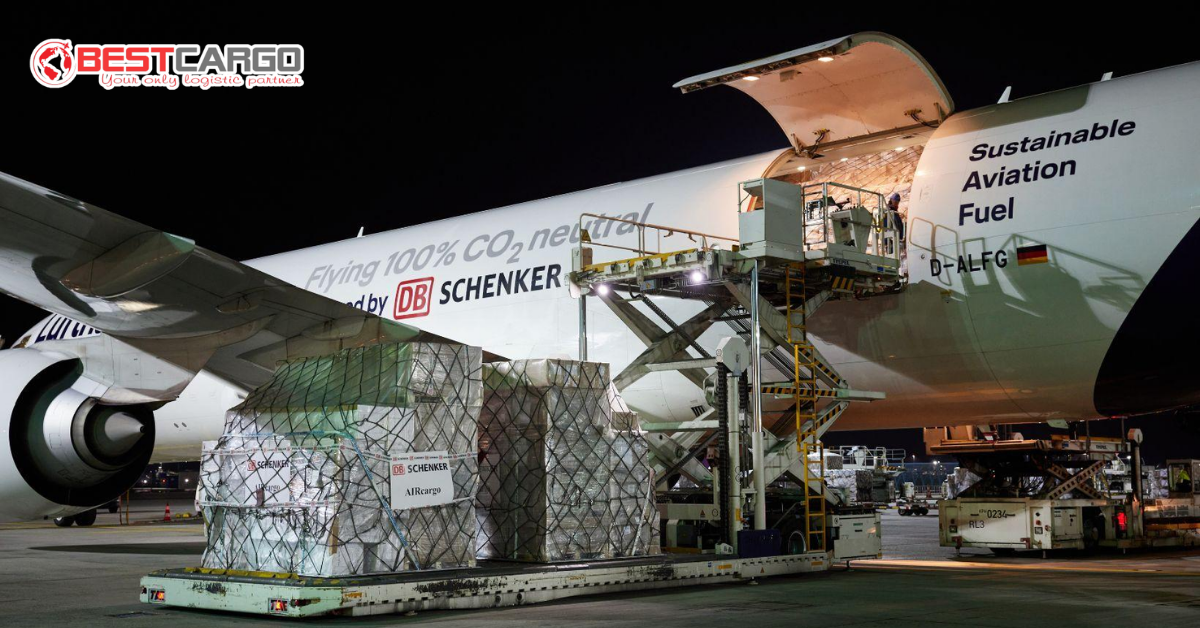
Technological innovation, stronger environmental policies, and growing customer expectations are expected to accelerate the adoption of green logistics solutions.
Future developments may include:
- Greater use of sustainable aviation fuel.
- AI-driven route optimization.
- Increased automation in cargo handling.
- More energy-efficient airport operations.
- Wider adoption of carbon-neutral logistics strategies.
These advancements will help the industry balance economic growth with environmental responsibility.
What This Means for the Logistics Industry
As sustainability becomes a competitive advantage, logistics providers that invest in greener operations will be better positioned to meet customer expectations and comply with future environmental standards.
Businesses that embrace sustainable logistics today may benefit from improved efficiency, stronger brand reputation, and long-term resilience.
Conclusion
Green air freight represents an important step toward a more sustainable logistics industry. While challenges remain, continued investment in cleaner technologies, sustainable aviation fuel, digital innovation, and environmentally responsible practices is helping shape the future of international air cargo.
As global trade continues to evolve, sustainable logistics will play an increasingly important role in creating a more efficient and environmentally friendly supply chain.
Xem thêm:
The Growth of Cross-Border E-commerce and Air Freight
Dịch Vụ Vận Chuyển Vải Lụa Đi Pháp Làm Quà Tặng Nhanh Chóng
