



How Moisture and Pressure Affect Air Cargo Packaging
Moisture and pressure are two important factors that can affect air cargo packaging during international transportation. Changes in humidity, temperature, and atmospheric pressure can influence packaging materials and the condition of goods during a flight.
For this reason, businesses need to understand how moisture and pressure affect different types of cargo. Poor packaging can lead to condensation, corrosion, deformation, or damage to sensitive products.
Understanding the impact of moisture and pressure can help shippers choose suitable packaging materials and reduce the risk of cargo damage during air transportation.
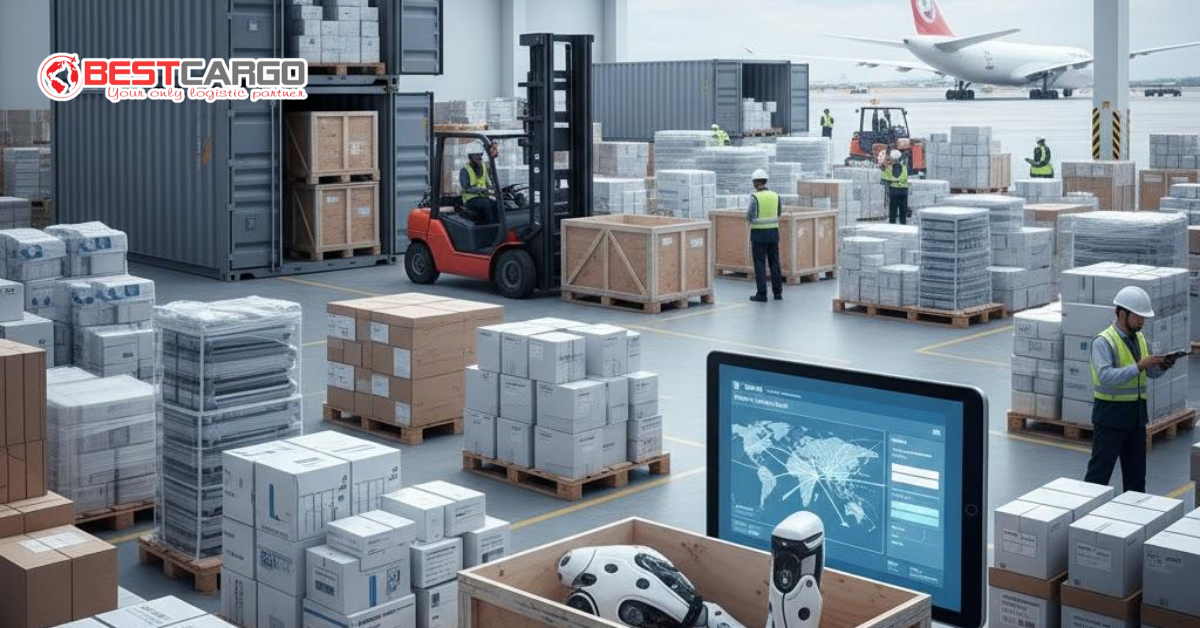
Why Air Cargo Packaging Matters
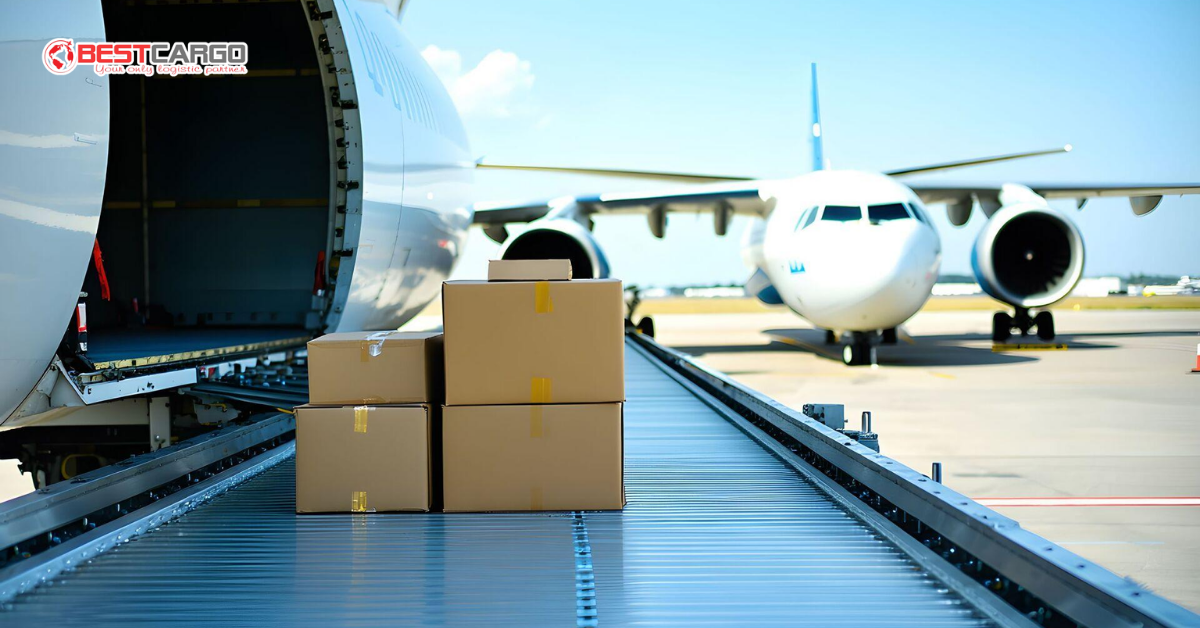
Protecting Goods During Transportation
Air cargo can experience handling, vibration, stacking, temperature changes, and pressure variations.
Packaging provides a protective barrier between the cargo and the external environment.
A suitable packaging solution should maintain the condition of the product from the warehouse to the aircraft and finally to the destination.
Different Cargo Requires Different Packaging
Not all products have the same packaging requirements.
Electronics may require protection against moisture and static electricity. Food products may need moisture barriers and temperature control.
Fragile equipment may require shock-absorbing materials, while industrial machinery may need reinforced wooden or metal packaging.
How Moisture Affects Air Cargo Packaging
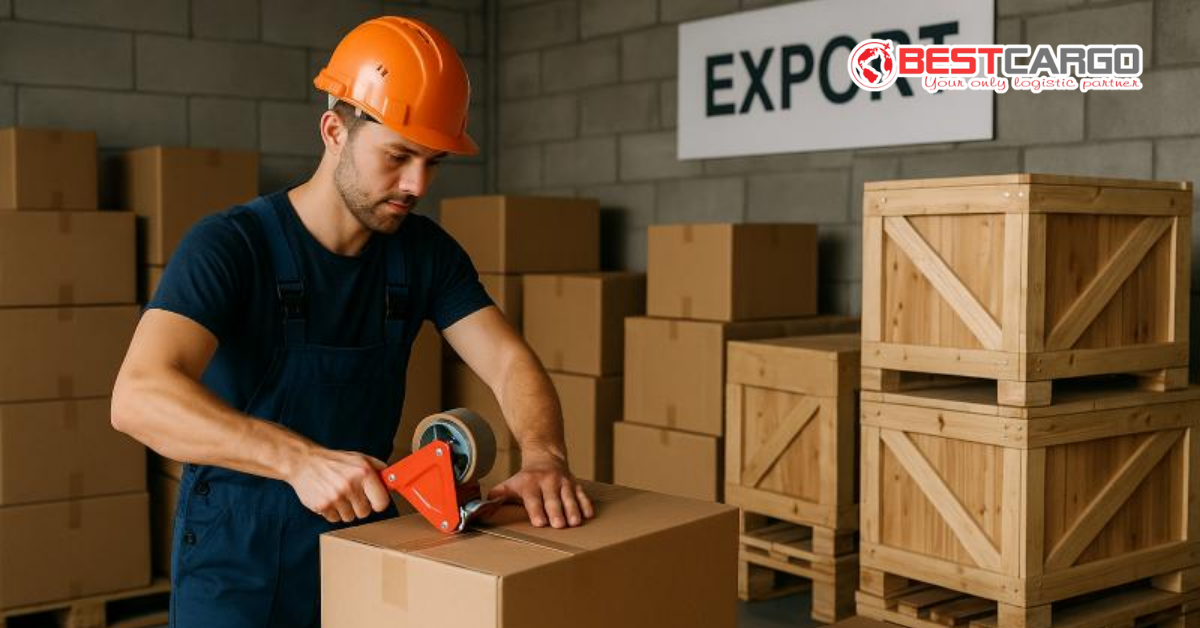
Humidity Can Damage Products
Moisture is one of the common risks during cargo transportation.
Cargo may be exposed to humid air when it is stored, handled, or transferred between facilities.
Excessive moisture can cause corrosion, mold, packaging deterioration, and damage to sensitive products.
Condensation Can Occur During Temperature Changes
Temperature changes can create condensation inside or around cargo packaging.
For example, cargo may move from a warm warehouse into a cold aircraft environment. When the temperature changes, moisture can accumulate on surfaces.
This can be particularly problematic for metal products, electronics, food, and other moisture-sensitive goods.
Packaging Materials Can Absorb Moisture
Some packaging materials can absorb moisture from the surrounding environment.
Cardboard, paper, and certain wooden materials may lose strength when exposed to high humidity.
Wet packaging can become weaker and less capable of protecting the cargo during handling and stacking.
How to Protect Cargo From Moisture
Use Moisture-Resistant Packaging
Shippers can use plastic wrapping, moisture-barrier bags, sealed liners, or other protective materials depending on the product.
The packaging should create an effective barrier against external humidity.
Use Desiccants When Appropriate
Desiccants can help absorb moisture inside sealed packaging.
Silica gel and other moisture-absorbing materials are commonly used for products that are sensitive to humidity.
However, the appropriate type and quantity should be selected according to the cargo and packaging environment.
Seal the Packaging Properly
Even high-quality moisture-resistant materials may not provide sufficient protection if the package is not properly sealed.
Sealing helps prevent humid air from entering the package during transportation.
How Air Pressure Affects Cargo Packaging
Pressure Changes During Flight
Commercial aircraft normally operate at high altitudes where atmospheric pressure is much lower than at ground level.
The cargo compartment is designed to maintain an appropriate environment for transportation. However, packaging may still experience pressure differences during aircraft ascent and descent.
These changes can affect sealed or partially sealed packages.
Sealed Packaging Can Expand
When a package is sealed at ground level, the air trapped inside may have a different pressure compared with the surrounding environment during flight.
As the aircraft climbs, the pressure outside the package decreases.
If the package is completely sealed and not designed to handle pressure differences, it may expand or become deformed.
In some cases, seals or packaging components can fail.
Flexible Packaging Can Be Affected
Plastic bags, flexible containers, and vacuum-packed products may change shape when exposed to pressure differences.
The effect depends on the packaging design, internal air volume, product characteristics, and transportation conditions.
Packaging Solutions for Pressure-Sensitive Cargo
Avoid Unnecessary Air Trapping
Packaging designers should consider the amount of air trapped inside a package.
Reducing unnecessary empty space can help minimize deformation caused by pressure changes.
However, the packaging must still provide sufficient protection against impacts and vibration.
Use Pressure-Resistant Containers
Certain products may require specially designed containers that can tolerate pressure changes.
This is particularly important for sensitive equipment, liquid products, medical materials, and other specialized cargo.
Follow Manufacturer Requirements
Some products have specific packaging requirements provided by the manufacturer.
Shippers should follow these requirements instead of using a standard packaging solution for every shipment.
Moisture and Pressure Can Work Together
Moisture and pressure should not always be considered separately.
Changes in temperature can influence humidity and condensation. At the same time, pressure changes can affect sealed packaging.
A poorly designed package may therefore face several risks during the same journey.
For sensitive cargo, packaging should be evaluated based on the complete transportation environment.
Which Types of Cargo Need Extra Protection?
Electronics
Electronic equipment can be highly sensitive to moisture.
Condensation may cause corrosion or electrical problems.
Moisture barriers, desiccants, and suitable internal protection can help reduce these risks.
Metal Products
Metal components may be vulnerable to corrosion when exposed to moisture for extended periods.
Protective wrapping and corrosion-resistant packaging methods may be required.
Food and Agricultural Products
Food products can be affected by humidity and temperature fluctuations.
The packaging must be suitable for the product and its required storage conditions.
Some shipments may also require temperature-controlled transportation.
Pharmaceuticals and Medical Products
Pharmaceutical products often have strict transportation requirements.
Packaging may need to control temperature, humidity, light exposure, and physical impact.
Specialized packaging solutions may therefore be necessary.
Common Air Cargo Packaging Mistakes
Using Ordinary Packaging for International Air Freight
Packaging suitable for domestic transportation may not always be appropriate for international air freight.
Longer transportation times and multiple handling points can increase the risk of damage.
Leaving Too Much Empty Space
Excessive empty space can allow products to move inside the package.
This can increase the risk of impact and deformation.
Failing to Consider Moisture
A package may look strong but still provide poor protection against humidity.
Moisture-sensitive products require additional protective measures.
How Businesses Can Improve Air Cargo Packaging
Businesses should evaluate packaging before shipping sensitive goods internationally.
A good packaging plan should consider:
- Product characteristics.
- Weight and dimensions.
- Moisture sensitivity.
- Pressure sensitivity.
- Temperature conditions.
- Handling requirements.
- Transportation duration.
- Applicable airline and regulatory requirements.
Testing packaging under simulated transportation conditions can also help identify weaknesses before goods are shipped.
Frequently Asked Questions
1. Does air pressure damage all types of cargo packaging?
No. Most standard air cargo packaging is designed to tolerate normal transportation conditions. Pressure-related problems are more likely to occur with sealed, flexible, or pressure-sensitive packaging.
2. Can moisture damage air cargo during a flight?
Yes. Humidity and condensation can contribute to corrosion, mold, packaging deterioration, and product damage.
3. Should every air shipment use silica gel?
Not necessarily. Desiccants are useful for moisture-sensitive products, but the appropriate packaging method depends on the cargo and transportation conditions.
4. Why can sealed packages expand during air transportation?
Pressure outside the package can decrease as the aircraft climbs. If the pressure inside the sealed package remains higher, the package may expand or deform.
5. How can businesses reduce moisture and pressure risks?
Businesses should select suitable packaging materials, use moisture barriers when necessary, consider pressure differences, properly secure the cargo, and follow product-specific packaging requirements.
Conclusion
Moisture and pressure are important factors in air cargo packaging. Changes in humidity, temperature, and atmospheric pressure can affect both packaging materials and the products inside.
Using moisture-resistant materials, suitable sealing methods, desiccants, and pressure-tolerant packaging can help reduce transportation risks.
For businesses shipping sensitive products internationally, packaging should be considered an essential part of the logistics process rather than simply a protective outer layer.
A well-designed packaging solution can reduce damage, improve cargo reliability, and help ensure that goods arrive at their destination in good condition.
Read more:
TIACA Air Cargo Forum: The Future of Global Air Freight
Gửi bột thạch sương sáo từ Hà Nội sang Mỹ
