



How to Pack Goods for International Air Freight
How to Pack Goods for International Air Freight is one of the most important considerations for businesses and individuals shipping goods overseas. Proper packaging not only protects products from damage during transit but also helps ensure compliance with airline and customs regulations. By using the right packing materials and techniques, you can reduce shipping risks, avoid unnecessary costs, and ensure your cargo arrives safely at its destination.
Why Proper Packaging Matters
International air freight involves multiple handling stages, including pickup, airport processing, customs clearance, and final delivery. Proper packaging offers several benefits:
- Protects goods from damage during transportation.
- Reduces the risk of moisture and dust exposure.
- Helps prevent delays caused by damaged packaging.
- Makes handling and loading more efficient.
- Meets airline and international shipping requirements.
Choose the Right Packaging Materials
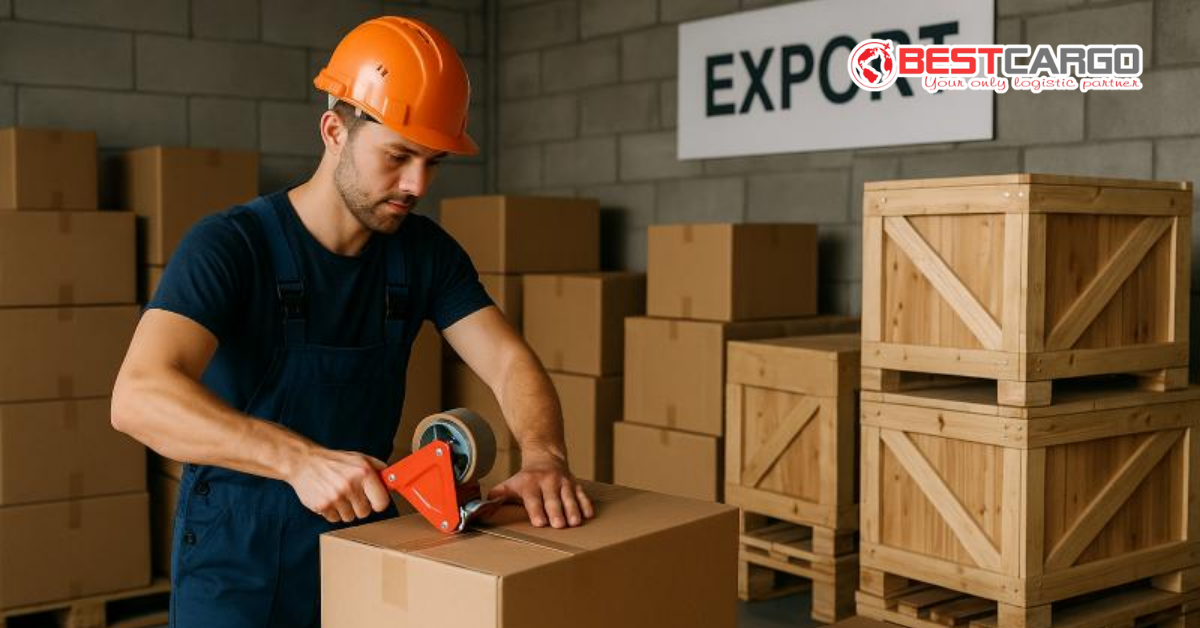
The packaging materials should match the type of goods being shipped.
Common packaging materials include:
- Strong corrugated cardboard boxes.
- Bubble wrap.
- Foam padding.
- Stretch film.
- Packing tape.
- Wooden crates for heavy or fragile items.
- Anti-static bags for electronic components.
Using high-quality materials helps minimize damage during transport.
Pack Goods Securely
To ensure maximum protection:
- Wrap fragile items individually.
- Fill empty spaces with cushioning materials.
- Seal the box securely with strong packing tape.
- Avoid overloading the carton.
- Keep the weight evenly distributed.
Proper packing reduces movement inside the package during transit.
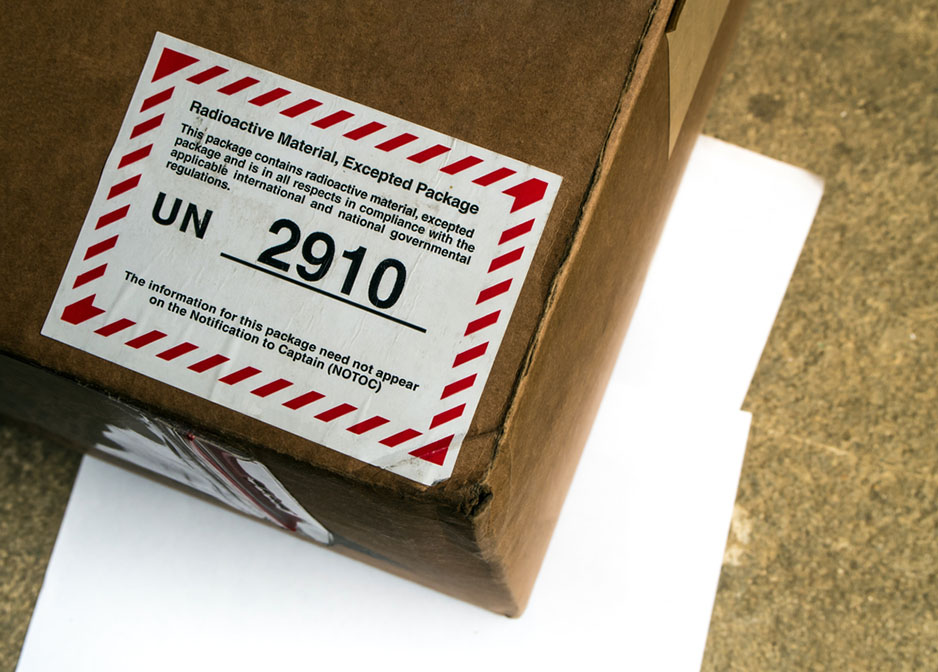
Label the Shipment Clearly
Each shipment should include:
- Sender’s full name and address.
- Recipient’s full name and address.
- Contact phone number.
- Shipping labels.
- Handling labels such as “Fragile,” “This Side Up,” or “Handle with Care” when necessary.
Clear labeling helps prevent delivery errors and improves handling efficiency.
Special Packaging for Different Types of Goods
Some products require additional protection:
- Electronics: Use anti-static bags and shock-absorbing materials.
- Glass products: Wrap individually with multiple protective layers.
- Cosmetics: Seal containers tightly to prevent leakage.
- Documents: Use waterproof envelopes or rigid document mailers.
- Food products: Vacuum seal when appropriate and follow destination country regulations.
Packaging Mistakes to Avoid
Avoid these common mistakes:
- Using weak or damaged boxes.
- Leaving empty space inside cartons.
- Insufficient protective padding.
- Incorrect labeling.
- Ignoring airline packaging requirements.
These mistakes may increase the risk of damage or customs issues.
Shipping Costs and Packaging
Packaging can affect shipping costs because airlines often calculate freight charges based on actual weight or volumetric weight.
Compact and efficient packaging can help reduce transportation costs while maintaining product safety.
Best Cargo – Your Trusted Air Freight Partner
Best Cargo provides international air freight services with professional packing support for businesses and individuals. Our experienced team helps customers choose the most suitable packaging solutions while ensuring compliance with airline and customs requirements.
Whether you are shipping documents, electronics, cosmetics, samples, or commercial goods, Best Cargo is committed to delivering safe, reliable, and cost-effective logistics solutions.
Frequently Asked Questions
1. What is the best packaging material for air freight?
Strong corrugated boxes combined with bubble wrap, foam, and quality packing tape are commonly recommended for most shipments.
2. Can I use second-hand boxes?
It is not recommended. New, sturdy boxes provide better protection and reduce the risk of damage during transportation.
3. Does packaging affect shipping costs?
Yes. Oversized packaging may increase volumetric weight, which can result in higher air freight charges.
4. How should fragile items be packed?
Fragile items should be wrapped individually with protective materials, placed in sturdy boxes, and clearly labeled as “Fragile.”
Conclusion
Proper packaging is essential for safe and efficient international air freight. Choosing the right materials, securing items correctly, and following airline guidelines can help protect your shipment and avoid unnecessary delays or costs.
If you are looking for a reliable international air freight service, Best Cargo is ready to assist with expert packing advice and comprehensive shipping solutions.
Xem thêm:
How Artificial Intelligence Is Transforming the Air Transportation
Gửi rong biển sấy khô từ Nha Trang đi Saratov
