



UK Air Cargo Recovers After Major Air Traffic Control Disruption
UK air cargo is recovering after a major air traffic control disruption affected flights across the country. The incident created delays for airlines, freight forwarders, express operators, and cargo customers.
The disruption highlighted the important role of air traffic control systems in keeping international cargo networks moving. Even a temporary interruption can create delays across multiple airports and connecting routes.

Air Traffic Control Disruption Affects UK Cargo Operations
The disruption was linked to an incident involving NATS, the UK’s air navigation service provider. Air traffic control operations were affected, leading to flight delays and cancellations.
For the air cargo industry, the impact extended beyond individual flights.
When aircraft schedules are disrupted, cargo may also face:
- Delayed departures.
- Missed connections.
- Limited cargo capacity.
- Changes to flight schedules.
- Longer delivery times.
- Additional handling requirements.
Express and priority shipments can be particularly sensitive to these disruptions because they often depend on tightly scheduled connections.
Cargo Backlogs Build Up After Flight Disruptions
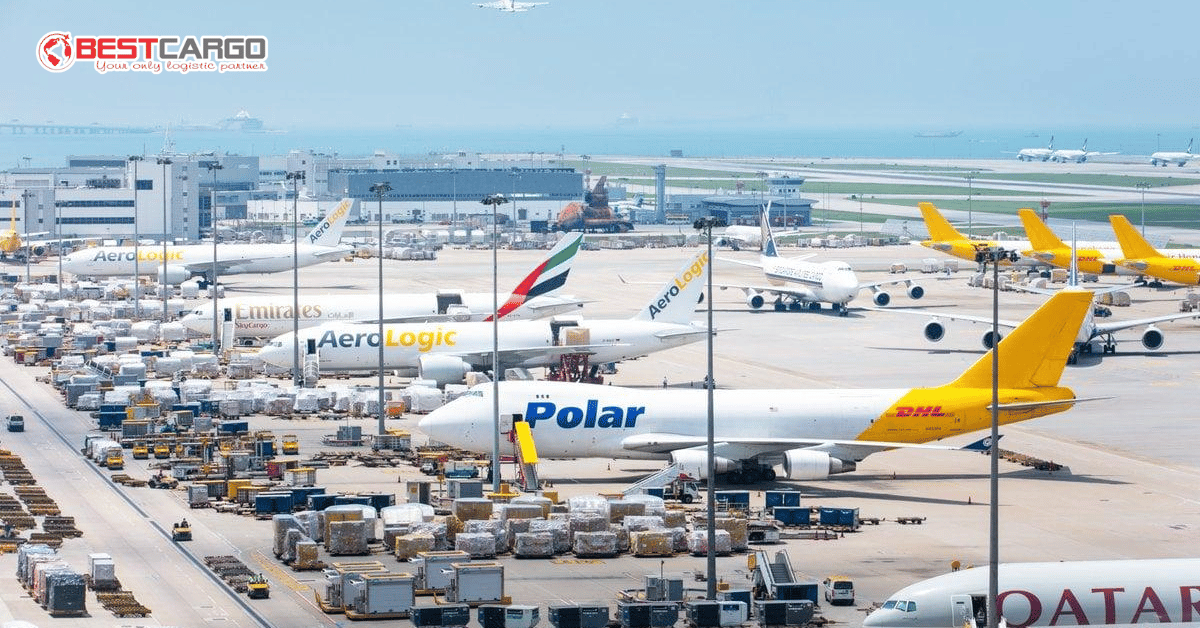
When flights are delayed or cancelled, cargo cannot always move according to its original schedule.
Shipments may remain at airport terminals or warehouses while airlines arrange alternative capacity.
Cargo backlogs can create additional pressure on:
- Airport cargo terminals.
- Ground handling companies.
- Freight forwarders.
- Customs operations.
- Delivery networks.
The effects can continue even after air traffic control operations return to normal.
This is because airlines need time to reposition aircraft and crews. Cargo operators also need to clear accumulated shipments.
Express Air Freight Faces Additional Pressure
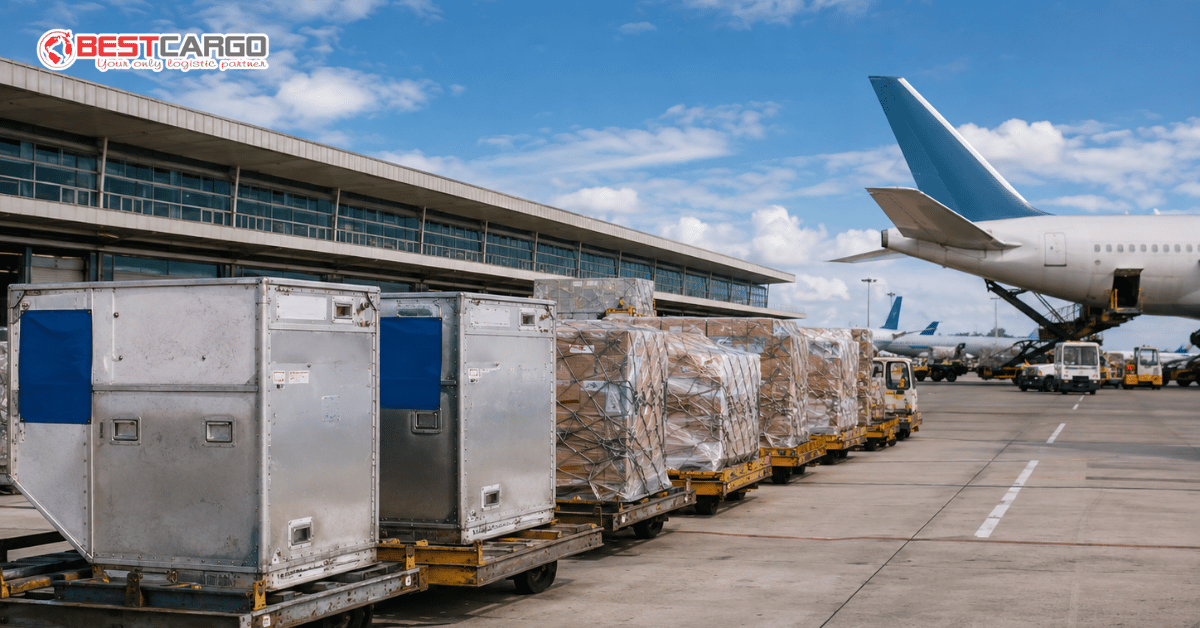
Express shipments are among the most time-sensitive types of air cargo.
Documents, samples, spare parts, electronics, and urgent commercial shipments often depend on specific flight connections.
When these connections are disrupted, freight forwarders may need to find alternative solutions.
Possible options include:
- Rebooking cargo on later flights.
- Using alternative airports.
- Changing connecting hubs.
- Combining shipments with other services.
- Adjusting final delivery schedules.
These solutions can help maintain cargo flows but may increase operational complexity.
Freight Forwarders Play an Important Role
Freight forwarders are important during unexpected disruptions.
They coordinate with airlines, ground handlers, customs agents, and local delivery providers.
When a flight is disrupted, forwarders may need to:
- Check the shipment status.
- Confirm available cargo capacity.
- Identify alternative routes.
- Rebook the shipment.
- Update the customer.
- Coordinate final delivery.
Strong communication is particularly important during these situations.
Customers need accurate information about revised departure and arrival times.
Why Air Cargo Networks Are Vulnerable to Disruptions
Modern air freight networks rely on highly coordinated schedules.
A single flight may connect cargo from several countries. A disruption at one airport can therefore affect shipments far beyond the original location.
For example, cargo arriving in the UK may need to connect with flights to Europe, North America, or Asia.
If the first connection is delayed, the entire transportation plan may need to be adjusted.
This creates a network effect across international Air Freight operations.
Technology Helps Improve Cargo Visibility
Technology is becoming increasingly important during transportation disruptions.
Digital tracking systems allow logistics companies to monitor shipments throughout the journey.
Useful information can include:
- Current cargo location.
- Flight status.
- Estimated arrival time.
- Connection information.
- Warehouse status.
- Delivery progress.
Better shipment visibility allows freight forwarders to react more quickly.
It also helps customers make adjustments to their inventory and delivery plans.
Lessons for UK Air Cargo
The disruption highlights several important lessons for the air freight industry.
Diversified Routes
Businesses can reduce dependency on a single airport or connecting hub by maintaining alternative routing options.
Flexible Capacity
Access to multiple airlines and cargo services can help forwarders respond when scheduled flights become unavailable.
Real-Time Communication
Fast communication between airlines, forwarders, handlers, and customers can reduce uncertainty.
Shipment Visibility
Accurate tracking information helps businesses understand the impact of delays and plan their next steps.
Impact on International Trade
The UK is an important market for international trade and e-commerce.
Air cargo connects British businesses with suppliers and customers around the world.
Disruptions to aviation infrastructure can therefore affect more than transportation companies.
Industries that depend on fast deliveries may also be affected.
These include:
- Electronics.
- Pharmaceuticals.
- Automotive parts.
- Fashion.
- E-commerce.
- Fresh products.
- Industrial components.
For businesses operating international supply chains, reliable air transportation remains an important part of inventory planning.
How Businesses Can Prepare for Future Disruptions
Companies cannot prevent every aviation disruption.
However, they can reduce its potential impact through better planning.
Businesses should consider:
- Booking cargo in advance.
- Maintaining alternative routing options.
- Working with experienced freight forwarders.
- Monitoring flight schedules.
- Using real-time shipment tracking.
- Allowing additional delivery time for urgent cargo.
- Maintaining clear communication with logistics partners.
These measures can improve supply chain resilience.
Frequently Asked Questions
1. What caused the UK air cargo disruption?
The disruption was linked to an incident affecting NATS air traffic control operations, which caused delays and cancellations across parts of the UK aviation network.
2. Did the disruption affect air cargo?
Yes. Flight disruptions can affect cargo departures, connections, handling schedules, and final delivery times.
3. Which shipments are most sensitive to delays?
Express shipments, pharmaceuticals, electronics, spare parts, samples, and other time-sensitive cargo can be particularly affected.
4. How can freight forwarders manage disruptions?
Forwarders can rebook cargo, identify alternative routes, coordinate with airlines, and keep customers updated on revised schedules.
5. How can businesses reduce disruption risks?
Businesses can use multiple routing options, book early, monitor shipments in real time, and work with logistics providers that have access to alternative transportation solutions.
Conclusion
UK air cargo is recovering after a major air traffic control disruption, but the incident demonstrates how quickly aviation infrastructure problems can affect international freight networks.
For exporters and importers, flexible routing, reliable shipment tracking, and professional logistics support are becoming increasingly important.
As global supply chains become more interconnected, businesses need contingency plans that can respond quickly when unexpected disruptions affect air transportation.
Read more:
Southeast Asia Emerges as Asia’s New Logistics Hub
Gửi bột thạch sương sáo từ Hà Nội sang Mỹ
