



Understanding Freight Consolidation in Air Cargo
Understanding Freight Consolidation in Air Cargo is essential for businesses looking to reduce shipping costs while maintaining fast and reliable international deliveries. As global trade continues to grow, freight consolidation has become one of the most effective logistics strategies for optimizing cargo space and improving supply chain efficiency.
Air freight is one of the fastest transportation methods for international shipments. However, sending small shipments individually can be costly, especially for small and medium-sized businesses. By consolidating multiple shipments into a single air cargo consignment, companies can lower transportation expenses without compromising delivery performance.
In this article, you’ll learn what freight consolidation is, how it works, its benefits, potential challenges, and when it is the right choice for your business.
What Is Freight Consolidation?
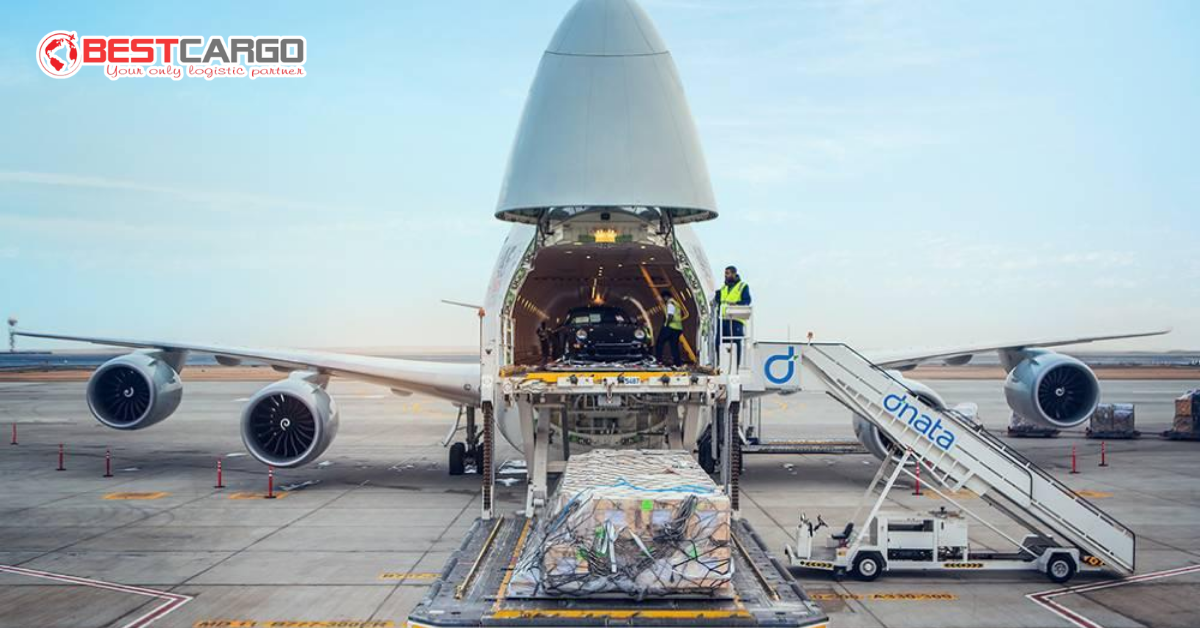
Freight consolidation is the process of combining multiple smaller shipments from different shippers into one larger shipment before transportation.
Instead of booking separate air cargo space for each shipment, a freight forwarder consolidates compatible cargo into one master shipment. Once the cargo reaches the destination country, it is separated and delivered to each individual consignee.
Freight consolidation is widely used in international air cargo because it helps maximize aircraft cargo capacity while reducing transportation costs.
How Freight Consolidation Works
Although the process appears simple, freight consolidation involves several coordinated logistics operations.
A typical consolidation process includes:
- Multiple shippers deliver cargo to the freight forwarder’s warehouse.
- Shipments are inspected, weighed, and documented.
- Compatible cargo is grouped into one consolidated shipment.
- The shipment is transported to the airport cargo terminal.
- Cargo is loaded onto the aircraft.
- At the destination airport, the consolidated shipment is deconsolidated.
- Individual shipments are delivered to their final recipients.
This process allows airlines and freight forwarders to utilize available cargo space more efficiently.
Types of Air Freight Consolidation
Several consolidation methods are commonly used in air cargo logistics.
General Cargo Consolidation
Multiple standard shipments are combined into one air freight shipment.
This is the most common consolidation method and is suitable for general commercial goods.
Destination-Based Consolidation
Cargo destined for the same airport or country is consolidated into one shipment.
This approach improves transportation efficiency and reduces handling costs.
Industry-Specific Consolidation
Certain industries, such as fashion, electronics, or retail, often consolidate shipments with similar handling requirements.
This simplifies customs procedures and warehouse operations.
Benefits of Freight Consolidation
Freight consolidation provides numerous advantages for businesses engaged in international trade.
Lower Shipping Costs
Sharing cargo space allows businesses to pay only for the space they actually use instead of booking an entire shipment.
Better Aircraft Utilization
Consolidation helps airlines maximize available cargo capacity, reducing empty space on aircraft.
Faster Global Distribution
Compared with sea freight, consolidated air shipments still offer rapid international delivery.
Reduced Carbon Footprint
Efficient cargo utilization contributes to fewer unnecessary flights and supports more sustainable logistics operations.
Professional Cargo Management
Freight forwarders coordinate documentation, cargo handling, customs procedures, and shipment tracking throughout the transportation process.
Potential Challenges
Although freight consolidation offers many benefits, businesses should also consider several limitations.
Possible challenges include:
- Waiting for enough cargo to complete consolidation.
- Slightly longer processing time before departure.
- Additional cargo handling during consolidation and deconsolidation.
- Not suitable for extremely urgent shipments.
- Limited compatibility with certain dangerous or specialized goods.
Understanding these factors helps businesses choose the most appropriate shipping solution.
When Should You Choose Freight Consolidation?
Freight consolidation is an excellent option in many situations.
It is particularly suitable when:
- Shipping relatively small cargo volumes.
- Exporting regularly but in small quantities.
- Looking to reduce logistics costs.
- Delivery speed is important but not extremely urgent.
- Products are standard commercial goods.
For highly time-sensitive shipments, direct air freight may still be the better choice.
Best Practices for Successful Freight Consolidation
Businesses can maximize the benefits of consolidation by following several best practices.
Prepare Accurate Documentation
Ensure all shipping documents are complete and accurate before cargo arrives at the consolidation warehouse.
Use Proper Packaging
Secure packaging reduces the risk of damage while cargo is handled together with shipments from other exporters.
Label Cargo Clearly
Proper labels help simplify warehouse operations and reduce sorting errors.
Plan Shipments Early
Early booking allows freight forwarders to arrange consolidation more efficiently and secure available flight capacity.
Partner with an Experienced Freight Forwarder
An experienced logistics provider can coordinate consolidation, customs clearance, and final delivery with minimal delays.
Frequently Asked Questions
1. What is freight consolidation?
Freight consolidation combines multiple smaller shipments into one larger shipment for international transportation.
2. Is freight consolidation cheaper than direct air freight?
In most cases, yes. Businesses share transportation costs with other shippers, resulting in lower shipping expenses.
3. Is freight consolidation suitable for urgent shipments?
Not always. Extremely urgent shipments may require direct air freight instead of waiting for cargo consolidation.
4. Can fragile goods be consolidated?
Yes. Fragile cargo can be consolidated if it is packaged according to international shipping standards.
5. Who manages freight consolidation?
Freight consolidation is typically organized by professional freight forwarders or logistics providers.
Conclusion
Freight consolidation has become an essential solution in modern air cargo logistics. By combining multiple shipments into one consolidated shipment, businesses can significantly reduce transportation costs while maintaining fast international delivery.
Whether you are a small exporter or a growing international business, understanding freight consolidation can help improve shipping efficiency, optimize logistics budgets, and strengthen your global supply chain.
Read more:
Shipping Premium Tea Gift Sets to Canada by Air Freight
Gửi Bình Giữ Nhiệt Từ Hà Nội Đi Quảng Ngãi An Toàn, Giá Hợp Lý
