



What Is Cargo Rerouting? When Should Air Freight Shipments Be Rerouted?
In international air freight, unexpected disruptions can affect delivery schedules and transportation costs. Flight cancellations, severe weather, airport congestion, and customs delays may prevent cargo from following its original route.
To minimize these disruptions, logistics providers may use cargo rerouting. This process involves changing a shipment’s planned route to help it reach its destination safely and efficiently.
Understanding when and how cargo rerouting works can help businesses manage transportation risks and maintain reliable supply chains.
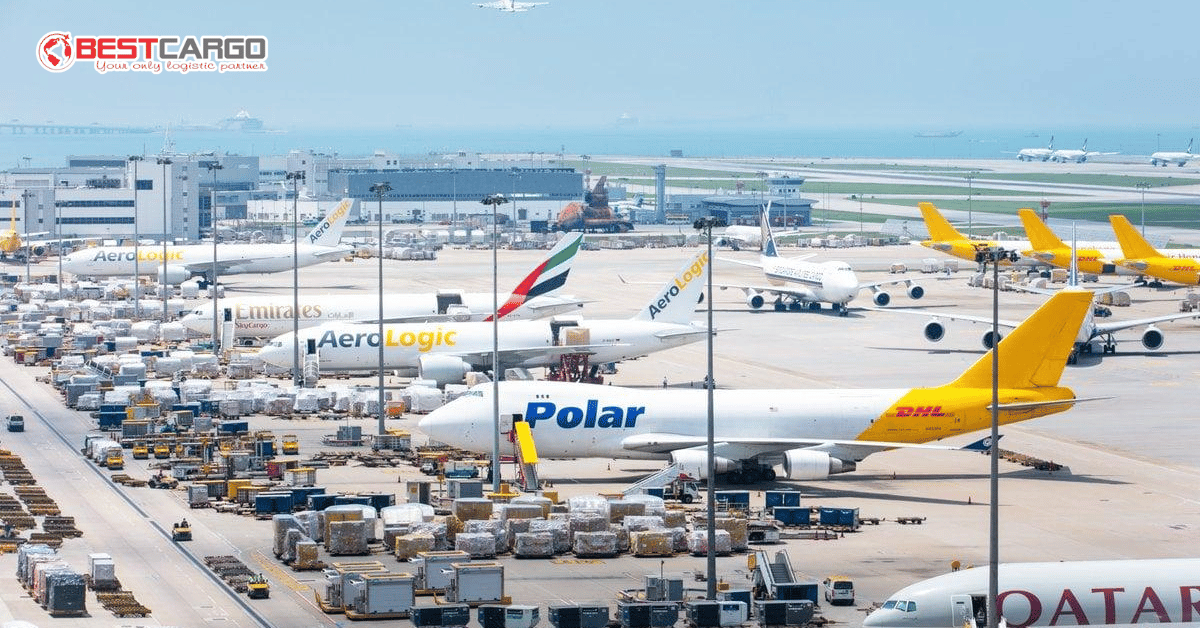
What Is Cargo Rerouting?
Cargo rerouting is the process of changing an existing shipment route because of operational disruptions, capacity limitations, or other transportation requirements.
Instead of following the original flight or transit plan, the shipment is redirected through an alternative airport, airline, or transportation connection.
For example, cargo originally scheduled to travel directly from Ho Chi Minh City to Frankfurt may be redirected through Singapore or another suitable transit hub if the original flight becomes unavailable.
The alternative route depends on flight availability, cargo characteristics, destination requirements, and transportation costs.
Why Is Cargo Rerouting Necessary?
International air freight depends on coordinated schedules across airlines, airports, warehouses, and customs authorities.
When one part of this network experiences disruption, the entire shipment may be affected.
Cargo rerouting helps logistics providers respond to these situations and identify alternative transportation options.
Common reasons include:
- Flight cancellations or schedule changes.
- Severe weather conditions.
- Airport congestion.
- Limited cargo capacity.
- Transit connection failures.
- Customs clearance delays.
- Temporary airport closures.
- Airspace restrictions.
Not every delay requires rerouting. Logistics providers should evaluate the expected delay, available alternatives, and additional costs before changing the route.
When Should Air Freight Shipments Be Rerouted?

1. Flight Cancellation or Schedule Changes
Airlines may cancel or reschedule flights because of operational issues, weather conditions, or aircraft availability.
When the original flight is no longer available, the freight forwarder may arrange an alternative flight or transit route.
This option is particularly important for urgent shipments and time-sensitive goods.
2. Severe Weather Conditions
Storms, heavy snowfall, and other extreme weather events can disrupt airport operations.
If the planned route becomes unavailable or unsafe, cargo may be redirected through another airport.
The new route must comply with airline operating requirements and applicable safety restrictions.
3. Airport Congestion
Major international airports sometimes experience congestion during peak seasons or periods of disruption.
Cargo may face longer processing times or missed connections.
Rerouting through another suitable airport can help reduce delays when sufficient capacity is available.
4. Missed Transit Connections
Many international shipments require transfers between flights.
If the incoming flight arrives late, the cargo may miss its scheduled connection.
The logistics provider may arrange the next available flight or select an alternative transit hub.
The best option depends on the shipment’s delivery deadline and the availability of cargo space.
5. Airspace Restrictions
Political developments, security concerns, or regulatory restrictions may affect available flight paths.
Airlines may need to avoid certain airspace or change their operating routes.
In these circumstances, freight forwarders may coordinate alternative flight arrangements to keep shipments moving.
6. Urgent Delivery Requirements
Sometimes, the original route remains available but no longer meets the customer’s delivery deadline.
A faster alternative route may be considered if the shipment is sufficiently urgent and the additional cost is acceptable.
Examples include urgent spare parts, medical supplies, and production components needed to prevent operational interruptions.
How Does Cargo Rerouting Work?
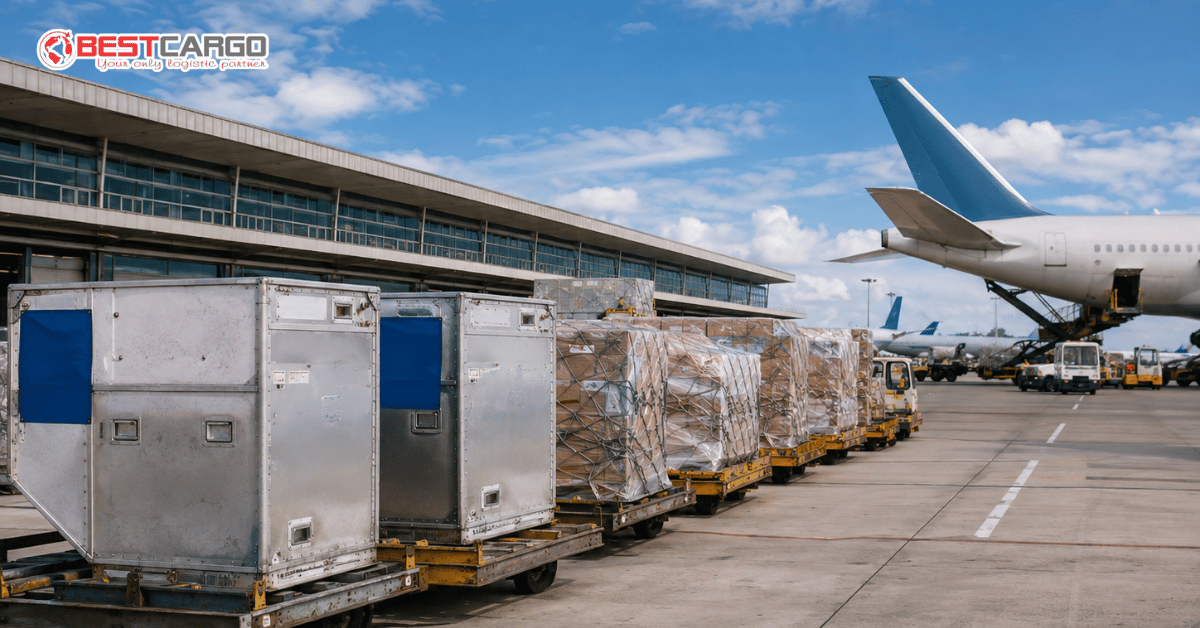
Although procedures vary by airline and freight forwarder, the process generally follows several steps.
- Identify the disruption: The logistics provider receives information about a cancelled flight, missed connection, or other issue.
- Assess the shipment: Staff review the cargo type, destination, delivery deadline, and current location.
- Evaluate alternatives: Available flights, transit airports, capacity, and additional charges are compared.
- Confirm the new route: The freight forwarder coordinates with the airline and other relevant parties.
- Update shipment information: Tracking records and estimated arrival times are revised where applicable.
- Inform the customer: The shipper or consignee receives an update about the new route and expected delivery schedule.
Additional documentation or regulatory checks may be necessary if the new route changes the shipment’s transit arrangements.
What Factors Affect the Cost of Cargo Rerouting?
Rerouting can help reduce delays, but it may also increase transportation expenses.
Several factors influence the final cost.
Alternative Flight Availability
Flights with limited cargo capacity may have higher rates or require additional waiting time.
Additional Handling Charges
Changing airports or transit arrangements may create extra handling, storage, or transfer costs.
Route Distance
A longer alternative route may increase fuel-related charges and transportation expenses.
Customs and Transit Requirements
Some rerouting arrangements may require additional transit documentation or customs procedures.
Cargo Type
Dangerous goods, temperature-sensitive products, and oversized shipments may have fewer routing options.
Businesses should request a revised quotation before approving a rerouting arrangement whenever circumstances allow.
How Can Businesses Minimize Rerouting Risks?
Although some disruptions are unavoidable, businesses can take practical steps to reduce their impact.
Recommended measures include:
- Book shipments early during peak seasons.
- Choose logistics providers with access to multiple airlines.
- Prepare accurate shipping documentation.
- Allow sufficient time for transit connections.
- Monitor shipment status regularly.
- Identify alternative routes for critical shipments.
- Maintain communication with freight forwarders.
For urgent cargo, businesses should discuss contingency plans before the shipment departs.
Cargo Rerouting in Air Freight: A Practical Example
Consider a shipment of electronic components traveling from Vietnam to Germany.
The original plan includes a transit connection at an international airport. However, the connecting flight is cancelled because of operational disruption.
The freight forwarder evaluates two alternatives:
- Wait for the next available flight on the original route.
- Transfer the shipment to another suitable transit hub.
If the alternative route offers an earlier arrival and the additional charges are reasonable, rerouting may be the better choice.
The decision should consider total transit time, cargo safety, extra costs, and the customer’s delivery deadline.
This example illustrates how route changes can support business continuity without guaranteeing that every shipment will arrive on its original schedule.
Frequently Asked Questions
1. What does cargo rerouting mean?
Cargo rerouting means changing a shipment’s planned transportation route because of disruptions, capacity limitations, or delivery requirements.
2. Does cargo rerouting always delay delivery?
No. An alternative route may reduce delays if suitable flights and cargo capacity are available. However, rerouting can also increase transit time.
3. Who decides whether cargo should be rerouted?
The freight forwarder typically coordinates with the airline and other relevant parties. The shipper or customer may need to approve additional costs.
4. Does cargo rerouting increase shipping costs?
It can. Additional handling, storage, alternative flight rates, and transit arrangements may increase the total cost.
5. How can customers track rerouted cargo?
Customers should contact their freight forwarder or use the available tracking system to confirm the updated shipment status and estimated arrival time.
Conclusion
Cargo rerouting is an important risk-management solution in international air freight. By identifying disruptions early and evaluating alternative routes, logistics providers can help businesses reduce delays and maintain more reliable delivery schedules.
For exporters and importers, working with an experienced freight forwarder is essential. Accurate documentation, proactive tracking, and clear communication can make rerouting decisions more effective while helping control transportation costs.
Read more:
Southeast Asia Emerges as Asia’s New Logistics Hub
Gửi bột thạch sương sáo từ Hà Nội sang Mỹ
