


Why Some Cargo Needs to Be Loaded Last but Unloaded First?
In air cargo operations, some cargo is loaded last but unloaded first to improve handling efficiency and reduce delays. This loading method is often used for shipments that require quick access after the aircraft lands.
The position of cargo depends on several factors. These include the shipment’s destination, handling requirements, weight, and priority. Proper cargo positioning also helps ground handling teams work more efficiently.
Although the concept may seem unusual, loading cargo last but unloading it first can play an important role in safe and efficient air freight operations.
What Does “Loaded Last, Unloaded First” Mean?
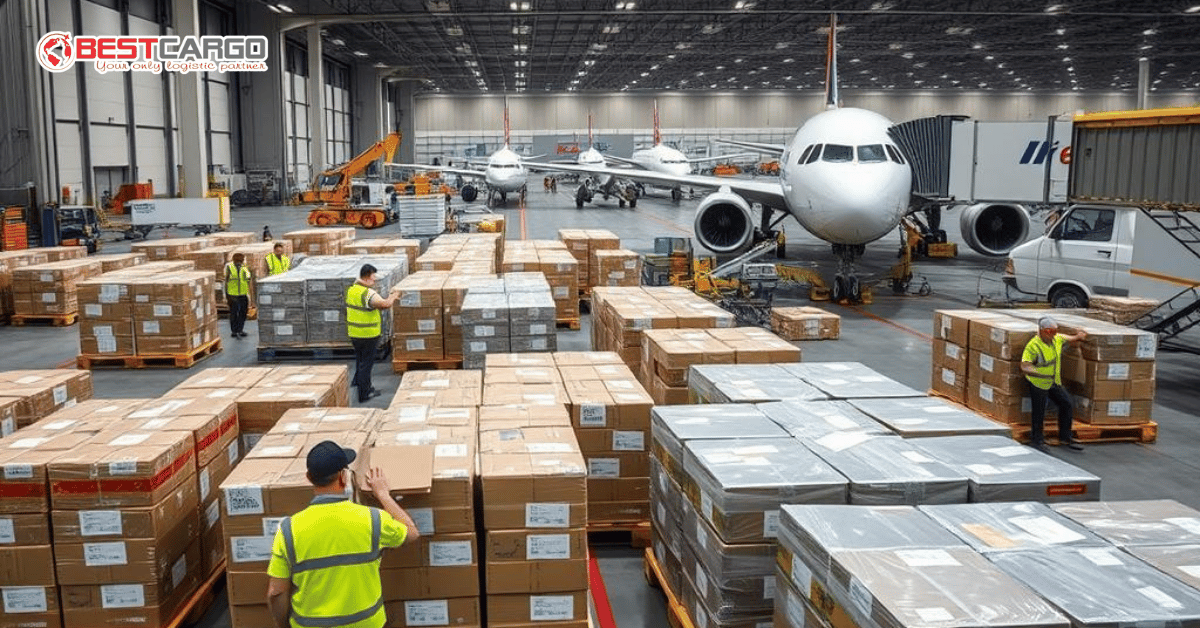
This principle means that certain shipments are placed inside the aircraft after other cargo has already been loaded.
When the aircraft arrives at its destination, these shipments are removed before the other cargo.
This loading method helps ground handling teams access specific shipments quickly. It can also prevent unnecessary movement of other cargo during unloading.
Why Does Some Cargo Need Special Placement?
1. Time-Sensitive Shipments
Some goods are highly sensitive to delivery time. Examples include medical supplies, fresh products, and urgent commercial shipments.
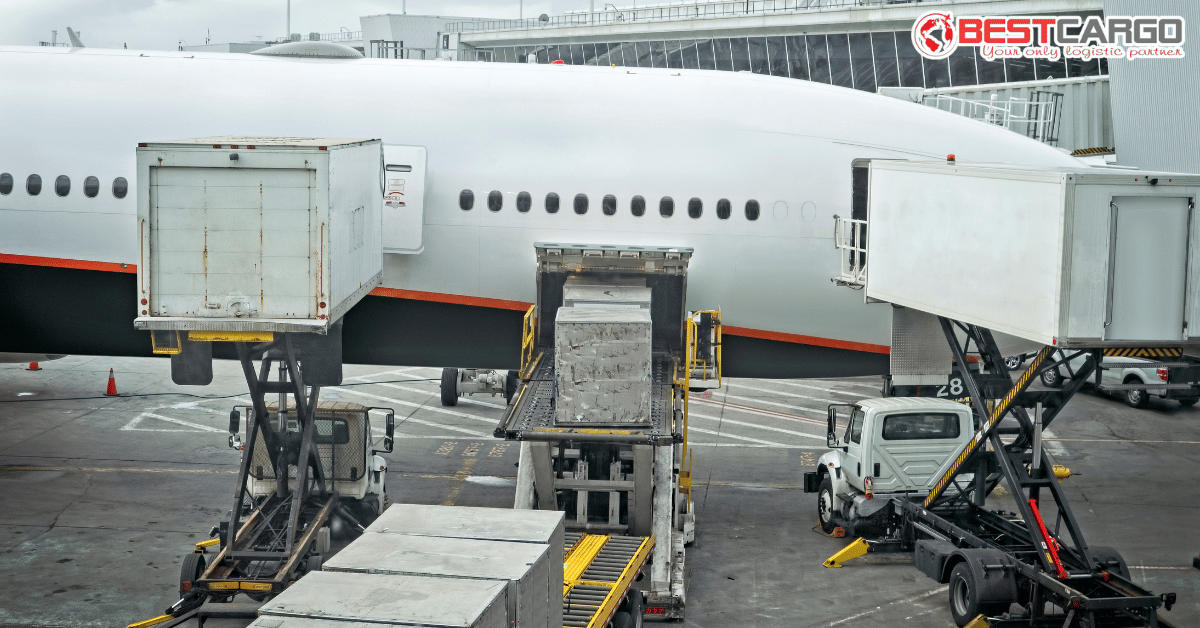
These shipments may need to leave the aircraft quickly after landing. Loading them last makes them easier to access.
2. Perishable Goods
Fresh food, flowers, seafood, and other perishables often require special handling.
Delays on the ground can affect product quality. Placing these shipments in an accessible position can help reduce handling time.
3. Valuable Cargo
High-value goods may require additional security and careful handling.
Examples include electronics, luxury products, and valuable equipment.
Keeping these shipments in a suitable position can make the unloading process more controlled.
4. Special Handling Cargo
Some cargo requires special attention during transportation. This can include live animals, temperature-sensitive goods, and certain types of dangerous goods.
Their position may be determined according to airline procedures and handling requirements.
How Does Aircraft Loading Work?
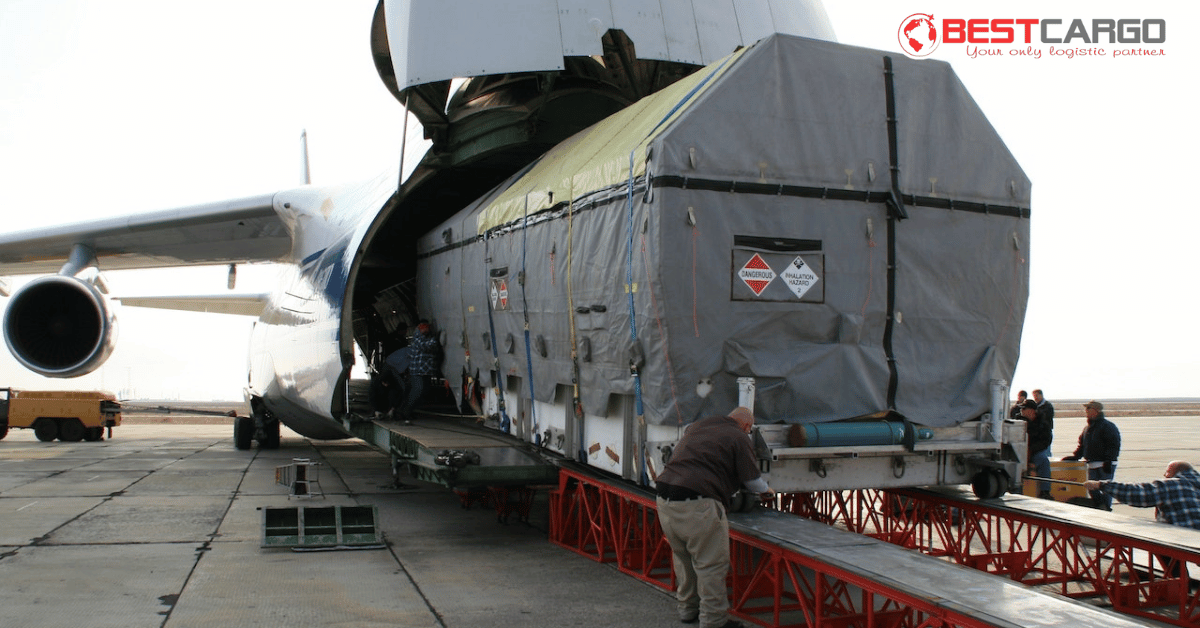
Before cargo is loaded, ground handling teams review the shipment information.
They consider factors such as:
- Cargo weight and dimensions.
- Aircraft capacity.
- Destination.
- Cargo type.
- Handling requirements.
- Aircraft weight and balance.
Cargo is then organized according to the flight plan.
The goal is to use available space efficiently while maintaining safe aircraft operation.
Why Is Loading Order Important?
The loading order can directly affect unloading efficiency.
Imagine an aircraft carrying cargo for several destinations. If cargo for an early unloading point is placed underneath other shipments, ground staff may need to move several units first.
This creates additional handling work.
It can also increase unloading time and the risk of cargo damage.
Loading cargo according to its destination helps avoid these problems.
The Role of Destination
Destination is one of the most important factors in cargo positioning.
An aircraft may carry shipments for multiple airports. Cargo intended for the first unloading location should generally be positioned for easy access.
Other shipments can then be placed behind or underneath it.
This approach helps ground handlers unload the aircraft in an organized sequence.
What Happens If Cargo Is Loaded in the Wrong Position?
Incorrect cargo positioning can create several operational problems.
Ground handling teams may need to rearrange shipments after landing. This can increase unloading time.
It may also cause delays for connecting flights or onward transportation.
In some situations, incorrect loading can affect aircraft weight and balance. Therefore, loading procedures must follow strict operational requirements.
How Technology Helps Optimize Cargo Loading
Technology is becoming increasingly important in air cargo operations.
Airlines and ground handlers can use digital systems to manage shipment information. These systems help track cargo location and handling requirements.
Automated planning tools can also help optimize cargo placement.
By using accurate data, operators can improve loading efficiency and reduce unnecessary handling.
Benefits of Proper Cargo Positioning
Correct cargo positioning provides several benefits:
Faster Unloading
Cargo can be removed in the required sequence. This helps reduce ground handling time.
Better Operational Efficiency
Ground handling teams spend less time moving cargo unnecessarily.
Lower Risk of Damage
Reducing unnecessary handling can help protect shipments.
Improved On-Time Performance
Efficient loading and unloading can support faster aircraft turnaround.
Frequently Asked Questions
1. Why is some cargo loaded last but unloaded first?
It is usually positioned for quick access after landing. This helps reduce unloading time and unnecessary cargo movement.
2. What types of cargo may need priority unloading?
Time-sensitive, perishable, valuable, and special-handling shipments may require specific positioning.
3. Does every airline use the same loading procedure?
No. Procedures can vary depending on the airline, aircraft type, cargo characteristics, and operational requirements.
4. Can loading order affect flight safety?
Yes. Cargo placement must consider aircraft weight and balance. Safety requirements always take priority.
5. Does loading cargo in the wrong position cause delays?
It can. Ground staff may need to rearrange cargo, increasing handling time and potentially delaying the shipment.
Conclusion
The principle of “loaded last but unloaded first” is an important part of efficient air cargo handling. It allows certain shipments to be accessed quickly after an aircraft lands.
Cargo position depends on several factors. These include destination, cargo type, handling requirements, and aircraft weight and balance.
With better planning and digital technology, airlines and logistics companies can improve cargo positioning. This helps create faster, safer, and more efficient air freight operations.
Read more:
Southeast Asia Emerges as Asia’s New Logistics Hub
Gửi bột thạch sương sáo từ Hà Nội sang Mỹ
