



How Blockchain Could Transform the Logistics Industry
How Blockchain Could Transform the Logistics Industry is becoming a major topic of discussion as global supply chains become more complex and digitally connected. Blockchain technology has the potential to improve transparency, enhance shipment tracking, strengthen data security, and reduce paperwork across international logistics operations. As businesses seek more efficient and reliable supply chain solutions, blockchain is expected to play an increasingly important role in the future of global logistics.
What Is Blockchain?
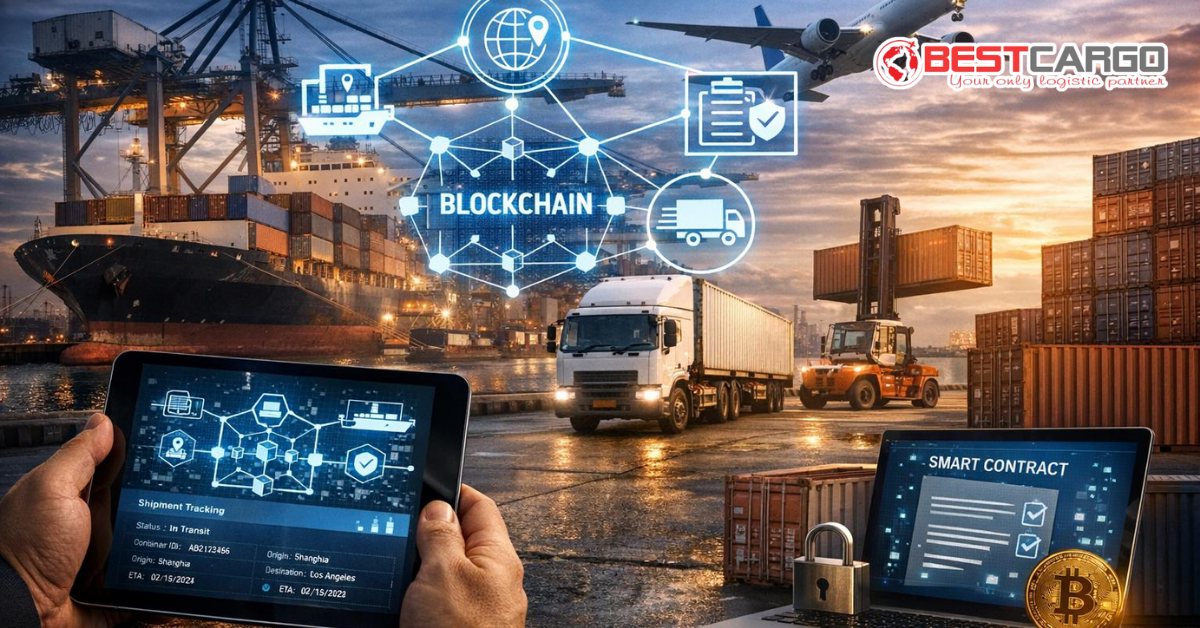
Blockchain is a decentralized digital ledger that records transactions securely across multiple computers. Once information is recorded, it cannot be easily altered or deleted, making the system highly transparent and secure.
Unlike traditional databases managed by a single organization, blockchain allows multiple parties—including manufacturers, freight forwarders, customs authorities, and customers—to access the same verified information in real time.
Why Is Blockchain Important for Logistics?
International logistics involves many stakeholders and documents throughout the shipping process. Delays, paperwork errors, and limited visibility can increase costs and disrupt supply chains.
Blockchain helps address these challenges by creating a shared, tamper-resistant platform where shipment information can be updated and verified instantly.
Key Benefits of Blockchain in Logistics
Improved Supply Chain Transparency
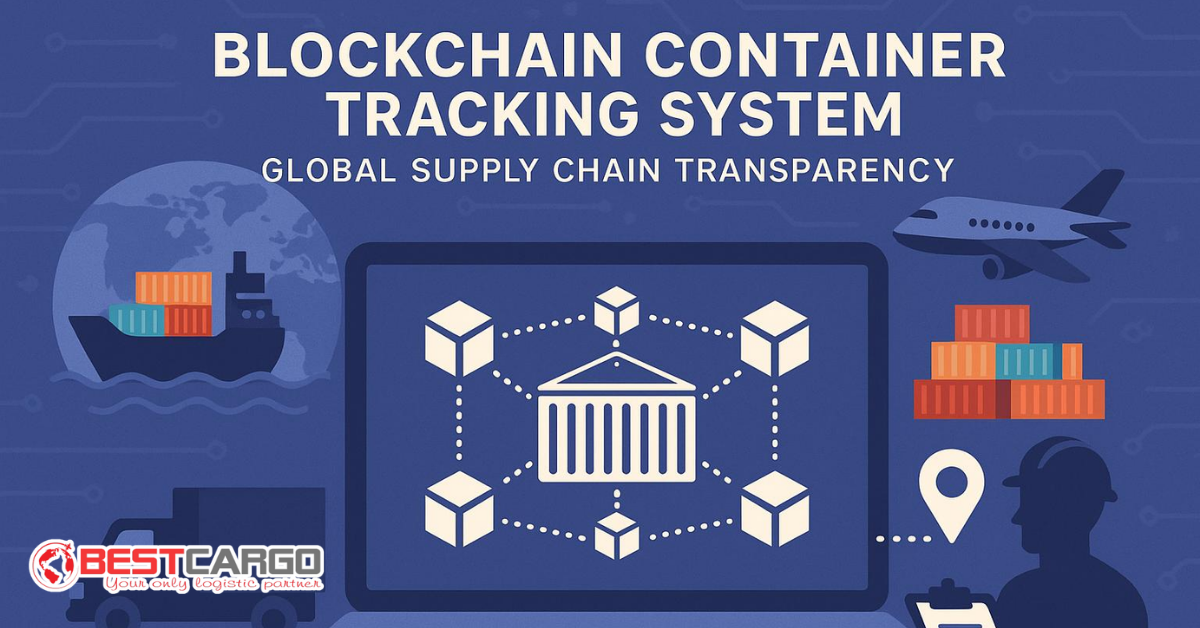
Blockchain enables every stage of a shipment to be recorded, allowing all authorized participants to track cargo from origin to destination.
This improves visibility and helps businesses identify delays or disruptions more quickly.
Enhanced Security
Because blockchain records cannot easily be modified, the risk of fraud, document tampering, and unauthorized changes is significantly reduced.
This creates greater trust among logistics partners.
Faster Documentation
Traditional international shipping often requires large amounts of paperwork.
Blockchain supports digital documentation, reducing processing time for documents such as bills of lading, customs declarations, and shipping records.
Better Shipment Tracking
Real-time updates allow businesses and customers to monitor cargo movements more accurately throughout the transportation process.
Reduced Administrative Costs
Automating documentation and verification processes helps minimize manual work, lower operational costs, and improve efficiency.
Blockchain and Smart Contracts
One of blockchain’s most promising applications is the use of smart contracts.
Smart contracts automatically execute agreements when predefined conditions are met. For example, payment can be released automatically once a shipment has been delivered and confirmed.
This reduces administrative delays and minimizes disputes between business partners.
Challenges of Blockchain Adoption
Despite its potential, blockchain implementation still faces several challenges:
- High implementation costs.
- Integration with existing logistics systems.
- Industry-wide standardization.
- Data privacy concerns.
- Limited adoption among smaller businesses.
Overcoming these barriers will require collaboration between logistics providers, technology companies, and government agencies.
Future Outlook
As digital transformation continues across the logistics industry, blockchain is expected to play a greater role in improving supply chain efficiency.
Future developments may include:
- Paperless international shipping.
- Automated customs documentation.
- End-to-end cargo visibility.
- Faster international trade processes.
- Greater collaboration among global logistics partners.
Many experts believe blockchain will become an important component of next-generation supply chain management.
What This Means for Businesses
Companies that understand and adopt blockchain technology may benefit from improved operational efficiency, stronger supply chain visibility, and better customer trust.
While widespread adoption will take time, businesses that prepare early will be better positioned to compete in an increasingly digital logistics environment.
Conclusion
Blockchain has the potential to transform the logistics industry by improving transparency, enhancing security, reducing paperwork, and streamlining international shipping processes. Although challenges remain, continued technological innovation and growing industry adoption are expected to make blockchain an increasingly valuable tool for global logistics.
For logistics providers and international businesses alike, staying informed about blockchain developments will be essential as the future of supply chain management continues to evolve.
Read more:
Green Air Freight: The Future of Sustainable Logistics
Gửi trà cung đình Huế đi Malaysia giá rẻ
