



New ICAO Aviation Standards and Their Impact on Air Cargo
New ICAO Aviation Standards are shaping the future of global aviation. The International Civil Aviation Organization (ICAO) has introduced updated Standards and Recommended Practices (SARPs) to improve aviation safety, strengthen digital communication, modernize airport operations, and support sustainable air transport. These changes also have significant implications for the global air cargo industry.
As international trade continues to grow, air cargo plays an increasingly important role in moving high-value and time-sensitive goods. Updated ICAO standards provide a stronger regulatory framework that helps airlines, airports, and logistics providers improve efficiency while maintaining high safety standards.
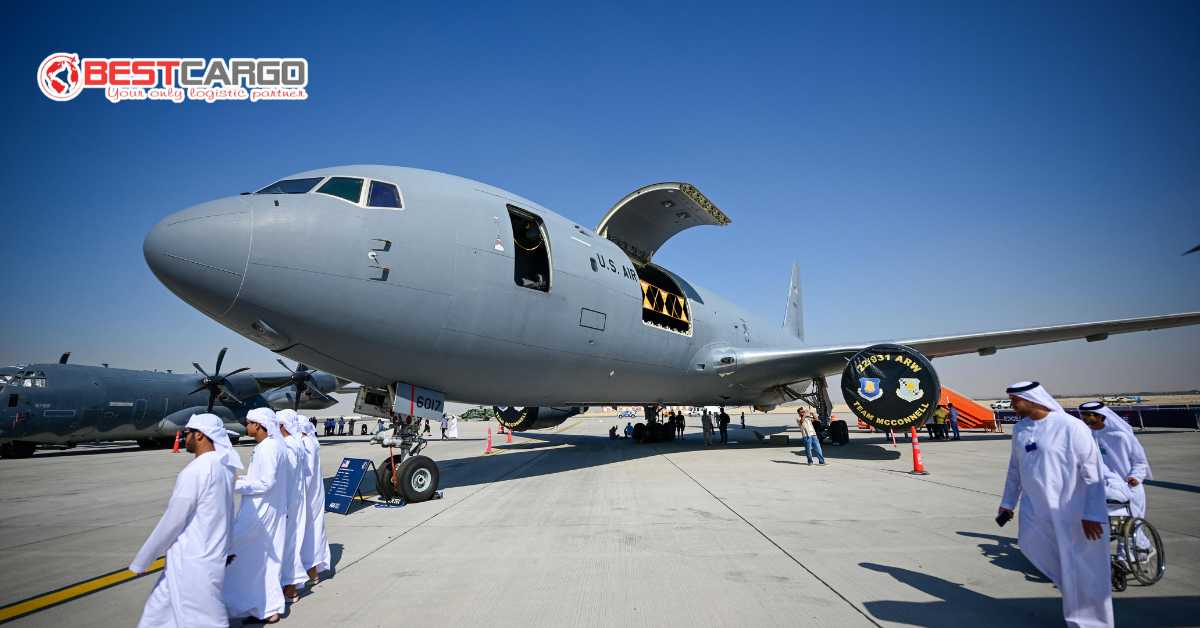
What Are the New ICAO Aviation Standards?

A Global Framework for Safer Aviation
ICAO develops international standards that guide civil aviation worldwide. Member States use these standards when updating their national aviation regulations.
The latest amendments focus on several key areas:
- Advanced satellite-based navigation
- Digital air-ground communication
- Airport and ground handling safety
- Meteorological information services
- Airport operational efficiency
- Cyber-resilient aviation systems
Key Updates That Affect Air Cargo
Advanced Navigation Systems
ICAO has introduced new standards for Advanced Receiver Autonomous Integrity Monitoring (ARAIM).
These technologies improve navigation accuracy and support performance-based navigation.
More precise routing helps aircraft reduce flight time, lower fuel consumption, and improve schedule reliability. Air cargo operators can therefore transport shipments more efficiently.
Stronger Digital Communication
The new standards enhance air-ground data communication by introducing more secure and cyber-resilient digital systems.
Reliable communication improves coordination between aircraft and air traffic control.
For cargo airlines, this means fewer communication delays and more efficient flight operations.
Modernized Airport Operations
ICAO has also updated standards for airport operations.
The changes include improved visual guidance, better obstacle management, and regular safety assessments for ground handling activities.
These improvements help airports process cargo aircraft more safely and efficiently.
Why These Standards Matter for Air Cargo

Faster Cargo Operations
Modern navigation and airport procedures help reduce operational delays.
Cargo aircraft can complete departures and arrivals more efficiently.
This improves delivery performance for international supply chains.
Better Safety Performance
Safety remains the highest priority in aviation.
The updated standards strengthen airport safety management and improve operational consistency across different countries.
This benefits airlines, freight forwarders, and cargo terminal operators alike.
Supporting Digital Transformation
Improved Information Sharing
ICAO encourages greater use of digital information exchange across the aviation sector.
Modern communication systems provide better visibility throughout cargo operations.
This helps logistics companies track shipments more accurately while improving operational planning.
Preparing for Future Growth
Global air cargo demand continues to evolve with expanding e-commerce, semiconductor exports, pharmaceuticals, and high-value manufacturing.
The updated ICAO standards provide a stronger foundation for future aviation technologies and more efficient cargo operations worldwide.
How the New Standards Affect the Air Cargo Industry
Benefits for Airlines
Air cargo airlines will benefit from more efficient flight operations.
Improved navigation systems support more direct flight paths. Better communication also helps reduce operational disruptions.
These improvements can lower fuel consumption and improve on-time performance.
Advantages for Airports
Airports play a critical role in air cargo operations.
The new ICAO standards encourage airports to upgrade infrastructure, strengthen safety management, and adopt digital technologies.
These improvements help airports process cargo aircraft more efficiently while maintaining high safety standards.
Opportunities for Freight Forwarders
Freight forwarders rely on predictable flight schedules and efficient airport operations.
Improved coordination between airlines, airports, and air traffic control helps reduce shipment delays.
This allows logistics companies to provide more reliable services to customers.
Challenges of Implementing the New Standards
Infrastructure Investment
Meeting the latest ICAO requirements may require airports and airlines to invest in new technologies and equipment.
Modern navigation systems, cybersecurity measures, and digital communication platforms involve significant costs.
However, these investments can improve long-term operational performance.
Staff Training
New technologies require skilled personnel.
Pilots, air traffic controllers, ground handling teams, and airport operators must receive regular training to comply with updated ICAO standards.
Continuous education also helps maintain high safety levels across the aviation industry.
The Future of ICAO Standards
Supporting Sustainable Aviation
ICAO continues to promote safer and more sustainable aviation.
Future standards are expected to encourage greater use of digital technologies, automation, and environmentally responsible operations.
These initiatives will support the long-term growth of both passenger and cargo aviation.
Building a Smarter Air Cargo Network
The air cargo industry is becoming increasingly connected through digital platforms.
Future ICAO standards are likely to strengthen data sharing, improve operational transparency, and support smarter supply chain management.
These developments will help create a more resilient global logistics network.
Frequently Asked Questions
1. What are the new ICAO aviation standards?
They are updated international aviation standards developed by ICAO to improve safety, navigation, digital communication, airport operations, and cybersecurity.
2. Why are the new standards important for air cargo?
They improve operational efficiency, strengthen safety, reduce delays, and support more reliable cargo transportation.
3. Who must comply with ICAO standards?
ICAO standards are implemented by member States through national aviation authorities. Airlines, airports, air navigation service providers, and ground handling companies must comply with local regulations based on these standards.
4. How do the standards improve cargo operations?
Modern navigation systems, digital communication, and enhanced airport procedures help reduce flight delays and improve cargo handling efficiency.
5. What is the long-term impact on global logistics?
The new standards will support safer flights, smarter airport operations, stronger international connectivity, and more resilient global supply chains.
Conclusion
The New ICAO Aviation Standards represent an important step toward a safer, smarter, and more efficient aviation industry. By improving navigation, digital communication, airport operations, and cybersecurity, these standards create a stronger foundation for future air cargo growth.
For airlines, airports, freight forwarders, and exporters, adopting these standards offers significant long-term benefits. Better operational efficiency, enhanced safety, and improved global connectivity will help the air cargo industry meet the growing demands of international trade while supporting the next generation of sustainable aviation.
Read more:
Changi Airport Expands Cargo Facilities to Support Rising Air Freight Demand
Gửi bột thạch sương sáo từ Hà Nội sang Mỹ
