


How Digital Cargo Tracking Is Improving Global Logistics
Digital Cargo Tracking is transforming the way goods move across global supply chains. Instead of relying on manual updates and paper-based processes, logistics companies now use real-time tracking technologies to monitor cargo from origin to destination. This digital approach improves shipment visibility, reduces delays, and helps businesses make faster decisions.
As international trade continues to grow, the demand for accurate and transparent cargo tracking has never been greater. Airlines, freight forwarders, and shippers are investing in digital solutions to improve operational efficiency and enhance customer satisfaction.
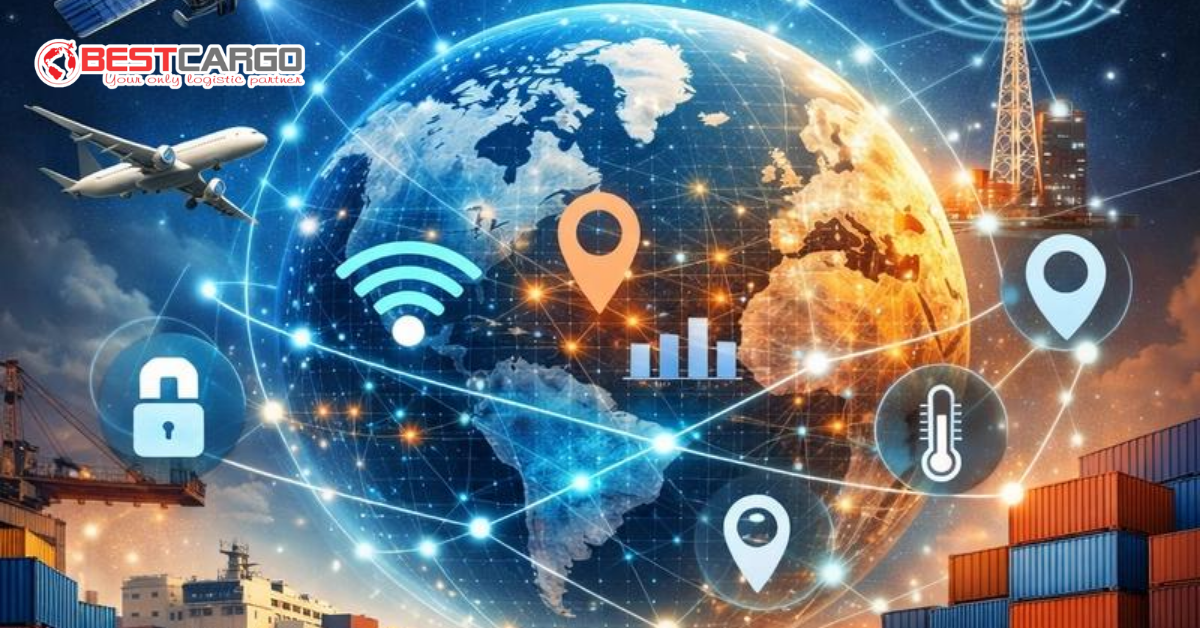
What Is Digital Cargo Tracking?
A Smarter Way to Monitor Shipments
Digital Cargo Tracking is the use of digital technologies to monitor the location, condition, and movement of cargo throughout the transportation process.
Unlike traditional tracking methods, digital systems provide continuous updates through connected devices and cloud-based platforms.
Businesses can monitor shipments in real time and respond quickly if unexpected issues occur.
Why It Matters in Global Logistics
Modern supply chains involve multiple transportation modes, customs procedures, and logistics partners.
Without accurate tracking information, delays and communication gaps can disrupt delivery schedules.
Digital Cargo Tracking creates greater transparency by allowing all stakeholders to access the same shipment information.
Technologies Behind Digital Cargo Tracking
GPS Tracking
Global Positioning System (GPS) technology allows logistics providers to determine the exact location of cargo during transportation.
Real-time location data helps companies estimate arrival times more accurately.
Customers also benefit from better shipment visibility.
Internet of Things (IoT)
IoT devices collect valuable information throughout the journey.
Smart sensors can monitor temperature, humidity, shock, and vibration.
This is especially important for pharmaceuticals, fresh food, and other sensitive products.
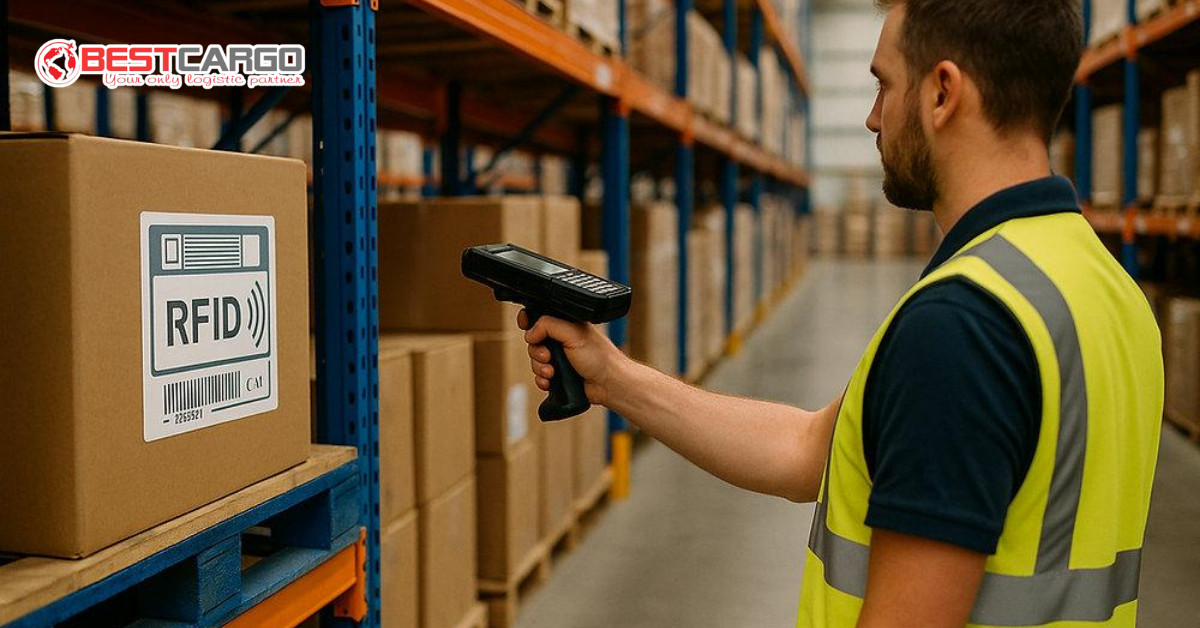
RFID Technology
Radio Frequency Identification (RFID) enables cargo to be identified automatically without manual scanning.
Warehouse staff can process shipments more quickly and reduce human errors.
RFID also improves inventory accuracy throughout the logistics network.
Cloud-Based Platforms
Cloud technology connects airlines, freight forwarders, warehouses, and customers through a single digital platform.
Shipment data is updated continuously and can be accessed from anywhere.
This improves collaboration across the supply chain.
Benefits for Global Logistics
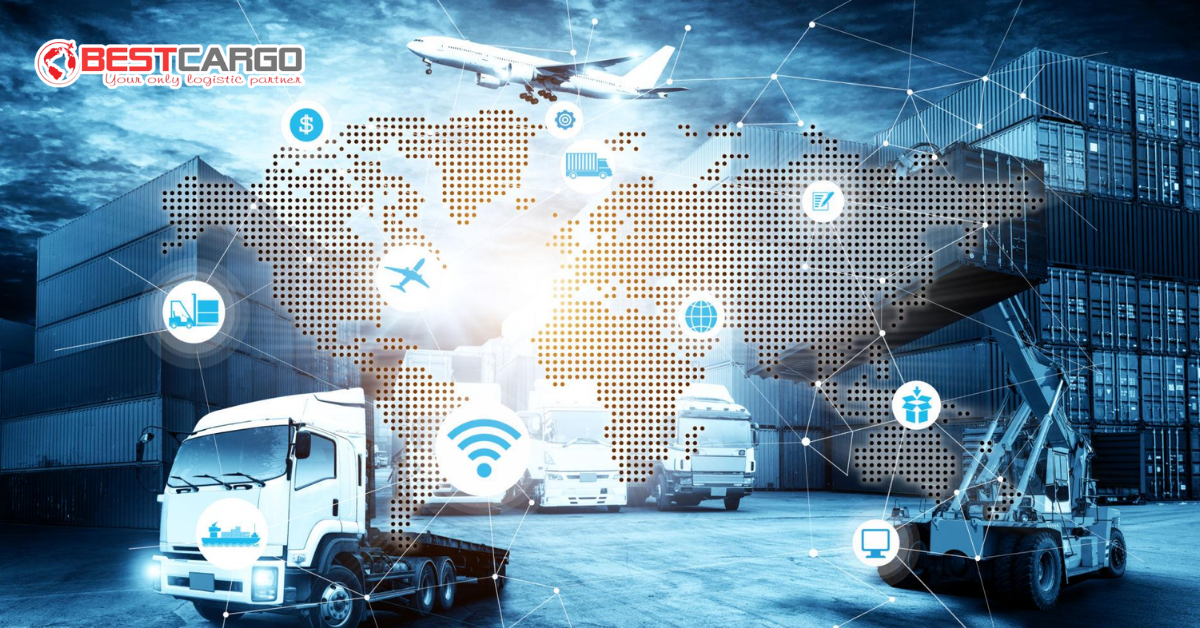
Improved Shipment Visibility
One of the biggest advantages of Digital Cargo Tracking is real-time visibility.
Businesses know where their cargo is at every stage of transportation.
This reduces uncertainty and improves supply chain planning.
Faster Decision-Making
Unexpected delays can occur because of weather, customs inspections, or operational disruptions.
Digital tracking systems provide instant updates that allow logistics teams to react quickly.
Early action helps minimize the impact on delivery schedules.
Better Customer Experience
Customers increasingly expect accurate delivery information.
Digital Cargo Tracking provides automatic shipment updates and estimated arrival times.
This transparency builds trust and improves customer satisfaction.
Supporting Air Cargo Operations
Greater Efficiency at Airports
Digital Cargo Tracking helps airports manage cargo more efficiently.
Ground handling teams receive accurate shipment information before cargo arrives.
This reduces processing time and improves cargo flow through terminals.
Better Coordination Across the Supply Chain
Airlines, freight forwarders, customs authorities, and warehouse operators all depend on timely information.
Digital tracking improves communication between these stakeholders.
As a result, cargo moves more smoothly from origin to final destination.
Benefits for Logistics Companies and Airlines
Greater Operational Efficiency
Digital Cargo Tracking allows logistics companies to manage shipments more efficiently.
Real-time data helps reduce manual processes and improves workflow coordination.
Teams can identify potential issues earlier and respond before delays become serious.
Reduced Cargo Loss
Accurate tracking reduces the risk of misplaced or lost shipments.
Every movement is recorded through digital systems.
This creates a complete shipment history that improves accountability across the supply chain.
Better Resource Management
Digital tracking provides valuable operational insights.
Companies can analyze shipment data to optimize warehouse space, vehicle usage, and workforce planning.
This leads to better productivity and lower operating costs.
Challenges of Implementing Digital Cargo Tracking
High Initial Investment
Modern tracking systems require investment in hardware, software, and network infrastructure.
Businesses may also need to upgrade existing logistics platforms.
Although implementation costs can be significant, many companies achieve long-term savings through improved efficiency.
Data Security
Digital platforms store large amounts of shipment information.
Protecting this data from cyber threats is essential.
Logistics providers must invest in cybersecurity measures to maintain customer trust and protect sensitive business information.
System Integration
Global supply chains involve airlines, freight forwarders, customs authorities, warehouses, and transportation companies.
Connecting different digital platforms can be challenging.
Successful implementation requires strong collaboration among all supply chain partners.
Future Trends in Digital Cargo Tracking
Artificial Intelligence
Artificial Intelligence (AI) is becoming an important part of cargo tracking.
AI can analyze shipment patterns, predict delays, and recommend alternative transportation routes.
These capabilities help companies improve decision-making and reduce operational risks.
Blockchain Technology
Blockchain improves transparency by creating secure and tamper-resistant shipment records.
Every transaction is recorded and shared among authorized participants.
This technology strengthens trust across international logistics networks.
Predictive Analytics
Predictive analytics uses historical and real-time data to forecast future events.
Logistics companies can anticipate disruptions, optimize inventory levels, and improve delivery planning.
As predictive technologies continue to develop, cargo operations will become even more efficient.
Frequently Asked Questions
1. What is Digital Cargo Tracking?
Digital Cargo Tracking is a technology-driven system that monitors cargo location, movement, and condition throughout the shipping process using digital tools.
2. Which technologies support Digital Cargo Tracking?
Common technologies include GPS, IoT sensors, RFID, cloud computing, artificial intelligence, and blockchain.
3. How does Digital Cargo Tracking improve customer service?
Customers receive real-time shipment updates, more accurate delivery estimates, and greater visibility throughout the transportation process.
4. Is Digital Cargo Tracking only used in air freight?
No. It is also widely used in sea freight, road transportation, rail logistics, and multimodal supply chains.
5. Why is Digital Cargo Tracking becoming more important?
Growing global trade, expanding e-commerce, and increasing customer expectations require faster, more transparent, and more reliable logistics services.
Conclusion
Digital Cargo Tracking is transforming global logistics by improving shipment visibility, increasing operational efficiency, and strengthening collaboration across the supply chain. Real-time tracking technologies enable airlines, freight forwarders, and logistics providers to deliver faster, safer, and more reliable transportation services.
As technologies such as AI, IoT, blockchain, and predictive analytics continue to evolve, Digital Cargo Tracking will play an even greater role in the future of international logistics. Companies that invest in digital tracking solutions today will be better prepared to meet the growing demands of global trade and customer expectations.
Read more:
New ICAO Aviation Standards and Their Impact on Air Cargo
Gửi bột thạch sương sáo từ Hà Nội sang Mỹ
