



Why Lithium Batteries Require Special Air Transport Rules
Lithium batteries air transport is one of the most strictly regulated areas in the aviation industry. Lithium batteries power smartphones, laptops, medical devices, electric vehicles, and many other electronic products. As global demand for these products continues to grow, airlines transport millions of lithium batteries every year.
Despite their widespread use, lithium batteries present unique safety risks during air transportation. For this reason, international aviation authorities have established strict rules to reduce potential hazards and ensure flight safety.
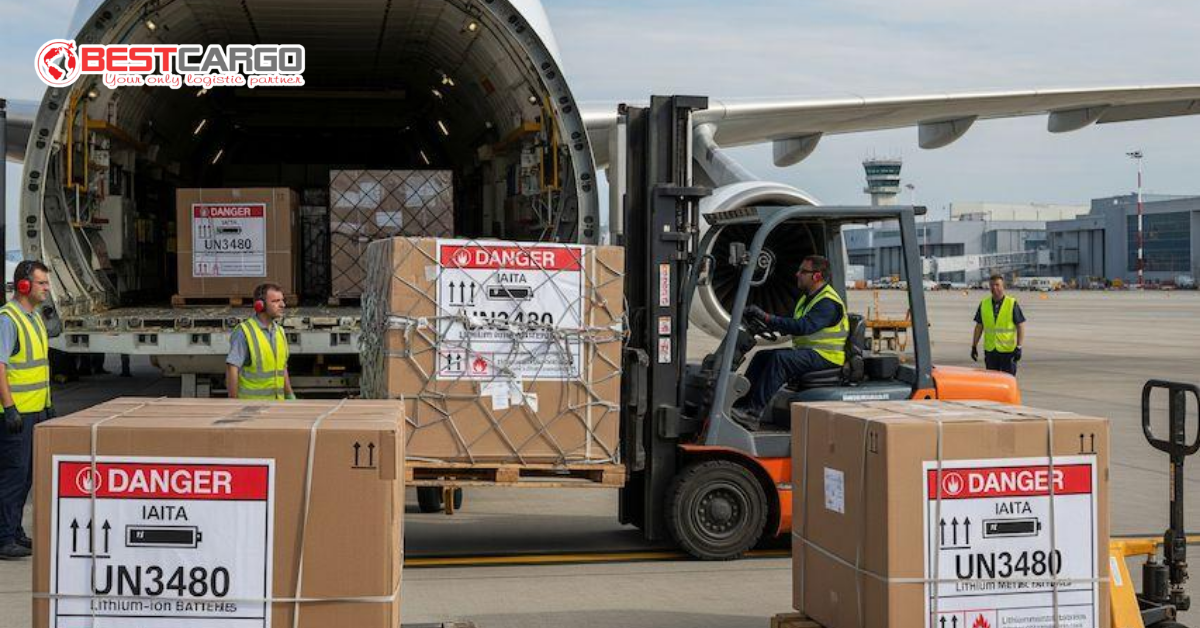
What Are Lithium Batteries?

A Key Power Source for Modern Devices
Lithium batteries are rechargeable or non-rechargeable batteries that store large amounts of energy in a compact size.
They are commonly found in consumer electronics, industrial equipment, medical devices, and electric vehicles.
Their lightweight design and long operating life make them an ideal power source for modern technology.
Types of Lithium Batteries
There are two main types of lithium batteries transported by air.
Lithium-ion batteries are rechargeable and are widely used in smartphones, laptops, cameras, drones, and electric vehicles.
Lithium metal batteries are generally non-rechargeable and are commonly used in watches, medical equipment, emergency devices, and remote controls.
Each battery type is subject to specific transport requirements under international regulations.
Why Are Lithium Batteries Considered Dangerous Goods?
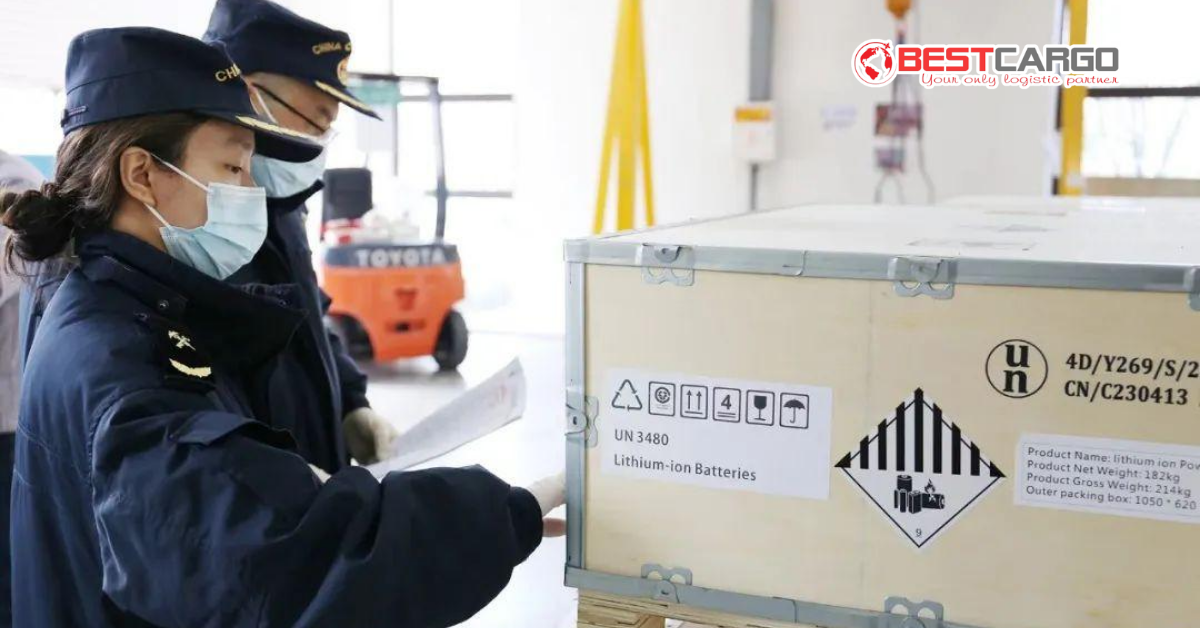
Risk of Thermal Runaway
The greatest concern during lithium batteries air transport is thermal runaway.
Thermal runaway occurs when a battery generates excessive heat that cannot be controlled.
The heat may trigger a chain reaction that causes fire, smoke, or even an explosion.
Because aircraft operate in enclosed environments, even a small battery fire can become a serious safety threat.
Risk of Short Circuits
Lithium batteries can also become dangerous if their terminals come into contact with metal objects.
A short circuit may generate excessive heat and damage the battery.
Proper insulation and protective packaging help reduce this risk during transportation.
Damage During Handling
Batteries that are dropped, crushed, or punctured may become unstable.
Physical damage can increase the possibility of overheating or internal failure.
Careful cargo handling is therefore essential throughout the shipping process.
Main Risks During Air Transport
Fire Inside the Cargo Hold
A damaged lithium battery may ignite without warning.
Although modern aircraft are equipped with fire detection and suppression systems, lithium battery fires can be difficult to control.
This is why airlines carefully evaluate battery shipments before accepting them.
High Cargo Density
Large shipments containing thousands of lithium batteries require additional safety measures.
If one battery catches fire, nearby batteries may also overheat.
This chain reaction can increase the severity of an onboard fire.
Transportation of Damaged Batteries
Damaged or defective lithium batteries present much higher risks than new products.
Many airlines refuse to transport damaged batteries unless special approval and packaging requirements are met.
International Air Transport Regulations
IATA Dangerous Goods Regulations
The International Air Transport Association (IATA) publishes the Dangerous Goods Regulations (DGR).
These regulations provide detailed instructions for packing, labeling, documentation, and handling lithium batteries during air transport.
Airlines and logistics companies worldwide follow these standards to maintain consistent safety practices.
ICAO Technical Instructions
The International Civil Aviation Organization (ICAO) also establishes global technical requirements for transporting dangerous goods by air.
Its guidance serves as the foundation for national aviation authorities and airline safety programs.
Compliance with ICAO standards helps ensure safe international air cargo operations.
Why Compliance Matters
Following international regulations protects passengers, crew members, aircraft, and cargo.
It also reduces delays caused by inspection failures or documentation errors.
For businesses shipping electronic products worldwide, compliance helps avoid penalties and improves supply chain reliability.
Safe Packaging Requirements for Lithium Batteries
Use Approved Packaging
Lithium batteries must be packed in strong and durable packaging that meets international air transport standards.
The packaging should protect the batteries from physical damage during loading, unloading, and flight.
Approved packaging also helps reduce the risk of accidental short circuits.
Protect Battery Terminals
Battery terminals should be insulated to prevent contact with metal objects.
Protective caps, non-conductive tape, or individual plastic bags are commonly used to cover exposed terminals.
This simple step significantly reduces the possibility of short circuits during transportation.
Prevent Movement Inside the Package
Batteries should be secured firmly inside the package.
Cushioning materials help prevent movement and absorb shock during handling.
Proper packing reduces the risk of damage caused by vibration or impact.
Apply Correct Labels
Packages containing lithium batteries must display the required hazard labels and handling marks.
Clear labeling allows airlines and ground handling teams to identify battery shipments quickly.
It also ensures compliance with international dangerous goods regulations.
Responsibilities of Shippers and Airlines
Shippers
Shippers are responsible for classifying lithium batteries correctly before transportation.
They must prepare accurate shipping documents and use approved packaging materials.
Failure to follow regulations may result in shipment delays, fines, or rejection by the airline.
Freight Forwarders
Freight forwarders verify shipping documents and ensure cargo complies with airline requirements.
They also advise customers on packaging, labeling, and documentation before shipment.
Their expertise helps reduce compliance risks.
Airlines
Airlines conduct acceptance checks before loading lithium battery shipments.
They verify packaging, labels, documentation, and applicable transport restrictions.
Only shipments that meet safety requirements are accepted for air transport.
Best Practices for Businesses
Train Employees Regularly
Employees involved in shipping dangerous goods should receive regular training.
Updated knowledge helps ensure compliance with changing international regulations.
Well-trained staff also reduce the likelihood of shipping errors.
Work with Experienced Logistics Providers
Choosing an experienced freight forwarder can simplify the shipping process.
Professional logistics providers understand airline requirements and dangerous goods regulations.
Their support helps businesses avoid unnecessary delays.
Keep Up with Regulatory Changes
International rules for lithium battery transportation are updated periodically.
Businesses should monitor the latest guidance from aviation authorities and airline partners.
Staying informed helps maintain safe and compliant shipping practices.
Frequently Asked Questions
1. Can lithium batteries be transported by air?
Yes. Lithium batteries can be transported by air when they meet international packaging, labeling, and documentation requirements.
2. Why are lithium batteries classified as dangerous goods?
They can overheat, catch fire, or explode if damaged, improperly packed, or exposed to short circuits.
3. Which organization regulates lithium battery air transport?
The International Civil Aviation Organization (ICAO) and the International Air Transport Association (IATA) establish global standards for transporting lithium batteries by air.
4. Can damaged lithium batteries be shipped by air?
In many cases, damaged or defective lithium batteries are prohibited or subject to very strict transport conditions because they present a much higher safety risk.
5. How can businesses reduce shipping risks?
Businesses should use certified packaging, follow dangerous goods regulations, train employees regularly, and work with experienced logistics providers.
Conclusion
Lithium batteries are essential to modern technology, but they also require careful handling during air transportation. Their potential fire risk makes compliance with international safety regulations critical for every shipment.
By using approved packaging, following IATA and ICAO requirements, and working with qualified logistics partners, businesses can transport lithium batteries safely and efficiently. As global demand for battery-powered products continues to grow, maintaining high safety standards will remain a top priority for the air cargo industry.
Read more:
How Digital Cargo Tracking Is Improving Global Logistics
Gửi bột thạch sương sáo từ Hà Nội sang Mỹ
