



Air Cargo Storage Charges: Causes, Calculation and Prevention
Air Cargo Storage Charges are additional fees applied when shipments remain at airport cargo warehouses beyond the applicable free storage period. These charges can increase air freight costs and affect shipment handling schedules. Understanding how storage fees work, why they occur, and how to prevent them helps importers, exporters, and freight forwarders manage logistics expenses more effectively.
What Are Air Cargo Storage Charges?
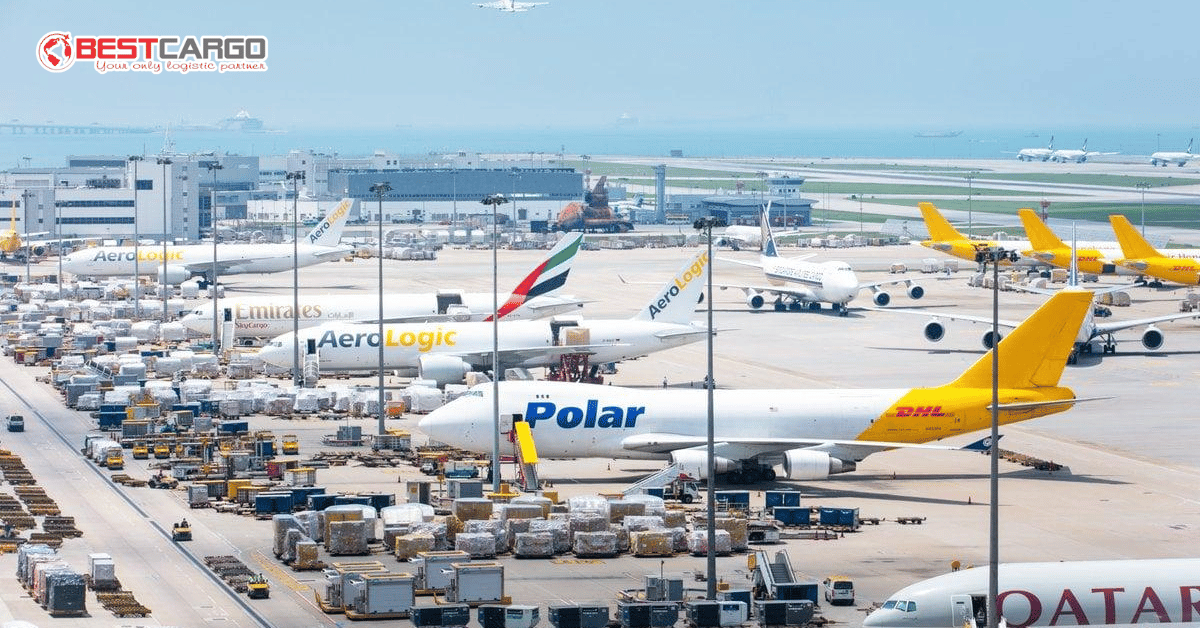
Air Cargo Storage Charges refer to fees imposed by airport cargo terminals, ground handling agents, or designated warehouse operators for storing shipments beyond the permitted free storage period.
These charges may apply to both import and export cargo, depending on the airport’s handling procedures and local tariff regulations.
Storage charges are generally calculated based on factors such as:
- Cargo gross weight.
- Storage duration.
- Shipment volume or chargeable units.
- Cargo type and handling requirements.
- Applicable warehouse tariff.
It is important to distinguish airport storage charges from freight forwarder warehouse fees and airline charges. Each may have different billing rules and free-time conditions.
Why Do Air Cargo Storage Charges Occur?

Several operational and documentation issues can cause shipments to remain in airport warehouses longer than expected.
1. Delayed Customs Clearance
Customs clearance delays are among the most common reasons for import cargo storage charges.
Shipments may be held due to incomplete documentation, incorrect declarations, inspection requirements, or discrepancies between shipment details and customs records.
When cargo cannot be released within the free storage period, additional warehouse fees may apply.
2. Missing or Incomplete Documents
Air cargo shipments require accurate documentation to support customs clearance and cargo release.
Common documentation issues include:
- Missing commercial invoices.
- Incorrect packing lists.
- Incomplete customs declarations.
- Missing permits or certificates.
- Inconsistent MAWB or HAWB information.
These problems can delay cargo release and increase storage costs.
3. Delayed Cargo Pickup
Even after customs clearance, cargo may remain at the airport warehouse because the consignee or appointed trucker cannot arrange immediate collection.
Possible reasons include transportation shortages, delivery scheduling conflicts, or internal warehouse coordination issues.
4. Flight Delays and Cargo Roll-over
Export shipments may remain at airport warehouses when flights are delayed, cancelled, or rescheduled.
Cargo roll-over can also occur when shipments exceed available aircraft capacity or require additional operational arrangements.
Depending on the airport’s tariff and the applicable free storage conditions, prolonged warehouse occupancy may result in additional charges.
5. Special Cargo Handling Requirements
Certain shipments require additional handling or storage arrangements.
Examples include temperature-controlled cargo, dangerous goods, oversized shipments, and valuable cargo.
These shipments may be subject to specific storage conditions and different fee structures.
How Are Air Cargo Storage Charges Calculated?
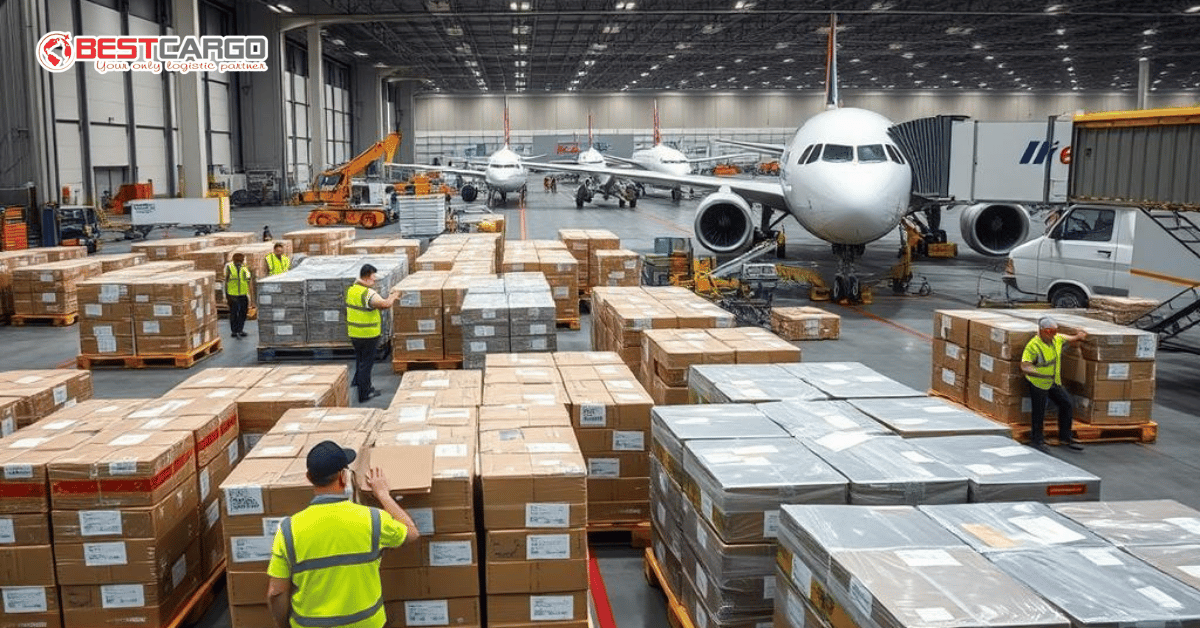
Air Cargo Storage Charges vary by airport, cargo terminal, shipment type, and local tariff.
A common calculation structure involves the chargeable storage weight, applicable rate, and number of chargeable storage days.
Illustrative Formula:
Storage Charges = Chargeable Weight × Storage Rate × Chargeable Days
For example:
| Item | Example |
|---|---|
| Chargeable Weight | 500 kg |
| Storage Rate | USD 0.10/kg/day |
| Chargeable Days | 3 days |
| Total Storage Charges | USD 150 |
This example is for illustration only. Actual airport tariffs may use minimum charges, progressive rates, storage slabs, or different calculation units.
Understanding Free Storage Periods
Many airport cargo terminals provide a free storage period before charges begin.
However, free time is not standardized across all airports or shipment categories.
The applicable free storage period may depend on:
- Import or export cargo status.
- Airport and cargo terminal regulations.
- Airline or ground handling arrangements.
- Cargo category.
- Arrival or acceptance time.
- Applicable tariff conditions.
Shippers and consignees should confirm the exact free storage period before shipment arrival or cargo acceptance.
How to Prevent Air Cargo Storage Charges
Businesses can reduce unnecessary storage costs through better planning and coordination.
1. Prepare Customs Documents in Advance
Ensure all required documents are complete and accurate before cargo arrival.
Pre-arrival customs preparation can help reduce clearance delays and improve cargo release efficiency.
2. Monitor Shipment Arrival Information
Track flight schedules and cargo arrival notifications closely.
Knowing the expected arrival time allows importers and logistics providers to prepare customs clearance and pickup arrangements in advance.
3. Arrange Cargo Pickup Early
Coordinate transportation before cargo becomes available for collection.
Confirm truck availability, delivery schedules, warehouse operating hours, and cargo release requirements.
4. Confirm Airport Storage Tariffs
Ask the airline, freight forwarder, or handling agent about applicable free storage periods and warehouse charges.
Understanding the tariff structure helps businesses estimate potential costs and avoid unexpected expenses.
5. Maintain Effective Communication
Clear communication between shippers, consignees, freight forwarders, customs brokers, and truckers helps prevent operational delays.
Assigning responsibilities for customs clearance and cargo pickup can improve coordination throughout the shipment process.
Air Cargo Storage Charges vs. Demurrage and Detention
These logistics terms are sometimes confused, but they generally refer to different types of charges.
| Charge | Typical Meaning |
|---|---|
| Air Cargo Storage Charges | Fees for cargo remaining in airport or cargo terminal warehouses beyond free storage time. |
| Demurrage | Charges commonly associated with prolonged container or equipment use beyond permitted free time, depending on the transport contract. |
| Detention | Charges for keeping shipping equipment outside the terminal beyond the permitted free period. |
The exact meaning and billing conditions depend on the transport mode, service provider, and contractual terms.
Frequently Asked Questions
1. What are Air Cargo Storage Charges?
They are fees charged for storing air freight shipments at airport cargo warehouses beyond the applicable free storage period.
2. Who pays air cargo storage charges?
Depending on the contractual arrangement, charges may be payable by the consignee, shipper, or another responsible party.
3. How can I calculate airport cargo storage fees?
Storage fees are calculated according to the airport or warehouse tariff, which may consider shipment weight, storage duration, minimum charges, and cargo category.
4. How long is the free storage period for air cargo?
Free storage periods vary by airport, cargo terminal, airline arrangement, and shipment category. Always confirm the applicable conditions before shipping.
5. Can air cargo storage charges be avoided?
Storage charges can often be reduced through advance customs preparation, shipment tracking, timely cargo pickup, and effective coordination with logistics providers.
Conclusion
Air Cargo Storage Charges are an important consideration in international air freight cost management. Although these fees may arise from customs delays, documentation issues, or operational constraints, many unnecessary charges can be prevented through careful planning.
By understanding airport storage tariffs, preparing documents in advance, and arranging timely cargo collection, businesses can improve shipment efficiency and control logistics expenses.
Read more:
Southeast Asia Emerges as Asia’s New Logistics Hub
Gửi bột thạch sương sáo từ Hà Nội sang Mỹ
