



Air Freight Claims Process: How to Handle Lost or Damaged Cargo
Air freight is one of the fastest ways to transport goods internationally. However, cargo may sometimes be lost, damaged, delayed, or delivered with missing items. In these situations, businesses need to follow an Air Freight Claims Process to report the incident and seek compensation from the responsible party.
Understanding this process helps shippers protect their interests, prepare the right documents, and reduce financial losses.
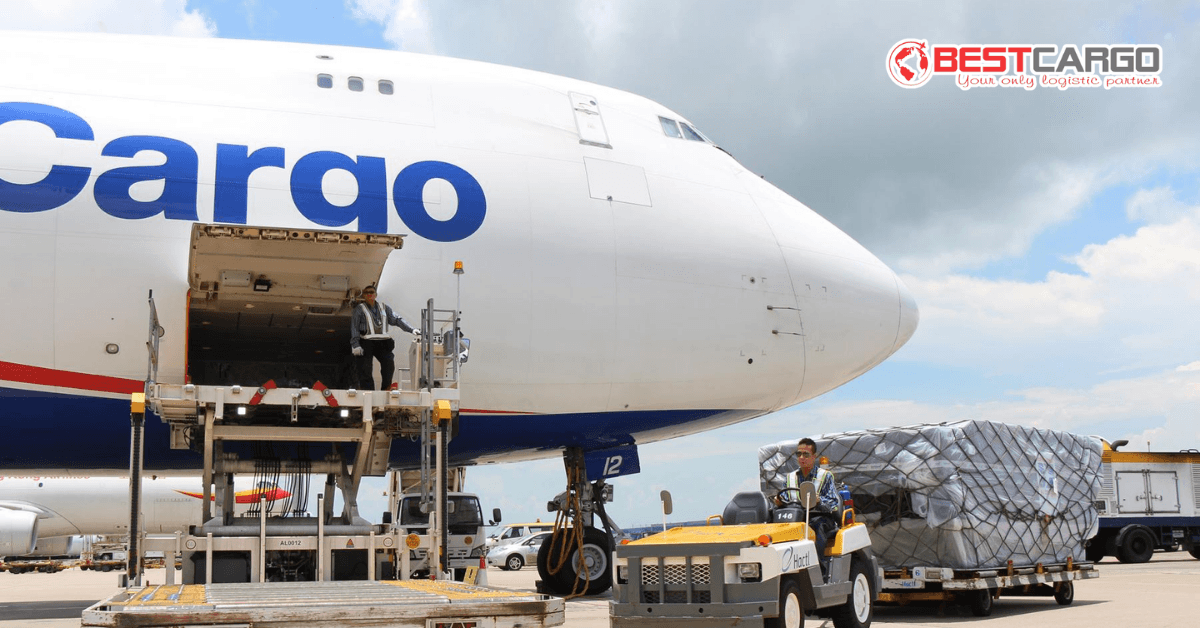
What Is the Air Freight Claims Process?
The Air Freight Claims Process refers to the procedures used to report and resolve problems involving air cargo transportation.
A claim may arise when goods are:
- Lost during transportation.
- Damaged during loading, unloading, or handling.
- Delivered with missing packages or incorrect quantities.
- Delayed beyond the agreed delivery schedule, where a claim is available under the applicable contract or law.
Claims are generally submitted to the airline, freight forwarder, or another responsible party, depending on the transportation arrangement and where the incident occurred.
Common Reasons for Air Freight Claims
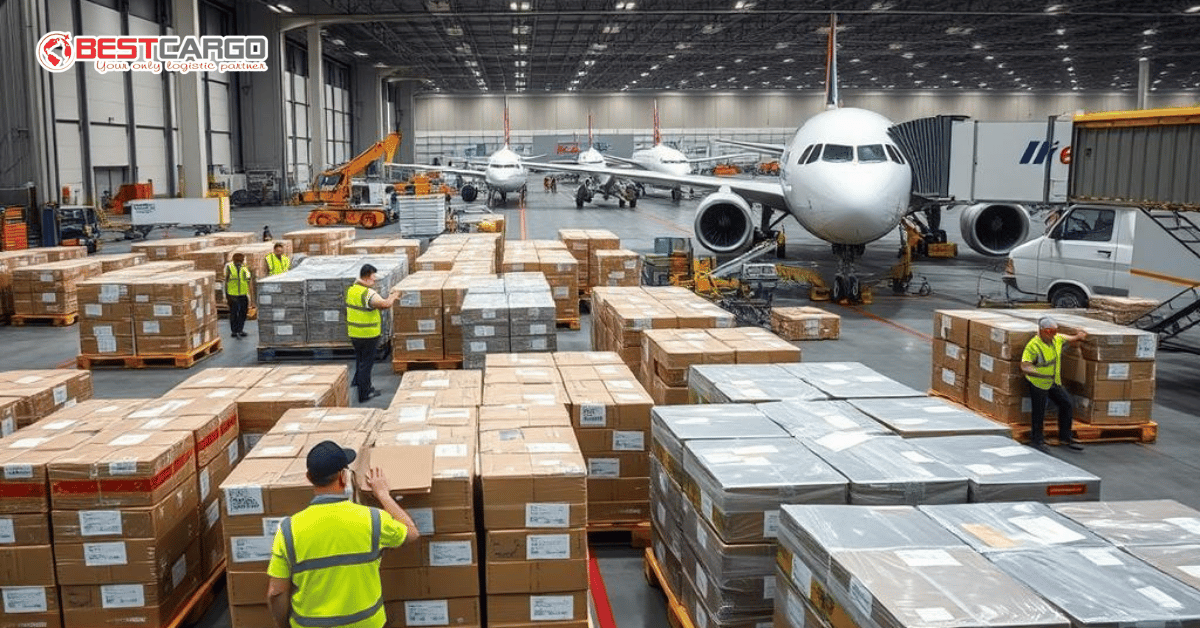
Several operational issues can lead to cargo claims.
1. Cargo Damage
Goods may be damaged due to improper handling, inadequate packaging, or movement during transportation. Fragile products and sensitive equipment are particularly vulnerable.
2. Cargo Loss
Cargo may become missing during airport handling, transit, or delivery. Incorrect labeling and documentation can also make shipments difficult to identify.
3. Short Shipment
A short shipment occurs when the delivered quantity is lower than the quantity recorded in the shipping documents. This may result from handling errors or discrepancies during cargo transfer.
4. Delivery Delays
Unexpected flight disruptions, customs inspections, or operational problems can affect delivery schedules. Depending on the circumstances and applicable liability rules, delays may give rise to claims.
Step-by-Step Air Freight Claims Process
A structured claims process helps businesses handle incidents efficiently and maintain supporting evidence.
Step 1: Identify and Report the Problem
The consignee should inspect the shipment immediately upon receipt. If any damage, loss, or shortage is identified, the issue should be reported to the freight forwarder or airline as soon as possible.
The report should include the shipment reference, affected packages, and a clear description of the problem.
Step 2: Collect Supporting Evidence
Evidence is essential when submitting a cargo claim. Businesses should prepare:
- Air Waybill (AWB).
- Commercial invoice and packing list.
- Delivery receipt or Proof of Delivery (POD).
- Photos of damaged goods and packaging.
- Cargo inspection or survey report, if available.
- Records of communication with the carrier or freight forwarder.
These documents help establish the condition, value, and movement of the shipment.
Step 3: Submit a Formal Claim
The claimant should send a written claim to the appropriate carrier or contractual party.
The claim should clearly state the incident, the affected cargo, the estimated loss, and the compensation requested. Supporting documents should be attached whenever available.
Step 4: Investigation and Claim Assessment
After receiving the claim, the responsible party reviews the shipment records and investigates the incident.
The investigation may involve checking handling records, warehouse reports, delivery documents, and inspection findings.
The carrier may also request additional information before making a decision.
Step 5: Claim Resolution and Compensation
Once the investigation is completed, the claim may be accepted, partially accepted, or rejected.
If approved, compensation is determined according to the applicable contract, liability rules, and supporting evidence. The amount may not necessarily equal the full commercial value of the goods.
Important Documents for an Air Freight Claim
| Document | Purpose |
|---|---|
| Air Waybill (AWB) | Identifies the shipment and transportation details |
| Commercial Invoice | Shows the declared value of the goods |
| Packing List | Provides package and quantity information |
| Proof of Delivery | Records the delivery condition and receipt |
| Damage Photos | Demonstrates visible cargo damage |
| Survey Report | Provides an assessment of the loss or damage |
| Claim Letter | Formally explains the incident and requested compensation |
How to Reduce Air Freight Claims
Preventive measures can help businesses minimize cargo incidents and avoid unnecessary disputes.
- Use proper packaging: Select packaging materials suitable for the cargo type and handling conditions.
- Apply clear labels: Ensure shipping labels and handling instructions are visible.
- Inspect cargo before dispatch: Check packaging, quantity, and cargo condition before handover.
- Maintain accurate documents: Ensure the AWB, invoice, and packing list contain consistent information.
- Choose reliable logistics partners: Work with experienced carriers and freight forwarders.
- Keep shipment records: Retain photographs, receipts, and tracking information for future reference.
Important Considerations: Claim Deadlines and Liability

Air freight claims are subject to specific notification periods and liability rules. These may depend on the applicable international convention, national law, and transportation contract.
For international carriage governed by the Montreal Convention, different notification deadlines apply to cargo damage, delay, and non-delivery. For example, written complaints for cargo damage generally need to be made within 14 days after receipt. Delay complaints generally have a 21-day period.
The right to compensation may also be subject to liability limits and other legal conditions. Therefore, businesses should review the applicable Air Waybill terms and seek professional advice when necessary.
Frequently Asked Questions (FAQs)
1. What is an Air Freight Claim?
An Air Freight Claim is a formal request for compensation or resolution when cargo is lost, damaged, delayed, or delivered with missing items.
2. Who should submit an air freight claim?
The shipper or consignee may submit a claim, depending on their legal rights and the applicable transportation contract.
3. What documents are required for an air cargo claim?
Common documents include the Air Waybill, commercial invoice, packing list, delivery receipt, damage photographs, and a formal claim letter.
4. How long does an air freight claim take?
The processing time varies depending on the complexity of the incident, the investigation, and the supporting documents.
5. Can businesses receive full compensation for damaged cargo?
Not necessarily. Compensation depends on applicable liability rules, contractual terms, declared value arrangements, and evidence of the loss.
Conclusion
The Air Freight Claims Process is an important part of international cargo transportation. It provides a structured way to report shipment problems, investigate incidents, and seek compensation.
By preparing accurate documents, reporting issues promptly, and working with reliable logistics partners, businesses can manage cargo claims more effectively and reduce potential losses.
Read more:
Southeast Asia Emerges as Asia’s New Logistics Hub
Gửi bột thạch sương sáo từ Hà Nội sang Mỹ
