


Boeing’s Latest Cargo Aircraft Technologies: Shaping the Future of Air Freight
Boeing’s Latest Cargo Aircraft Technologies are driving the next generation of global air freight. As international trade and e-commerce continue to grow, airlines need more efficient, reliable, and sustainable cargo aircraft. Boeing’s latest cargo aircraft technologies help improve fuel efficiency, increase payload capacity, and support smarter cargo operations.
From advanced freighter aircraft to digital flight systems and predictive maintenance, Boeing continues to introduce innovative solutions that strengthen global supply chains and improve air cargo performance.
Why Cargo Aircraft Technology Matters
Rising Demand for Air Freight
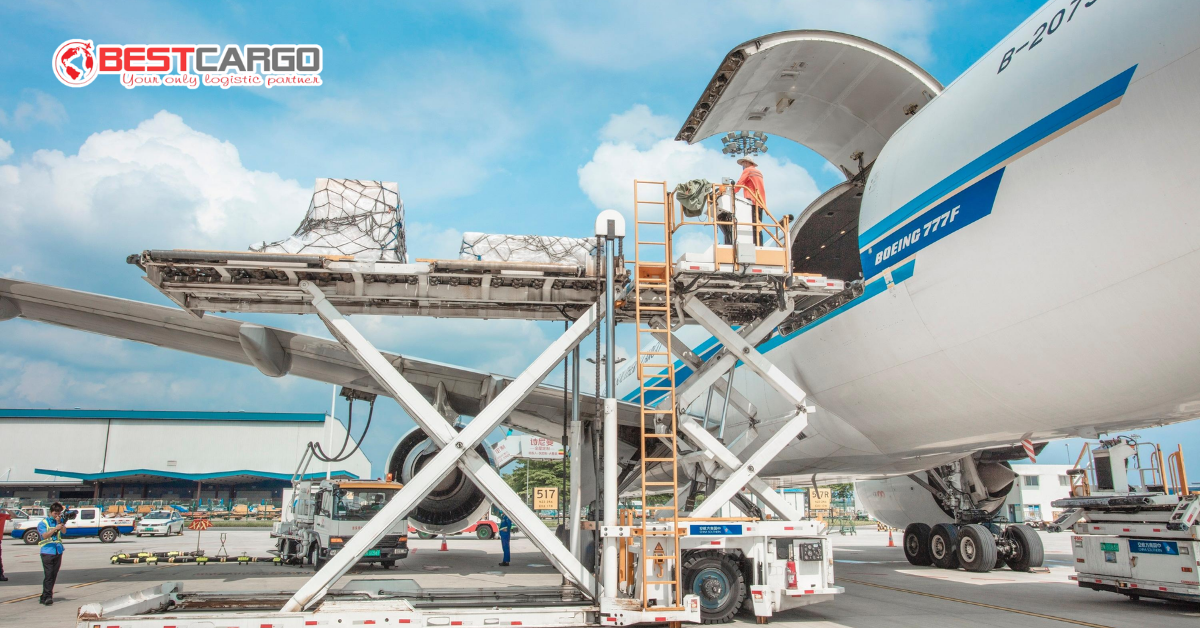
International trade continues to expand. Cross-border e-commerce, pharmaceutical shipments, and high-value goods all rely on air cargo for fast delivery.
As demand increases, airlines need aircraft that can carry more cargo while operating more efficiently.
Improving Airline Performance
Modern cargo aircraft are designed to reduce fuel consumption, improve reliability, and maximize payload capacity. These improvements help airlines remain competitive in a rapidly changing market.
Boeing’s Latest Cargo Aircraft Technologies
1. Next-Generation Freighter Aircraft
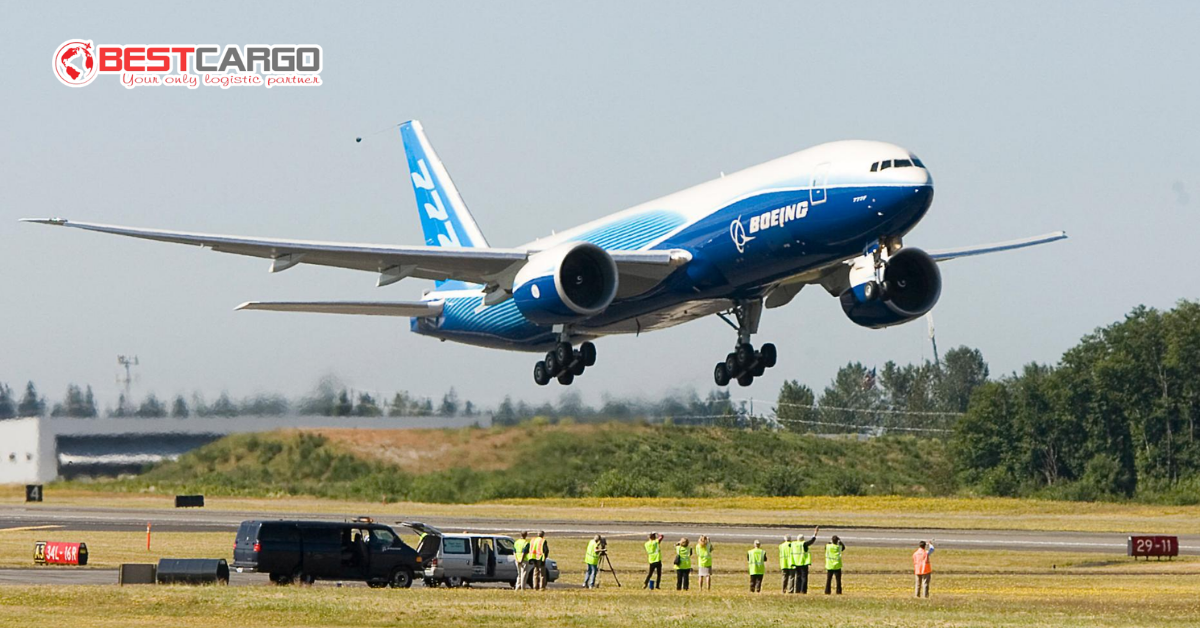
Boeing continues to develop advanced freighter aircraft for global cargo operators. Aircraft such as the 777-8 Freighter are designed to carry larger payloads while consuming less fuel than previous generations.
These aircraft also offer longer flight ranges. Airlines can operate more direct routes and reduce transit times.
2. Advanced Fuel Efficiency
Fuel remains one of the largest operating costs for airlines. Boeing is investing in lightweight materials, aerodynamic improvements, and advanced engine technologies.
These innovations help reduce fuel consumption and lower carbon emissions without sacrificing cargo capacity.
3. Digital Flight Operations
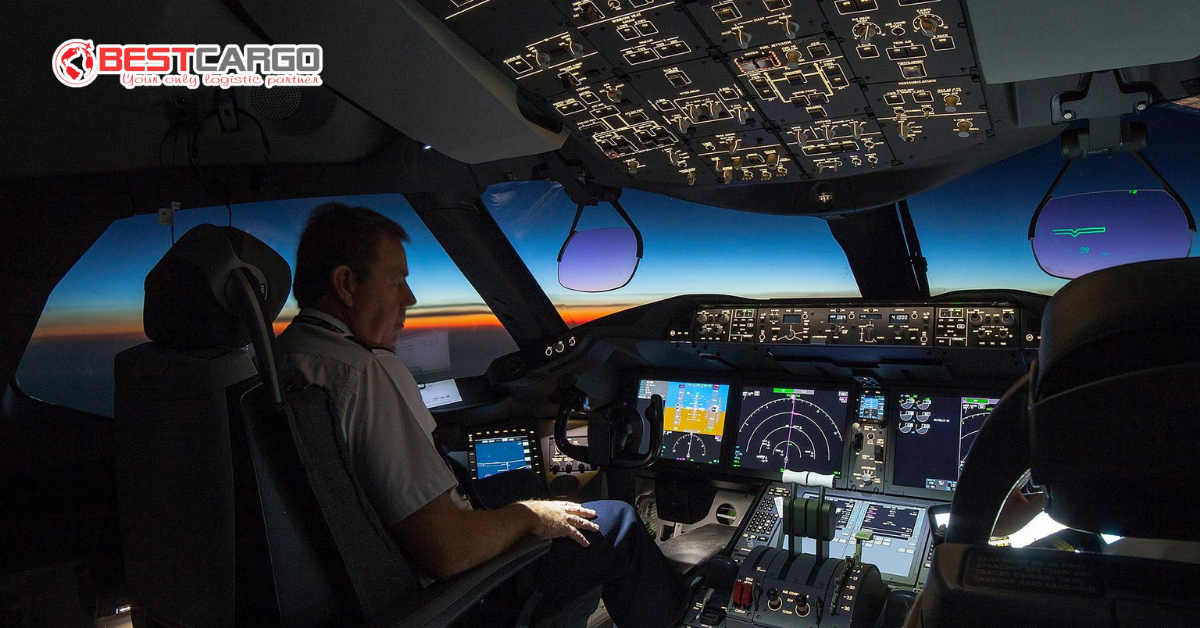
Digital technology is becoming an essential part of cargo aviation. Boeing provides intelligent flight management systems that improve route planning and operational efficiency.
Real-time data also helps airlines respond quickly to changing weather conditions and airport operations.
Smart Maintenance Solutions
1. Predictive Maintenance
Boeing uses predictive maintenance technologies to identify potential technical issues before they become serious problems.
Sensors continuously monitor aircraft performance. Maintenance teams can schedule repairs early and reduce unexpected downtime.
2. Data-Driven Decision Making
Advanced data analytics allows airlines to monitor fleet performance more effectively. Airlines can optimize maintenance schedules and improve aircraft availability.
This approach helps reduce maintenance costs while improving operational reliability.
Supporting Sustainable Air Cargo
1. Lower Carbon Emissions
Sustainability has become a major priority across the aviation industry. Boeing continues to develop technologies that support lower emissions and more environmentally friendly operations.
Many Boeing aircraft are also designed to support the use of Sustainable Aviation Fuel (SAF).
2. More Efficient Operations
Modern aircraft generate greater fuel efficiency while carrying larger cargo loads. Airlines can reduce emissions per shipment and improve environmental performance.
These improvements support long-term sustainability goals for the global aviation sector.
Benefits for the Air Cargo Industry
1. Higher Operational Efficiency
New cargo aircraft technologies allow airlines to transport more goods with lower operating costs. Better fuel efficiency and digital systems improve overall productivity.
2. Stronger Global Supply Chains
Reliable aircraft technology supports faster international trade. Businesses benefit from improved delivery times and more stable supply chains.
3. Better Customer Experience
Modern cargo operations provide better shipment visibility and more reliable delivery schedules. Customers gain greater confidence in international logistics services.
Frequently Asked Questions
1. What is Boeing’s newest cargo aircraft?
The Boeing 777-8 Freighter is one of the company’s newest cargo aircraft currently under development.
2. Why are new cargo aircraft important?
They improve fuel efficiency, increase cargo capacity, and reduce operating costs.
3. How does Boeing support sustainable aviation?
Boeing develops fuel-efficient aircraft and supports the use of Sustainable Aviation Fuel (SAF).
4. What technologies improve cargo operations?
Digital flight systems, predictive maintenance, and advanced data analytics all improve operational efficiency.
5. How do Boeing’s cargo aircraft support global logistics?
Boeing’s cargo aircraft provide higher payload capacity, longer flight ranges, and improved fuel efficiency. These advantages help airlines deliver goods faster and strengthen global supply chains.
Conclusion
Boeing continues to shape the future of air freight through innovation and advanced aircraft technologies. From fuel-efficient freighters to digital maintenance solutions, these developments help airlines improve performance while supporting sustainable growth.
As global trade continues to expand, modern cargo aircraft will play an increasingly important role in strengthening international logistics and keeping global supply chains moving efficiently.
Read more:
IATA World Cargo Symposium 2026: What’s Next for the Air Cargo Industry?
Gửi bột thạch sương sáo từ Hà Nội sang Mỹ
