



IATA World Cargo Symposium 2026: What’s Next for the Air Cargo Industry?
IATA World Cargo Symposium 2026 is expected to be one of the most influential events for the global air cargo industry. Every year, the symposium gathers airlines, freight forwarders, airport operators, logistics providers, and technology companies to discuss the future of air freight.
As international trade continues to evolve, the event provides valuable insights into digital transformation, sustainability, operational efficiency, and global supply chain resilience. These discussions will help shape the next phase of the air cargo industry.
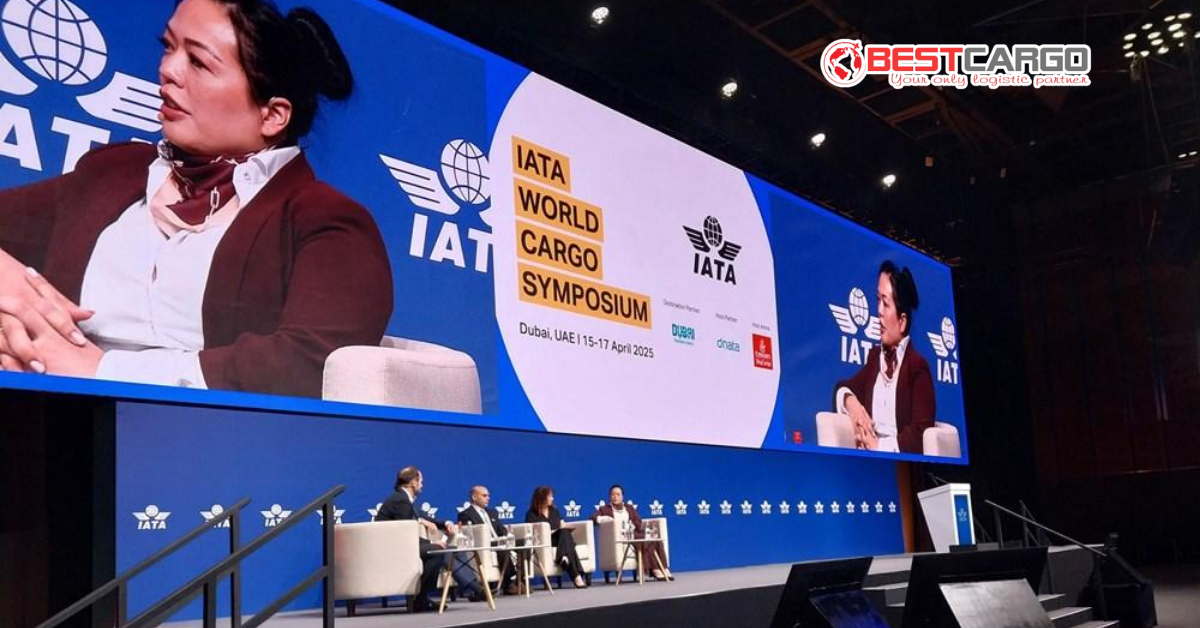
Why the IATA World Cargo Symposium Matters
A Global Platform for Air Cargo Leaders
The IATA World Cargo Symposium is recognized as the world’s largest annual air cargo conference. It offers an opportunity for industry professionals to exchange ideas, explore new technologies, and strengthen international partnerships.
Experts from across the aviation sector share practical solutions for improving cargo operations. The event also encourages collaboration between airlines, airports, logistics companies, and government agencies.
Addressing Industry Challenges
The air cargo industry continues to face several challenges. Rising transportation costs, changing trade patterns, labor shortages, and increasing customer expectations remain key concerns.
The symposium provides a platform for discussing these issues. Industry leaders can explore strategies that improve efficiency while maintaining service quality.
Digital Transformation Continues to Accelerate
Smart Cargo Operations
Digital technology remains one of the main topics at the symposium. Airlines and logistics providers are investing in smarter cargo management systems.
Electronic documentation, automated warehouses, and real-time shipment tracking help reduce processing time. These solutions also improve shipment visibility across the supply chain.
Artificial Intelligence and Data Analytics
Artificial intelligence is becoming an essential tool in air cargo operations. AI supports demand forecasting, route optimization, and cargo capacity planning.
Data analytics allows companies to make faster decisions. It also improves operational efficiency and reduces unnecessary costs.
Sustainability Becomes a Strategic Priority
Reducing Carbon Emissions
Environmental sustainability continues to receive significant attention. Many airlines are investing in Sustainable Aviation Fuel (SAF) and fuel-efficient aircraft.
The symposium highlights practical approaches to lowering carbon emissions while maintaining reliable cargo services.
Building Greener Supply Chains
Sustainability is no longer limited to aircraft operations. Logistics companies are also improving warehouse efficiency, reducing packaging waste, and adopting environmentally friendly technologies.
These initiatives support global efforts to build greener supply chains.
Strengthening Global Supply Chain Resilience
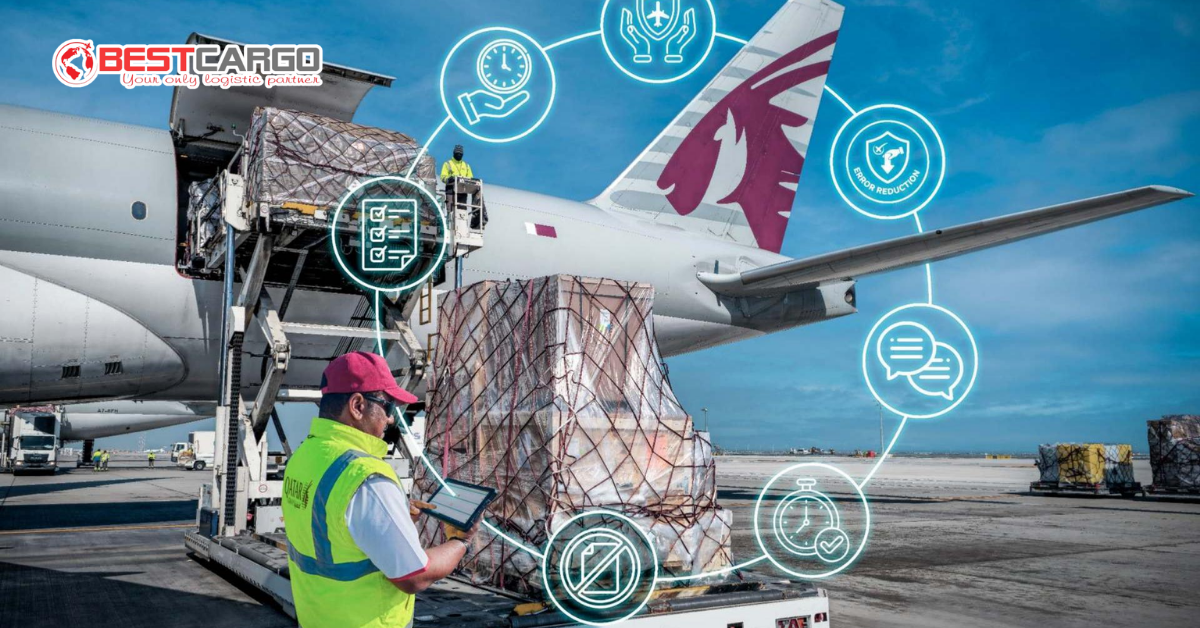
Preparing for Future Disruptions
Recent global events have demonstrated the importance of resilient supply chains. Businesses now place greater emphasis on flexibility and risk management.
The symposium explores strategies that help companies respond more effectively to unexpected disruptions.
Expanding International Collaboration
International cooperation remains essential for the future of air cargo. Strong partnerships between airlines, airports, customs authorities, and logistics providers help improve cargo movement across borders.
Better collaboration also supports faster customs clearance and more reliable transportation services.
Opportunities for the Air Cargo Industry
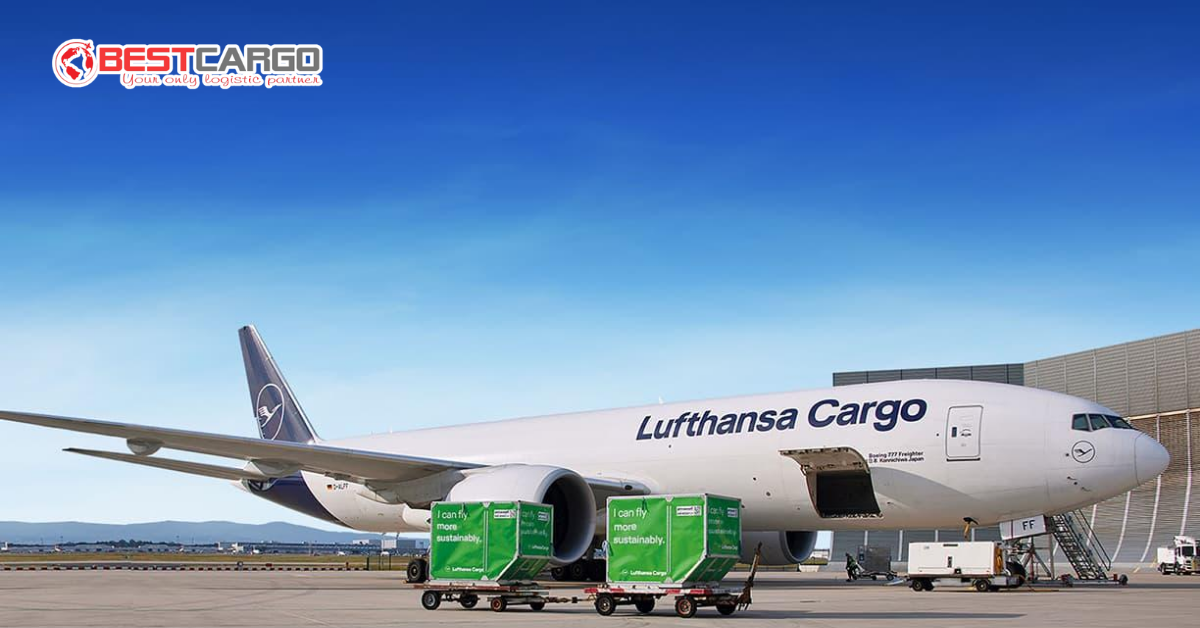
Growing Demand for High-Value Shipments
Demand for air freight continues to increase across several industries. Electronics, pharmaceuticals, medical equipment, and e-commerce products require fast and secure transportation.
This trend creates new business opportunities for airlines and logistics providers worldwide.
Technology Drives Competitive Advantage
Companies that invest in automation, AI, and digital logistics platforms are better positioned to compete in the global market.
Technology not only improves efficiency but also enhances customer experience through greater transparency and faster delivery.
Frequently Asked Questions
1. What is the IATA World Cargo Symposium?
It is the world’s leading annual conference dedicated to the air cargo industry.
2. Who attends the symposium?
Airlines, airports, freight forwarders, logistics providers, technology companies, and aviation regulators participate in the event.
3. Why is the symposium important?
It introduces new technologies, discusses industry challenges, and promotes global collaboration.
4. What are the main topics in 2026?
Digital transformation, sustainability, AI, cargo operations, and supply chain resilience are expected to be the key themes.
5. How does the symposium benefit the air cargo industry?
The event encourages innovation, strengthens international partnerships, and supports the future growth of global air freight.
Conclusion
The IATA World Cargo Symposium 2026 represents more than an annual industry conference. It serves as a global platform where aviation leaders explore the future of air cargo through innovation, collaboration, and sustainable development.
As technology continues to reshape logistics, businesses that embrace digital transformation and strengthen international partnerships will be better prepared for the next generation of global air freight.
Read more:
Dubai Airshow 2025 Highlights: The Future of Cargo Aircraft and Global Logistics
Gửi bột thạch sương sáo từ Hà Nội sang Mỹ
