



How Airport Slot Restrictions Affect Air Cargo Operations
Airport slot restrictions play an important role in global air cargo operations. At busy airports, airlines must secure approved time slots to take off or land. These restrictions help manage limited runway capacity and reduce congestion.
However, limited slot availability can affect cargo schedules, transportation costs, and delivery reliability. For freight forwarders and exporters, understanding airport slot restrictions is essential for effective air freight planning.
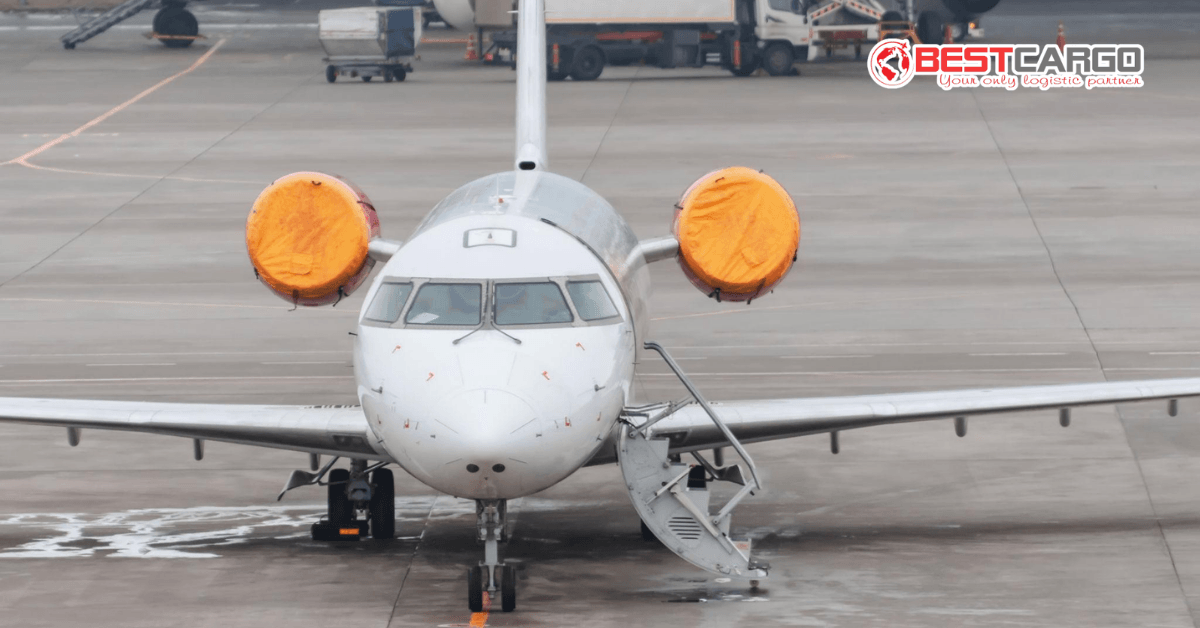
What Are Airport Slot Restrictions?
An airport slot is permission for an aircraft to arrive at or depart from an airport at a specific time.
At congested airports, available slots may be limited. Airlines must coordinate their schedules with airport authorities or designated slot coordinators.
Slot restrictions are commonly associated with airports that face high demand or limited infrastructure capacity.
They help airports manage:
- Runway capacity.
- Aircraft movements.
- Terminal congestion.
- Ground handling resources.
- Operational safety and efficiency.
Why Do Airports Restrict Flight Slots?
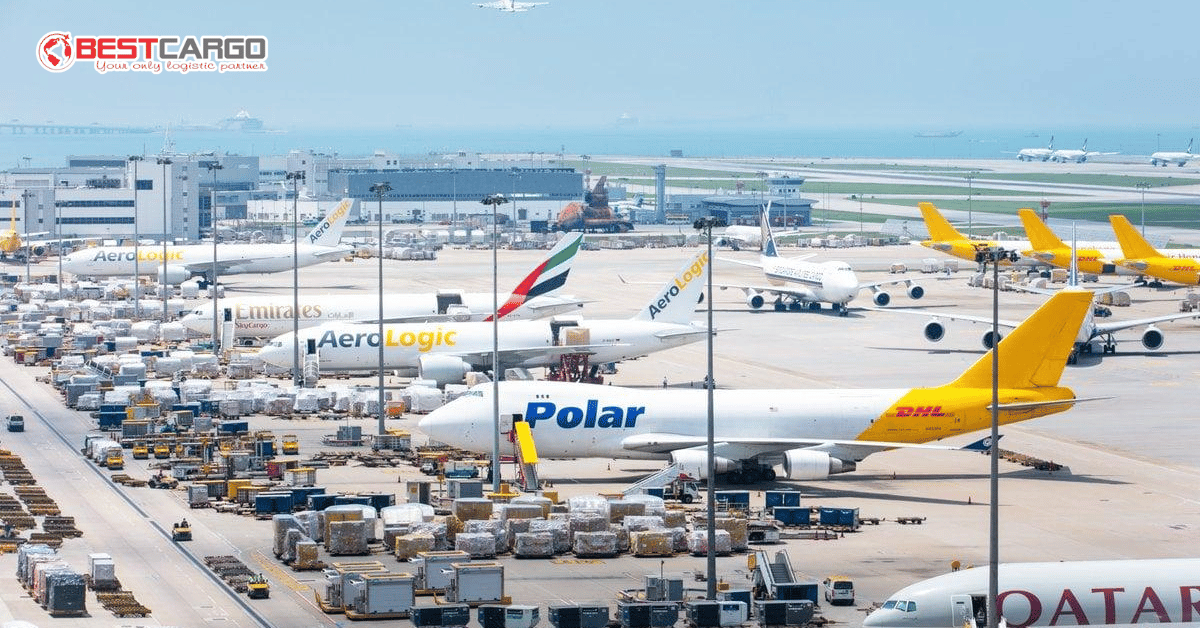
Several factors can limit the number of flights an airport can accommodate.
1. Limited Runway Capacity
Airports can handle only a certain number of aircraft movements per hour. Heavy traffic may require authorities to restrict additional flights.
2. Airport Congestion
Major cargo hubs also serve passenger flights. High passenger traffic can reduce the number of suitable time slots available for freighter operations.
3. Noise Restrictions
Some airports limit nighttime flights to reduce noise in nearby residential areas. These restrictions can affect cargo airlines that depend on overnight operations.
4. Infrastructure Limitations
Limited parking stands, taxiways, cargo terminals, and ground handling facilities can also constrain airport capacity.
How Slot Restrictions Affect Air Cargo Operations
Airport slot restrictions can influence several aspects of the air freight supply chain.
Delayed Cargo Departures
When airlines cannot secure suitable slots, they may need to adjust flight schedules. Cargo may have to wait for the next available departure.
Reduced Cargo Capacity
Limited flight availability can restrict the amount of cargo airlines transport on certain routes. This can become a challenge during peak shipping seasons.
Higher Air Freight Costs
When demand exceeds available capacity, airlines may increase rates on affected routes. Freight forwarders may also face additional handling or storage expenses.
Longer Transit Times
A shipment may require an alternative flight or an additional transit stop. These changes can increase total delivery time.
More Complex Logistics Planning
Freight forwarders must coordinate cargo acceptance, warehouse operations, customs documentation, and delivery schedules around available flights.
Which Shipments Are Most Affected?
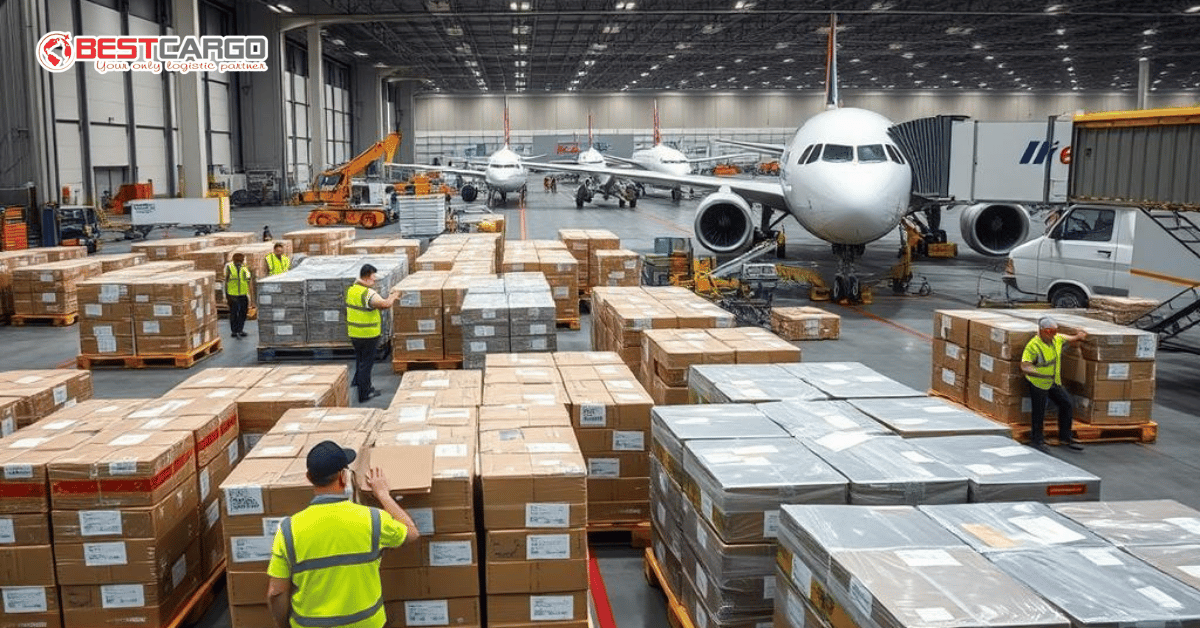
Slot restrictions can be especially challenging for shipments with strict delivery deadlines.
Common examples include:
- Time-sensitive electronics.
- Pharmaceutical products.
- Fresh seafood and perishable goods.
- Urgent industrial spare parts.
- E-commerce shipments.
- High-value commercial cargo.
Some products also require specialized storage or handling. Delays can therefore create additional operational risks.
How Can Freight Forwarders Reduce the Impact?
Businesses can take several steps to reduce the risks associated with limited airport slots.
Book Cargo Space Early
Early planning gives freight forwarders more time to secure suitable flights, especially during peak periods.
Consider Alternative Airports
Nearby airports may offer better slot availability. However, businesses should compare the additional trucking distance and handling costs before changing routes.
Use Flexible Routing
Connecting flights may provide alternatives when direct services are unavailable. The best option depends on transit time, cargo type, and total cost.
Monitor Flight Schedules
Regular schedule monitoring helps logistics teams identify potential disruptions and adjust shipment plans.
Coordinate With Airlines and Ground Handlers
Close coordination can improve cargo acceptance planning and reduce the risk of missed operational cut-off times.
Airport Slot Restrictions and the Future of Air Cargo
Global air cargo demand continues to depend on airport infrastructure, airline capacity, and international trade conditions.
As major airports become busier, slot management is likely to remain an important operational issue.
Airlines and airports can improve efficiency through better scheduling systems, digital coordination, and investment in cargo infrastructure.
For freight forwarders, shipment visibility and flexible routing will remain important tools for managing capacity constraints.
Frequently Asked Questions
1. What is an airport slot?
An airport slot is permission for an aircraft to arrive at or depart from an airport at a designated time.
2. Do airport slot restrictions affect cargo flights?
Yes. Limited slot availability can affect flight schedules, cargo capacity, and transit times.
3. Can slot restrictions increase air freight costs?
They can contribute to higher costs when capacity becomes limited and demand remains strong.
4. How can exporters reduce the risk of delays?
Exporters should plan shipments early, prepare documents in advance, and work with experienced freight forwarders.
5. Can alternative airports help?
Yes. Alternative airports may provide more suitable schedules, but additional transport and handling costs should be considered.
Conclusion
Airport slot restrictions are an important factor in air cargo planning. Limited runway capacity, airport congestion, and nighttime operating rules can affect flight availability and shipment schedules.
By booking early, monitoring flight changes, and considering alternative routes, freight forwarders can reduce disruption risks and improve delivery reliability.
For exporters, understanding airport slot restrictions helps support better logistics decisions and more efficient international shipping.
Read more:
Southeast Asia Emerges as Asia’s New Logistics Hub
Gửi bột thạch sương sáo từ Hà Nội sang Mỹ
