



Seafood Air Freight: Temperature Control and Delivery Challenges
Seafood air freight plays an important role in the global seafood supply chain. Fresh fish, shrimp, lobster, and other seafood products require careful temperature control during transportation. Even a short delay or improper handling can affect product quality and shelf life.
For exporters and importers, understanding the challenges of seafood air freight helps reduce spoilage, control shipping costs, and ensure timely delivery.

Why Is Temperature Control Important in Seafood Air Freight?
Seafood is highly perishable. Its quality can deteriorate quickly when exposed to unsuitable temperatures. Proper temperature management helps preserve freshness and reduce the risk of bacterial growth.
Different seafood products may require different temperature conditions. Fresh chilled seafood is commonly transported near 0°C, while frozen seafood generally requires temperatures of -18°C or lower. Exact requirements depend on the product and applicable food safety regulations.
Maintaining the correct temperature throughout the journey is essential. This includes storage, airport handling, aircraft transportation, and delivery to the final destination.
Key Challenges in Seafood Air Freight
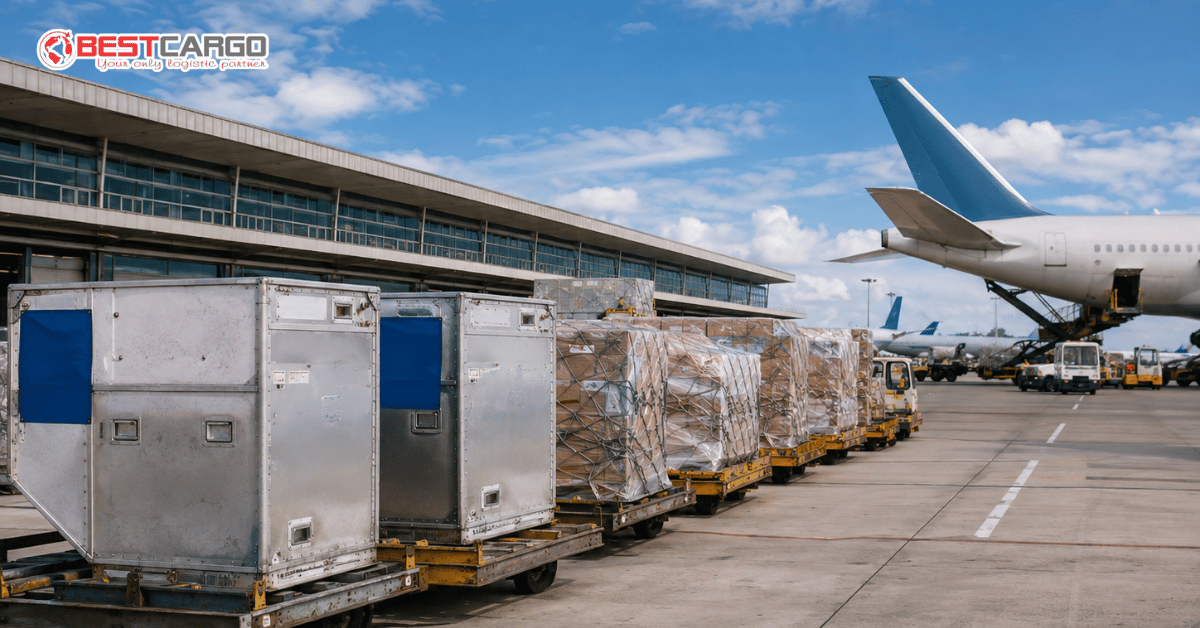
1. Temperature Fluctuations
Temperature changes can occur during loading, unloading, storage, or customs inspections. Seafood may deteriorate if it remains outside the required temperature range for too long.
Exporters should use suitable insulated packaging and cooling materials. Temperature monitoring devices can also help identify potential problems during transit.
2. Shipping Delays
Flight cancellations, missed connections, and customs inspections can extend transit times. These delays are particularly risky for fresh seafood with a limited shelf life.
Working with experienced freight forwarders can help exporters choose suitable routes and plan alternative arrangements when disruptions occur.
3. Packaging and Leakage Risks
Seafood packaging must protect products from contamination, leakage, and physical damage. Poor packaging can affect other cargo and may lead to shipment rejection.
Exporters should use leak-resistant containers, suitable insulation, and appropriate refrigerants. Packaging must also comply with airline requirements and applicable transport regulations.
4. Customs Clearance and Documentation
International seafood shipments require accurate documentation. Depending on the product and destination, exporters may need commercial invoices, packing lists, health certificates, catch certificates, or import permits.
Missing or incorrect documents can delay customs clearance. Businesses should confirm the destination country’s requirements before shipping.
5. High Transportation Costs
Air freight is generally more expensive than sea freight. Seafood shipments may also require specialized packaging, cold storage, and faster handling.
Businesses should compare transit times, service options, and total logistics costs before choosing a shipping method.
Best Practices for Shipping Seafood by Air
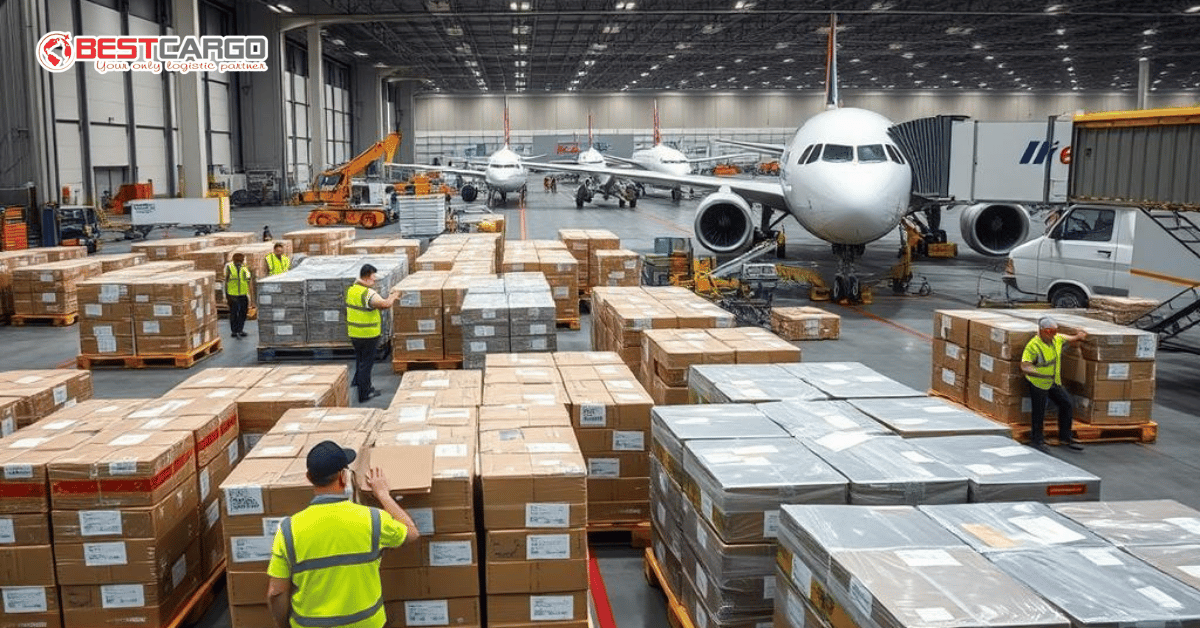
Exporters can improve seafood air freight operations by following these practices:
- Maintain the cold chain: Keep seafood within the required temperature range at every stage.
- Choose suitable packaging: Use insulated containers and appropriate cooling materials.
- Select reliable routes: Minimize transit time and avoid unnecessary transfers.
- Prepare documents early: Confirm health, customs, and import requirements before dispatch.
- Monitor shipment conditions: Use temperature indicators or data loggers when appropriate.
- Coordinate with logistics partners: Confirm handling procedures, flight schedules, and delivery arrangements in advance.
These measures help reduce spoilage risks and improve delivery reliability.
How to Choose the Right Air Freight Service for Seafood
Not every air freight service is suitable for perishable cargo. Businesses should evaluate the provider’s experience with seafood shipments and temperature-sensitive goods.
Important factors include cold-storage availability, airport handling capabilities, transit time, destination coverage, and shipment tracking.
Exporters should also confirm whether the airline accepts the specific seafood product and packaging. Clear communication helps prevent unexpected delays and additional charges.
Frequently Asked Questions
1. What temperature is required for seafood air freight?
Fresh chilled seafood is commonly kept near 0°C, while frozen seafood generally requires -18°C or lower. Requirements vary by product and applicable regulations.
2. Can fresh seafood be shipped internationally by air?
Yes. Air freight is suitable for fresh seafood when packaging, temperature control, documentation, and import requirements are properly managed.
3. What documents are needed for seafood exports?
Common documents include a commercial invoice and packing list. Health certificates, import permits, and other documents may also be required, depending on the destination.
4. How can exporters prevent seafood spoilage during transit?
They should maintain the cold chain, use suitable packaging, select efficient routes, and coordinate closely with logistics providers.
5. Is air freight better than sea freight for seafood?
Air freight is generally faster and suitable for high-value or highly perishable seafood. Sea freight may be more economical for frozen products and larger shipments.
Conclusion
Seafood air freight requires careful planning, reliable handling, and consistent temperature control. Delays, packaging failures, and documentation errors can increase costs and threaten product quality.
By choosing an experienced logistics provider and maintaining the cold chain, exporters can improve shipment reliability and protect seafood quality throughout international transportation.
Read more:
Southeast Asia Emerges as Asia’s New Logistics Hub
Gửi bột thạch sương sáo từ Hà Nội sang Mỹ
