



MRO Expansion Opens New Opportunities for Air Cargo
The global aviation industry is expanding its Maintenance, Repair, and Overhaul (MRO) capacity as airlines face aircraft delivery delays, spare-parts shortages, and growing maintenance demand.
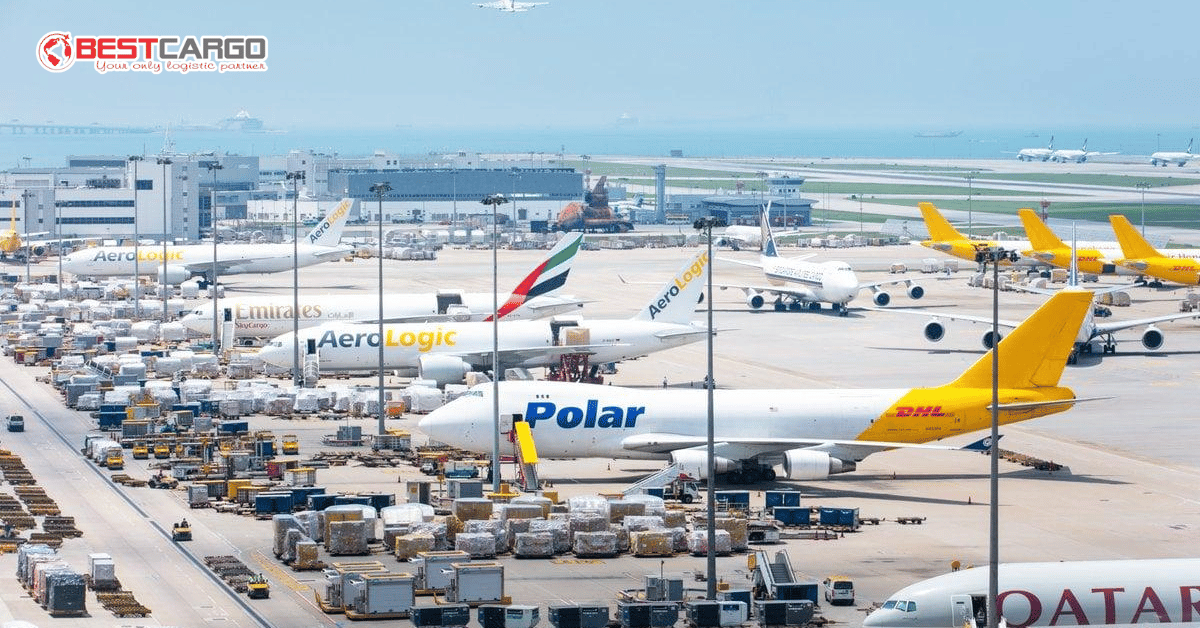
This development is also creating new opportunities for Air Cargo and aviation logistics. Aircraft parts, engines, technical equipment, and maintenance materials often need to move quickly between suppliers, MRO facilities, and airlines.
MRO Investment Is Accelerating
A major recent development came from AAR, which announced plans to acquire a 65% controlling stake in MRO Holdings for approximately $1.8 billion.
MRO Holdings operates maintenance facilities in the United States, Mexico, El Salvador, and Colombia. The transaction is expected to strengthen AAR’s global heavy-maintenance capabilities and expand its MRO network.
The deal comes as airlines continue to deal with supply-chain disruptions and delayed aircraft deliveries.
According to Reuters, the combined business would service nearly 3,000 aircraft annually, subject to regulatory approval and completion of the transaction.
Why Is MRO Becoming More Important?
Aircraft maintenance demand is increasing for several reasons.
Airlines are operating older aircraft while waiting for new aircraft deliveries. At the same time, engine durability issues and shortages of spare parts are creating additional pressure on maintenance networks.
IATA has highlighted these problems as major challenges for the aviation supply chain.
The organization reported that supply-chain failures cost airlines at least $11 billion in 2025, including higher maintenance costs, engine leasing costs, inventory expenses, and lost fuel-efficiency benefits.
Engine Maintenance Creates New Logistics Demand

Engines are among the most important components in the MRO supply chain.
IATA’s research shows that maintenance demand for newer single-aisle aircraft engines is expected to increase significantly.
Annual shop visits for CFM LEAP engines are forecast to rise from around 600–800 in 2025 to more than 5,000 by 2040.
For Pratt & Whitney GTF engines, annual shop visits are expected to increase from around 1,000 to more than 2,000 during the same period.
This growth will require more spare parts, repair services, specialized transportation, and maintenance capacity.
How Does MRO Expansion Benefit Air Cargo?
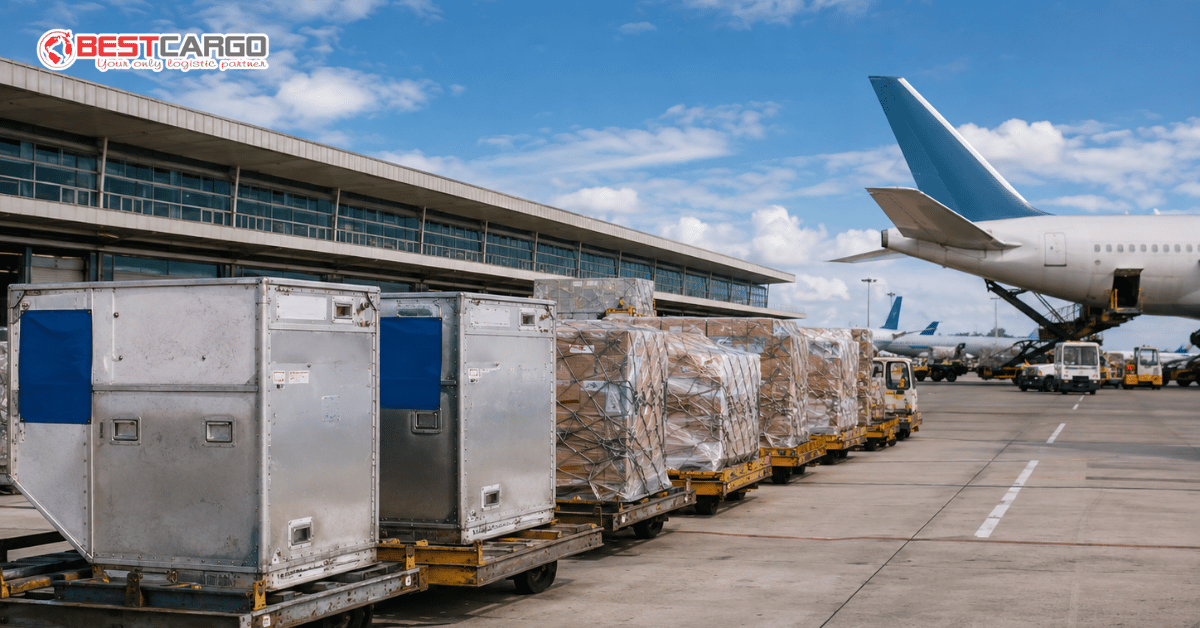
MRO operations depend on reliable access to aircraft parts and technical materials.
Some components may need to be transported urgently because an aircraft is grounded while waiting for a specific part.
Air freight can support:
- Aircraft spare-parts transportation.
- Urgent AOG shipments.
- Engine components.
- Avionics equipment.
- Landing gear components.
- Maintenance tools.
- Technical materials.
- Time-critical replacement parts.
For these shipments, speed is often more important than transportation cost.
AOG Shipments Create Strong Demand for Air Freight
Aircraft-on-ground, or AOG, situations require immediate action.
When an aircraft cannot operate because a critical component is unavailable, airlines may need to source and transport the required part as quickly as possible.
This creates demand for specialized logistics services that operate outside normal shipping schedules.
Air cargo providers may support AOG logistics through:
- 24/7 shipment coordination.
- Express air freight.
- Dedicated cargo services.
- Customs clearance assistance.
- Real-time tracking.
- Door-to-door delivery.
Fast transportation can help reduce aircraft downtime and minimize operational disruption.
Technology Is Changing MRO Logistics
MRO logistics is also becoming more digital.
IATA has highlighted data visibility, digitalization, and artificial intelligence as important priorities for strengthening the aviation supply chain.
The IATA MRO SmartHub, for example, provides information and analytics related to parts availability, usage patterns, and shortages.
Better data can help airlines identify available serviceable parts more efficiently and improve inventory planning.
This could make future MRO logistics faster and more predictable.
What Does This Mean for Aviation Logistics?
The expansion of MRO facilities could reshape aviation logistics networks.
As maintenance capacity grows, more aircraft parts may need to move between:
Suppliers → Warehouses → MRO Facilities → Airlines → Airports
This creates opportunities for freight forwarders and specialized aviation logistics providers.
Companies that can handle time-critical, high-value, and technically sensitive cargo may see increasing demand from the aviation sector.
Frequently Asked Questions
1. What is MRO?
MRO stands for Maintenance, Repair, and Overhaul. It refers to services used to maintain, repair, and restore aircraft and their components.
2. Why does MRO create demand for Air Cargo?
Aircraft parts and maintenance materials often need to be transported quickly, especially when an aircraft is grounded.
3. What is an AOG shipment?
AOG means Aircraft on Ground. It describes situations where an aircraft cannot operate because of a technical or maintenance issue.
4. What types of cargo are transported for MRO?
Common examples include spare parts, engine components, avionics, maintenance equipment, and other technical materials.
5. Why is speed important in MRO logistics?
Delays in receiving critical components can extend aircraft downtime. Air freight provides a fast transportation option for time-sensitive MRO shipments.
Conclusion
MRO expansion is creating new opportunities for Air Cargo and aviation logistics as airlines face growing maintenance requirements and ongoing supply-chain challenges.
Recent investment, including AAR’s planned $1.8 billion acquisition of MRO Holdings, highlights the industry’s focus on expanding maintenance capacity.
As aircraft fleets grow and maintenance demand increases, fast and reliable transportation of spare parts will become increasingly important. This could create new opportunities for specialized Air Cargo providers serving the global aviation industry.
Read more:
Southeast Asia Emerges as Asia’s New Logistics Hub
Gửi bột thạch sương sáo từ Hà Nội sang Mỹ
