



What Is an Air Cargo Delivery Order (D/O)?
An Air Cargo Delivery Order (D/O) is an important document used in the cargo release process after an air shipment arrives at its destination airport. It authorizes the cargo terminal, warehouse, or carrier to release the shipment to the consignee or an authorized party.
For importers and logistics companies, understanding the Air Cargo Delivery Order process can help reduce delays, avoid additional storage charges, and ensure smooth cargo collection.
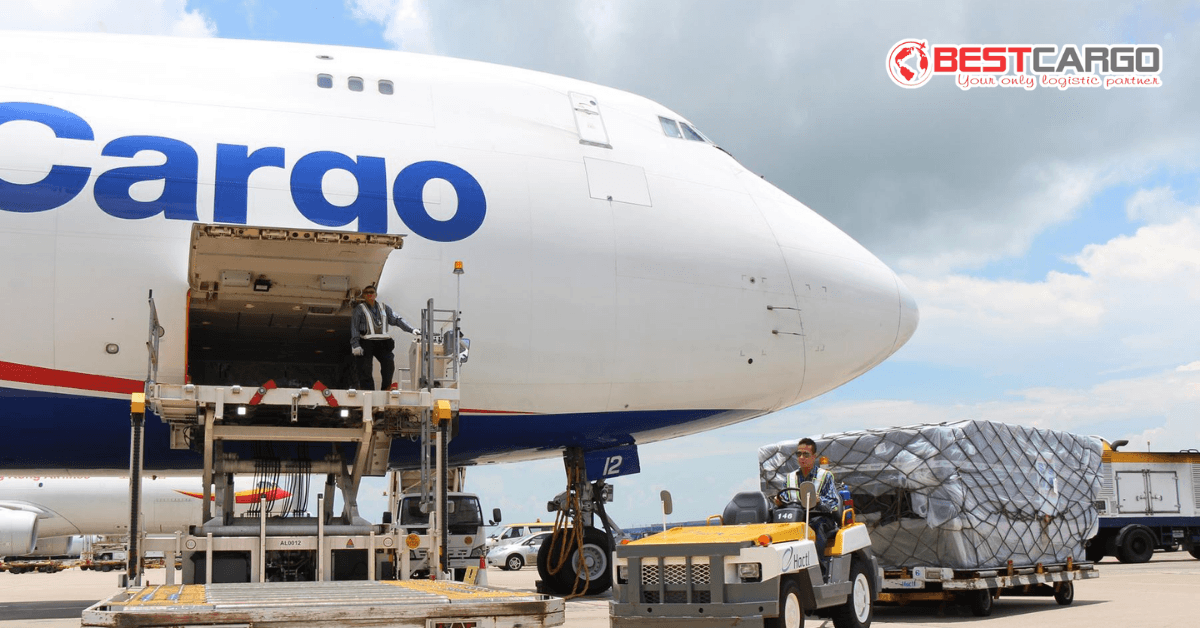
What Is an Air Cargo Delivery Order?
An Air Cargo Delivery Order, commonly called a D/O, is a document issued by the airline, freight forwarder, or authorized cargo agent.
It confirms that the consignee has completed the necessary requirements to collect the shipment.
The D/O usually contains important information such as:
- Air Waybill (AWB) number.
- Shipper information.
- Consignee information.
- Flight details.
- Cargo description.
- Number of packages.
- Cargo weight.
- Destination airport.
- Release instructions.
Once the required procedures are completed, the D/O allows the relevant cargo facility to proceed with cargo release.
Why Is an Air Cargo Delivery Order Important?
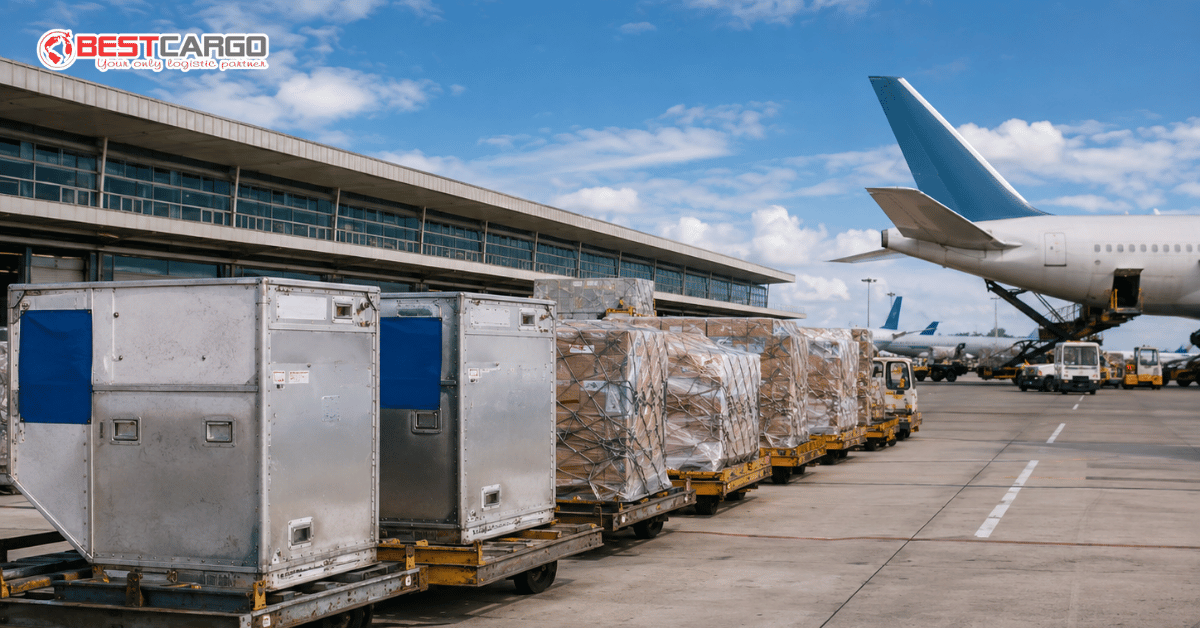
The D/O plays an important role in the final stage of the air cargo import process.
It helps:
- Confirm the authorized cargo recipient.
- Support cargo release procedures.
- Connect the shipment with the relevant AWB.
- Reduce the risk of unauthorized cargo collection.
- Coordinate between airlines, forwarders, warehouses, and consignees.
Without the necessary release authorization, the consignee may not be able to collect the shipment from the cargo terminal.
How Does the D/O Process Work?
The process may vary depending on the airline, airport, destination country, and type of shipment.
A typical process includes:
1. Cargo Arrives at the Destination Airport
The airline transports the shipment to the destination airport.
The cargo is then transferred to the appropriate cargo terminal or handling facility.
2. Import Documentation Is Checked
The consignee or customs broker prepares the required import documents.
These may include the commercial invoice, packing list, customs declaration, and Air Waybill.
3. Customs Clearance Is Completed
The shipment must complete the applicable customs procedures before it can be released.
Additional inspections may be required depending on the cargo type.
4. D/O Is Issued or Release Is Authorized
After the required conditions are satisfied, the airline, freight forwarder, or cargo agent provides the D/O or release authorization.
5. Cargo Is Collected
The consignee or authorized trucking company presents the necessary documents and collects the cargo from the terminal.
Who Issues the Air Cargo Delivery Order?
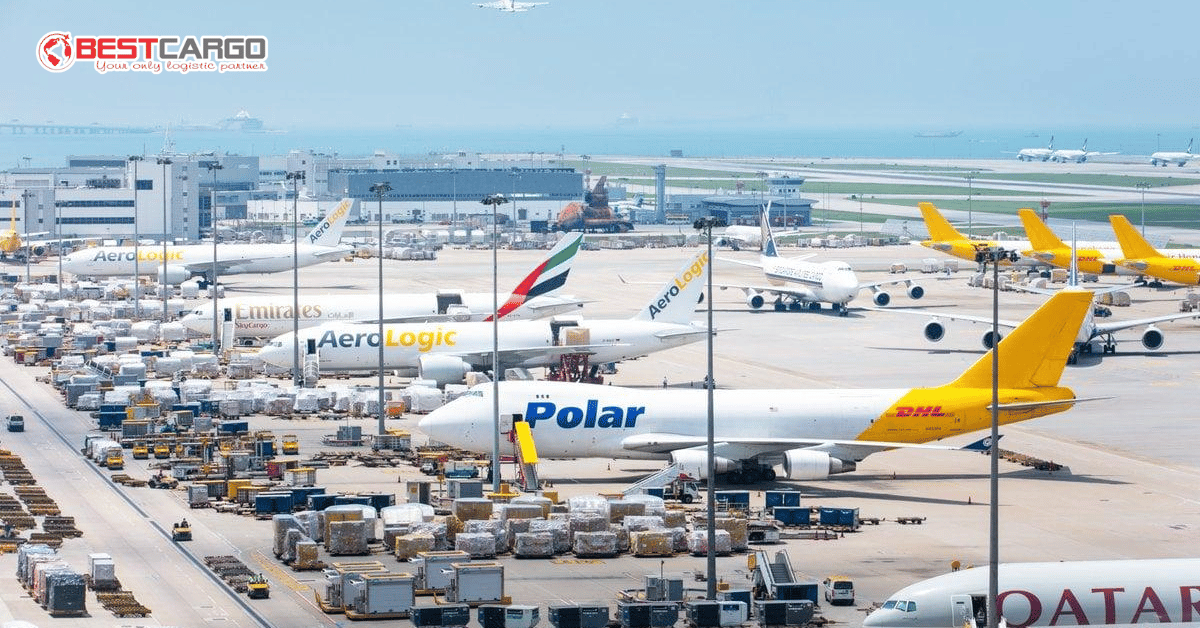
The party responsible for issuing the D/O depends on the shipment structure.
Common parties include:
- Airlines.
- Freight forwarders.
- Cargo agents.
- Ground handling companies.
- Authorized logistics providers.
For a direct shipment, the airline may handle the release process.
For a consolidated shipment, the freight forwarder may issue the relevant release document to the individual consignee after receiving the necessary authorization.
What Documents Are Usually Required?
The exact requirements vary by country and cargo terminal.
However, importers may commonly need:
- Air Waybill.
- Commercial Invoice.
- Packing List.
- Customs declaration.
- Import permits, if applicable.
- Identification or authorization documents.
- Proof of payment for applicable charges.
The consignee should confirm the exact requirements with the airline, freight forwarder, or destination cargo terminal before collection.
D/O and Air Waybill: What Is the Difference?
The Air Waybill (AWB) and Delivery Order (D/O) serve different purposes.
| Air Waybill (AWB) | Delivery Order (D/O) |
|---|---|
| Transportation document | Cargo release document |
| Issued for the air shipment | Used to authorize cargo collection |
| Contains shipment and routing information | Confirms release instructions |
| Used throughout the transportation process | Mainly used during the cargo release stage |
The AWB identifies and supports the transportation of the shipment, while the D/O is associated with the process of releasing the cargo to the authorized recipient.
Common Reasons for D/O Delays
Several issues can delay the cargo release process.
Common problems include:
- Incomplete import documents.
- Incorrect consignee information.
- Customs clearance delays.
- Outstanding charges.
- Missing import permits.
- Differences between shipping documents.
- Cargo inspection requirements.
To avoid delays, importers should prepare documentation before the shipment arrives.
How to Avoid Cargo Release Delays
Businesses can improve the cargo release process by following several best practices:
- Check the AWB information carefully.
- Prepare import documents in advance.
- Work with an experienced customs broker.
- Confirm applicable terminal charges.
- Monitor flight arrival information.
- Contact the airline or freight forwarder before cargo collection.
- Arrange transportation in advance.
Early preparation can also help reduce airport storage costs.
Frequently Asked Questions
1. What is an Air Cargo Delivery Order?
An Air Cargo Delivery Order is a document or release authorization used to allow an authorized consignee or representative to collect an air cargo shipment.
2. Who issues the D/O?
Depending on the shipment, the D/O may be issued by the airline, freight forwarder, cargo agent, or another authorized logistics provider.
3. Is a D/O the same as an Air Waybill?
No. The AWB is primarily a transportation document, while the D/O is related to the cargo release process.
4. Can cargo be collected without a D/O?
The exact procedure depends on the airline, airport, and destination country. Some facilities may use electronic release systems instead of a traditional paper D/O.
5. How can businesses avoid D/O delays?
Preparing accurate import documents, completing customs clearance, paying applicable charges, and confirming release requirements in advance can help prevent delays.
Conclusion
An Air Cargo Delivery Order (D/O) is an important part of the cargo release process at the destination airport. It helps identify the authorized recipient and supports the final collection of imported goods.
By preparing documents in advance, monitoring shipment status, and working with an experienced logistics provider, businesses can reduce cargo release delays, minimize storage costs, and improve the overall efficiency of their air freight operations.
Read more:
Southeast Asia Emerges as Asia’s New Logistics Hub
Gửi bột thạch sương sáo từ Hà Nội sang Mỹ
