



Cargo Damage: What Happens When Air Cargo Is Damaged?
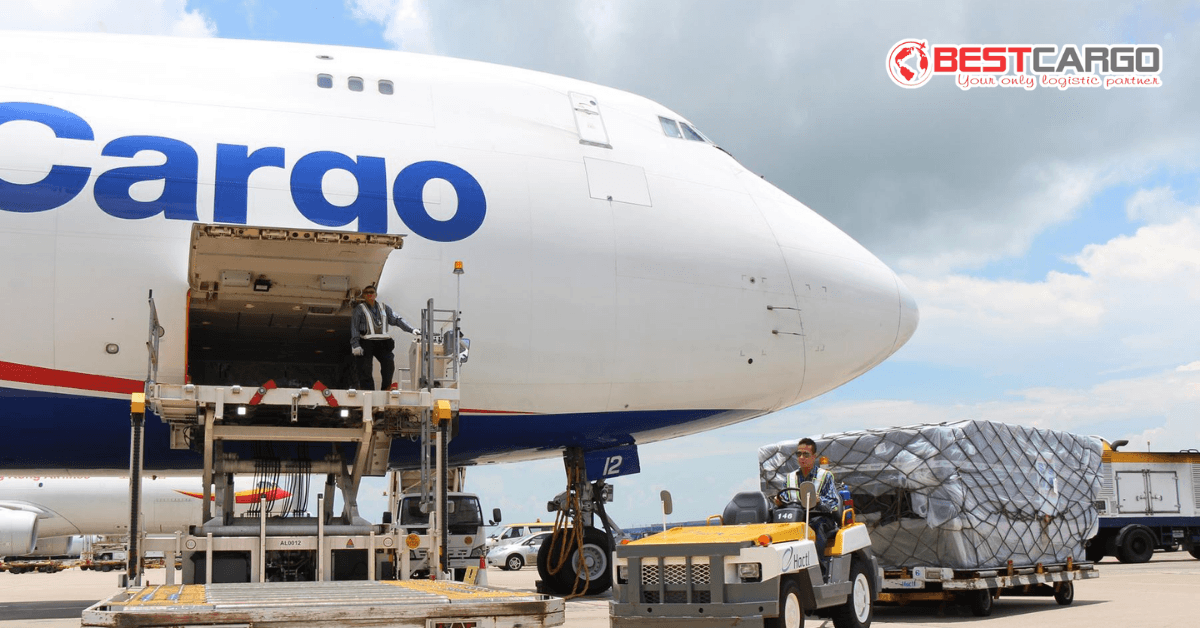
Cargo damage can occur at different stages of air transportation. Shipments may be affected during packing, loading, handling, flight operations, unloading, or delivery.
When cargo arrives damaged, the shipper or consignee should document the condition immediately. The next steps usually involve inspection, reporting, evidence collection, and communication with the airline or freight forwarder.
Understanding the damage claim process can help businesses protect their cargo and recover potential losses.
What Causes Cargo Damage During Air Transport?
Air cargo passes through several handling points before reaching the final destination.
Common causes of damage include:
- Poor packaging.
- Improper cargo handling.
- Impact during loading or unloading.
- Excessive pressure or stacking.
- Movement inside the package.
- Water or moisture exposure.
- Temperature-related problems.
- Incorrect handling of fragile goods.
The risk can vary depending on the type of cargo and packaging used.
What Happens When Damaged Cargo Is Discovered?

The first step is to inspect the shipment carefully.
The consignee should check:
- Outer packaging.
- Carton condition.
- Seals and labels.
- Number of packages.
- Visible product damage.
- Signs of moisture or impact.
Photographs should be taken before the packaging is discarded.
The damage should also be reported to the responsible carrier or logistics provider as soon as possible.
Why Is Evidence Important?
Evidence is essential when investigating cargo damage.
Useful evidence may include:
- Photos of the damaged package.
- Photos of the damaged products.
- Air Waybill.
- Commercial Invoice.
- Packing List.
- Delivery records.
- Inspection reports.
- Damage notices.
Clear evidence helps establish the condition of the cargo when it was received.
What Is a Cargo Damage Claim?
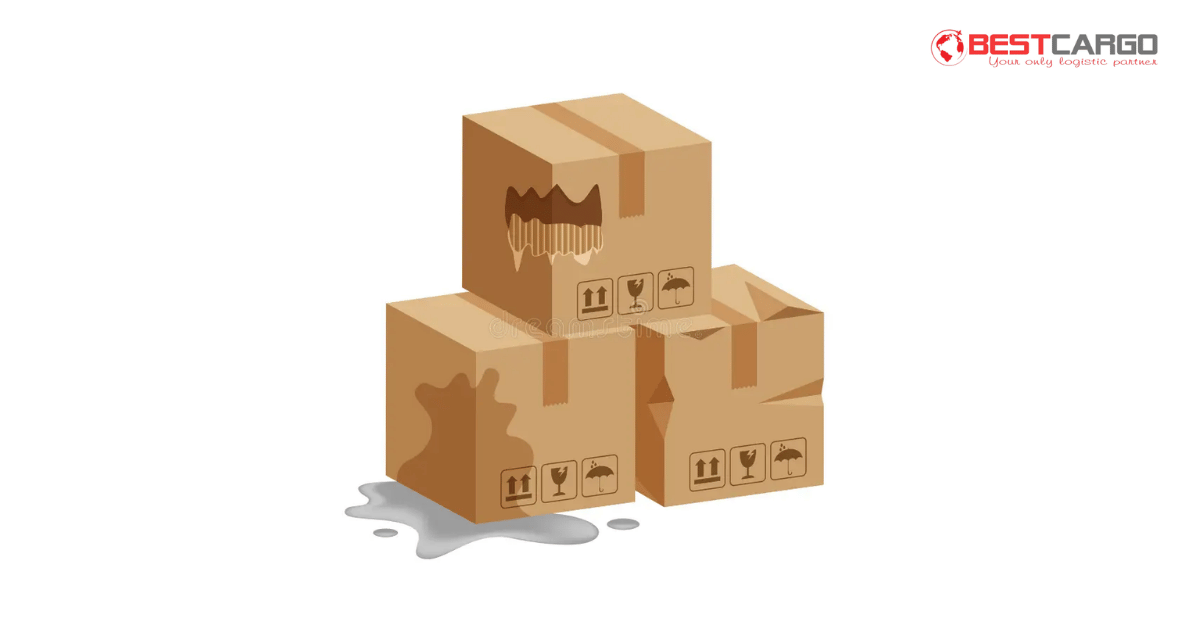
A cargo damage claim is a formal request for compensation for goods that were damaged during transportation.
The claim process may involve the shipper, consignee, freight forwarder, airline, insurer, and other responsible parties.
The exact procedure depends on the transportation contract and applicable rules.
Businesses should therefore review the terms of their shipment before submitting a claim.
Who May Be Responsible for the Damage?
Responsibility depends on where and how the damage occurred.
Possible parties include:
- Shipper.
- Freight forwarder.
- Ground handling company.
- Airline.
- Warehouse operator.
- Delivery provider.
For example, poor packaging may create a problem before the cargo reaches the airline.
Damage caused during airport handling may require a different investigation.
Does Insurance Cover Air Cargo Damage?
Cargo insurance may provide coverage for certain losses.
However, coverage depends on the policy terms and exclusions.
Before shipping high-value products, businesses should check:
- Coverage limits.
- Covered risks.
- Exclusions.
- Deductibles.
- Claim procedures.
- Required supporting documents.
Insurance can provide additional financial protection for international shipments.
How Can Businesses Reduce Cargo Damage?
Prevention is often more effective than dealing with damage after delivery.
Businesses should focus on proper packaging and handling.
Recommended practices include:
- Use strong export cartons.
- Select packaging suitable for the product.
- Add cushioning materials.
- Prevent movement inside packages.
- Protect fragile products.
- Use moisture-resistant packaging when necessary.
- Apply appropriate handling labels.
- Provide accurate cargo information.
Packaging should match the weight, size, fragility, and nature of the goods.
Special Considerations for Fragile Cargo
Fragile products require additional protection.
Examples include:
- Glass products.
- Ceramics.
- Electronics.
- Artwork.
- Precision equipment.
- Laboratory equipment.
These products should be secured inside the package.
Empty spaces should also be filled with suitable cushioning materials.
For high-value goods, businesses may consider stronger outer packaging and additional security measures.
What Should the Consignee Do After Delivery?
The consignee should inspect the shipment as soon as possible.
If damage is visible, the consignee should:
- Record the condition of the shipment.
- Take clear photographs.
- Keep the original packaging.
- Notify the carrier or freight forwarder.
- Prepare supporting documents.
- Follow the applicable claim procedure.
Keeping the original packaging can be important during an investigation.
How Does a Freight Forwarder Help?
A freight forwarder can assist with communication between the shipper, airline, and consignee.
Depending on the service, the forwarder may help with:
- Damage reporting.
- Document collection.
- Shipment records.
- Communication with the airline.
- Claim submission.
- Insurance coordination.
This support can simplify the process for businesses that regularly ship international cargo.
Why Should Businesses Keep Shipping Records?
Complete shipping records can make investigations easier.
Businesses should keep copies of relevant documents.
These may include:
- Air Waybill.
- Commercial Invoice.
- Packing List.
- Photos before shipment.
- Photos after delivery.
- Packaging records.
- Inspection reports.
- Insurance documents.
Good recordkeeping can help demonstrate how the shipment was prepared and received.
Frequently Asked Questions
1. What should I do if my air cargo arrives damaged?
Take photographs immediately, keep the packaging, record the damage, and notify the carrier or freight forwarder.
2. Can I claim compensation for damaged cargo?
A claim may be possible depending on the transportation terms, applicable rules, insurance coverage, and circumstances of the damage.
3. Should I keep the damaged packaging?
Yes. The original packaging can be useful when investigating the cause of damage.
4. Who should be contacted when cargo is damaged?
The consignee should normally contact the freight forwarder, airline, carrier, or other responsible logistics provider as soon as possible.
5. Does cargo insurance always cover damage?
No. Insurance coverage depends on the specific policy, covered risks, exclusions, and claim conditions.
Conclusion
Cargo damage during air transport can create financial losses and delivery problems for businesses. The most important steps are to document the damage, preserve the packaging, notify the responsible parties, and follow the applicable claim process.
Proper packaging and careful cargo handling can significantly reduce the risk of damage. For valuable or sensitive shipments, businesses should also consider appropriate cargo insurance.
By preparing shipments correctly and maintaining complete shipping records, companies can improve cargo safety and respond more effectively when unexpected damage occurs.
Read more:
Southeast Asia Emerges as Asia’s New Logistics Hub
Gửi bột thạch sương sáo từ Hà Nội sang Mỹ
