



Why Is Cargo Labeling Important in Air Freight?
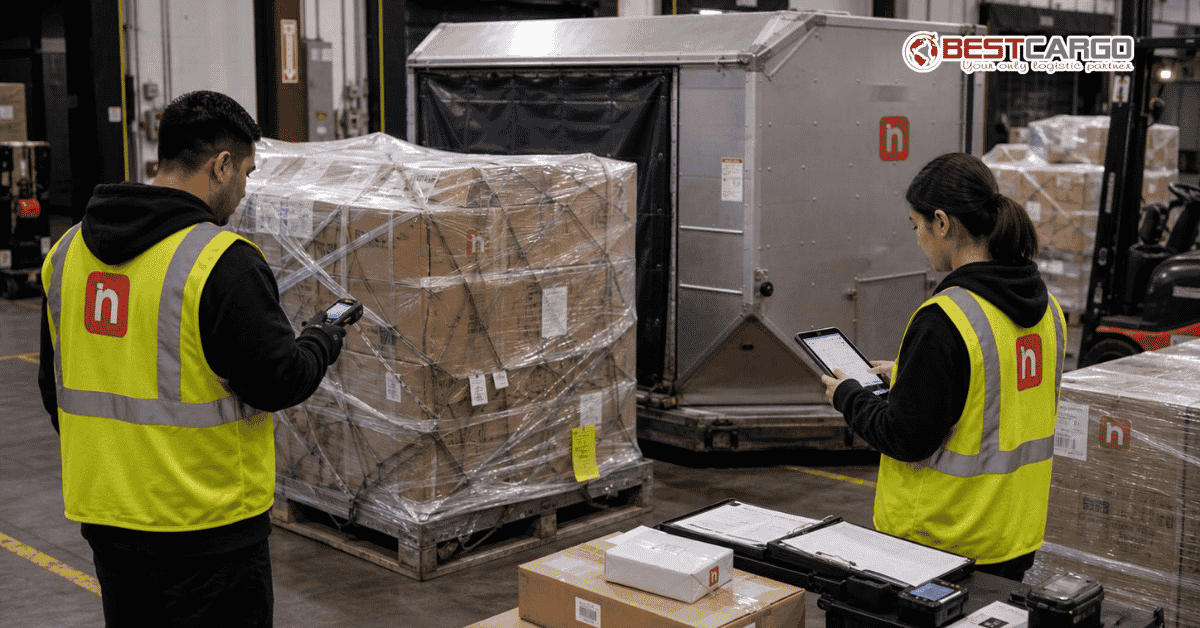
Cargo labeling is an essential part of air freight transportation. Labels provide important information about a shipment and help airlines, warehouses, customs authorities, and logistics providers handle cargo correctly.
Proper labeling can reduce handling errors and improve shipment safety. It is especially important for fragile goods, dangerous goods, temperature-sensitive products, and shipments that require special handling.
For international shipments, incorrect or missing labels may cause delays. In some cases, cargo may require additional inspection or repackaging before it can be transported.
What Is Cargo Labeling?
Cargo labeling refers to the information placed on a package or shipping carton.
Labels help identify the shipment and communicate important handling instructions.
Depending on the type of cargo, labels may include:
- Shipper information.
- Consignee information.
- Air Waybill number.
- Destination.
- Number of packages.
- Handling instructions.
- Weight information.
- Special cargo warnings.
The exact labeling requirements depend on the cargo and transportation regulations.
Why Is Cargo Labeling Important?
Helps Identify Shipments
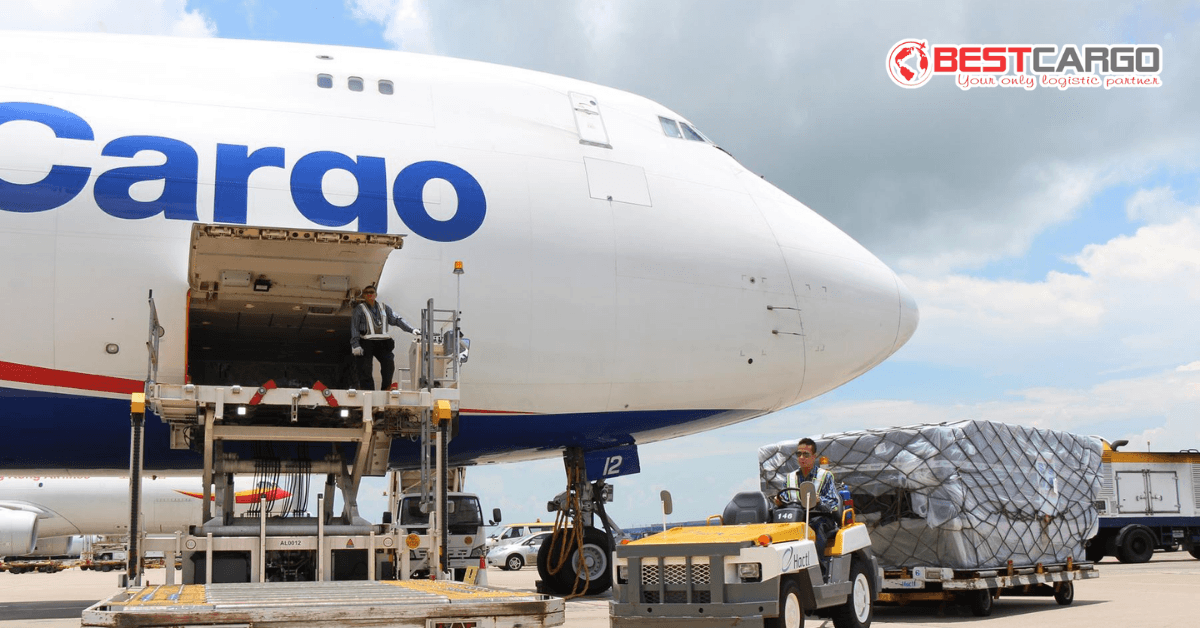
Airports and warehouses handle large numbers of packages every day.
Clear labels help staff identify the correct shipment quickly.
Important information can be matched with the Air Waybill and other shipping documents.
This reduces the risk of packages being misplaced or sent to the wrong destination.
Improves Cargo Handling
Some products require special handling during transportation.
For example, fragile products should be handled carefully. Temperature-sensitive cargo may need controlled storage.
Clear handling labels help warehouse and ground-handling teams understand these requirements.
Reduces Transportation Errors
Incorrect labeling can create confusion during cargo handling.
A package with unclear destination information may require additional verification.
Clear and accurate labels help reduce these problems.
Supports Cargo Safety
Some shipments require specific safety procedures.
Dangerous goods, for example, must follow applicable labeling and documentation requirements.
Proper labels help personnel identify shipments that require special handling.
Common Cargo Labels in Air Freight
Different shipments may require different types of labels.
Fragile Label
Fragile labels indicate that the package should be handled carefully.
They are commonly used for:
- Glass products.
- Ceramics.
- Electronics.
- Artwork.
- Laboratory equipment.
However, a fragile label should not replace proper protective packaging.
Keep Dry Label
This label indicates that the package should be protected from moisture.
It can be useful for products that may be damaged by water or humidity.
This Way Up Label
This label shows the correct orientation of the package.
It can help prevent improper positioning during handling and storage.
Temperature-Sensitive Label
Temperature-sensitive shipments may require special handling.
Examples include certain pharmaceuticals, food products, and biological materials.
Additional temperature-control procedures may apply.
Dangerous Goods Labels
Dangerous goods require specific labels and markings.
These requirements depend on the type of dangerous goods being transported.
Examples include certain chemicals, batteries, and other regulated materials.
What Information Should Be Shown on a Cargo Label?
A standard cargo label should provide enough information to identify the shipment.
Depending on the shipment, information may include:
- Sender’s name.
- Consignee’s name.
- Destination.
- Air Waybill number.
- Package number.
- Gross weight.
- Handling instructions.
The information should match the shipping documents.
For international shipments, labels may also need to follow the requirements of the destination country.
What Happens If Cargo Is Incorrectly Labeled?
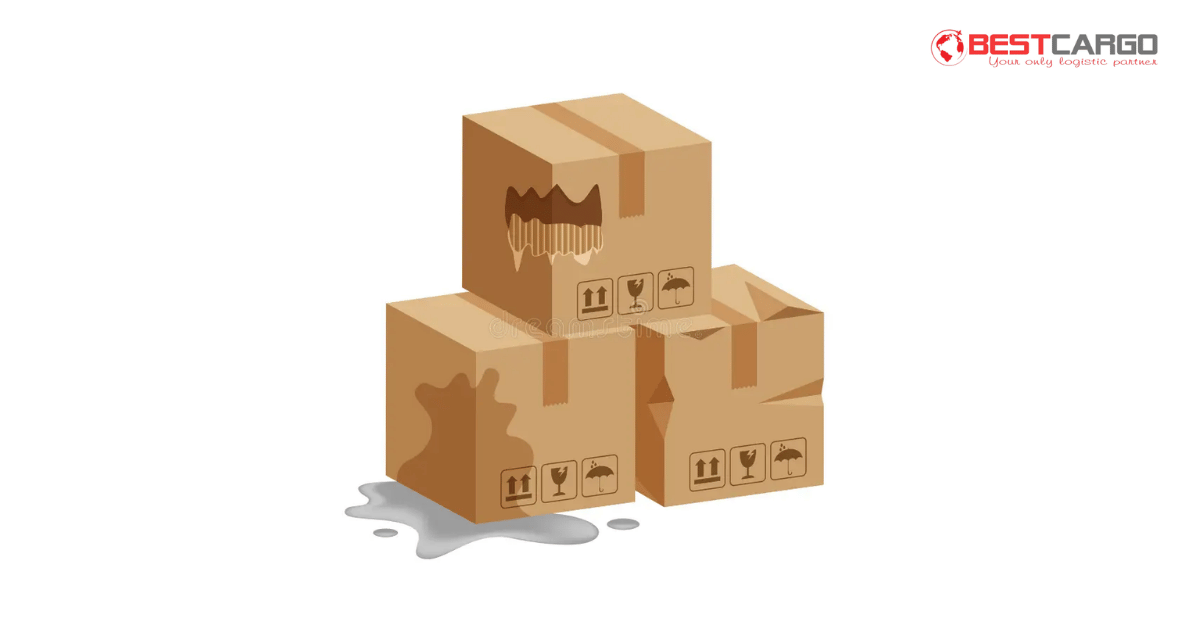
Incorrect labeling can create several problems.
The shipment may need additional verification before transportation.
Possible consequences include:
- Handling delays.
- Documentation problems.
- Customs delays.
- Repackaging requirements.
- Additional handling costs.
- Shipment rejection in certain cases.
The consequences depend on the type and severity of the labeling error.
Cargo Labeling and Dangerous Goods
Dangerous goods require particular attention.
Labels and markings help identify the hazards associated with a shipment.
Airlines and logistics providers use this information to apply the appropriate handling procedures.
Businesses shipping dangerous goods should therefore follow the applicable dangerous goods regulations.
They should also provide accurate information before booking the shipment.
Cargo Labeling and Customs Clearance
Cargo labels can support the identification process during customs procedures.
Customs authorities may compare package information with documents such as the Commercial Invoice and Packing List.
If information does not match, additional verification may be required.
Accurate labeling helps maintain consistency between the physical shipment and its documentation.
How to Label Air Cargo Correctly
Businesses should establish a simple labeling procedure.
Before shipping, they should:
- Check the consignee information.
- Confirm the destination airport.
- Verify the Air Waybill number.
- Check the package count.
- Confirm the declared weight.
- Apply required handling labels.
- Make sure labels are clearly visible.
- Compare labels with shipping documents.
Labels should remain attached and readable throughout transportation.
Best Practices for Cargo Labeling
Good labeling should be combined with proper packaging.
Recommended practices include:
- Use durable labels.
- Print information clearly.
- Place labels on visible surfaces.
- Protect labels from moisture.
- Avoid covering important information.
- Remove old shipping labels when reusing cartons.
- Check labels before cargo handover.
For large shipments, consistent labeling across all packages can make handling more efficient.
Frequently Asked Questions
1. Why is cargo labeling important in air freight?
Cargo labeling helps identify shipments, communicate handling requirements, reduce errors, and support safe transportation.
2. What information should a cargo label include?
It may include the shipper, consignee, destination, Air Waybill number, package number, weight, and handling instructions.
3. Are all cargo labels the same?
No. Labeling requirements depend on the type of cargo and applicable transportation regulations.
4. Do fragile goods need special labels?
Fragile goods may require handling labels. However, suitable protective packaging is also necessary.
5. Why are dangerous goods labels important?
They help identify regulated cargo and communicate the handling requirements needed for safe transportation.
Conclusion
Cargo labeling is an important part of air freight operations. Clear and accurate labels help logistics providers identify shipments and handle them correctly.
Proper labeling also supports cargo safety and reduces the risk of transportation errors. For international shipments, labels should be consistent with the Air Waybill and other shipping documents.
By using durable labels and checking shipment information carefully before handover, businesses can reduce delays and improve the efficiency of their air freight operations.
Read more:
Southeast Asia Emerges as Asia’s New Logistics Hub
Gửi bột thạch sương sáo từ Hà Nội sang Mỹ
